

Game: F.E.A.R. Combat
Rankings: GWL Legacy Leaderboard for F.E.A.R. Combat
Steam: F.E.A.R. Combat
 F.E.A.R. Combat was the standalone multiplayer component of the 2005 shooter F.E.A.R., released free for PC players. At a time when most competitive titles required a retail purchase, F.E.A.R. Combat lowered the barrier to entry while retaining the intense, visceral gunplay that made the original game memorable.
The identity of F.E.A.R. was different from the military shooters dominating the competitive landscape. It leaned into “gun-fu” combat which were fast movement, slide kicks, close-quarters chaos, and a signature slow-motion mechanic known as Reflex Time. In certain modes, players could trigger slow motion to gain a temporary advantage, creating cinematic, split-second duels that felt almost arcade-like in intensity.
For many players, that mechanic alone made F.E.A.R. Combat stand apart. Gunfights weren’t just about aim. They were about timing. When to engage. When to slow the world down. When to push aggressively.
It included classic competitive modes like Deathmatch and Capture the Flag, but also variations such as Control, Conquer All, and Last Man Standing. Team Deathmatch formats offered structured play, while 1v1 duels emphasized raw mechanical skill.
Within our own competitive community, F.E.A.R. Combat gained traction through internal interest rather than external pressure. After a poll among our members, the game earned enough support to justify becoming its own competitive branch within our league. That decision reflected something important: this wasn’t us chasing a trend. It was our players asking for it.
- We built the structure.
- We opened the ladders.
- We made space for it.
But momentum never quite followed.
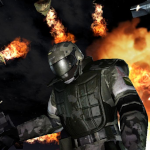 In total, we recorded 16 matches. The interest was real but limited. After setup, organization, and integration into our competitive system, the game simply didn’t expand the way other titles at our league had. There was no surge of new teams. No sustained ladder growth. It remained a niche within a niche.
Part of that may have been timing. By the late 2000s, the competitive shooter space was consolidating around specific franchises. Games like Call of Duty and others were absorbing most of the competitive oxygen. F.E.A.R. Combat, despite its strong mechanics and unique identity, struggled to break into that mainstream competitive spotlight.
Yet the players who competed here mattered. They believed in the game enough to vote for it. They believed in our structure enough to ladder within it. They showed up.
F.E.A.R. Combat also has its own unique legacy beyond our league. After official support from Monolith Productions, Sierra, and others ended, and after the GameSpy master server shut down in 2011, the community stepped in. A community-created patch allowed new CD keys and fixed server crashes, effectively keeping the game alive. That resilience mirrors the spirit of many smaller competitive scenes: when official infrastructure fades, dedicated players rebuild it.
In our league history, F.E.A.R. Combat represents an experiment driven by community demand. It didn’t explode in popularity. It didn’t anchor a competitive era for us. But it earned its place.
Sixteen matches may not define a dynasty. But they represent effort and players stepping into slow-motion firefights under structured rules. They represent a moment when our community said, “Let’s try this.”
And because of that, they deserve to be remembered.