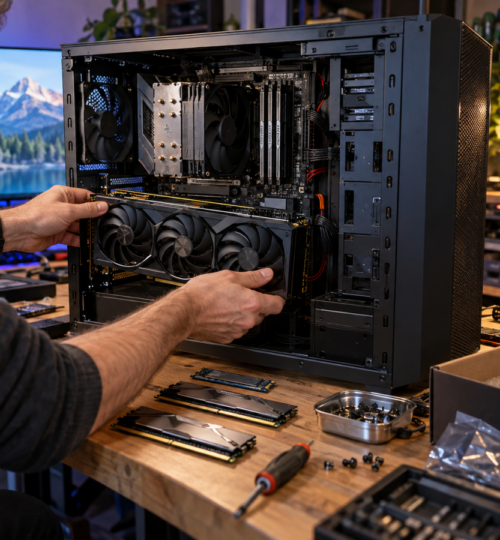
Upgrading an Aging Gaming Rig for Heavy Local AI in 2026
A gaming PC that still pushes respectable frame rates can feel surprisingly old the moment local AI enters the workload.
Personal Computer
A gaming PC that still pushes respectable frame rates can feel surprisingly old the moment local AI enters the workload.
Competitive players have spent years learning that a high average frame rate can hide an ugly match.
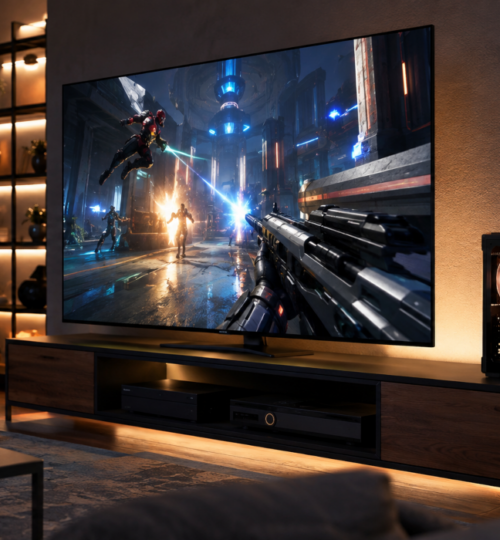
A living room gaming PC has a harder job than a desktop tower.
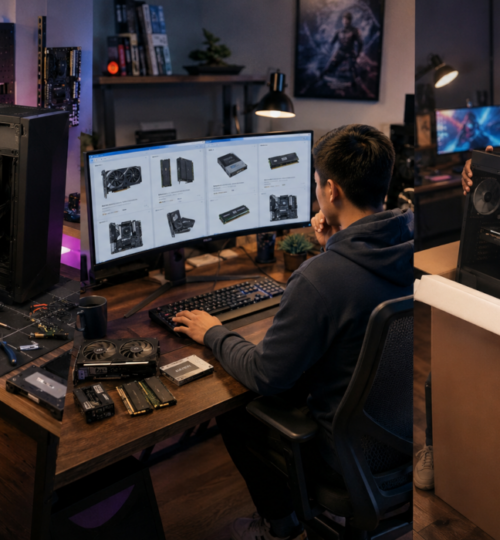
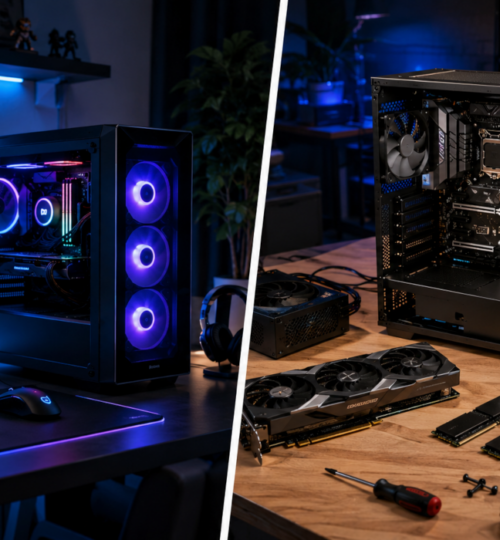
For years, PC ownership in gaming could be divided by a familiar argument: build it yourself or buy it ready-made. That debate always flattened several very different buyers into the same two camps.
High-end graphics cards are easy to rank if the only question is which one produces the most frames. The RTX 5090 wins that contest, the RTX 5080 follows, and the RTX 5070 finishes third.
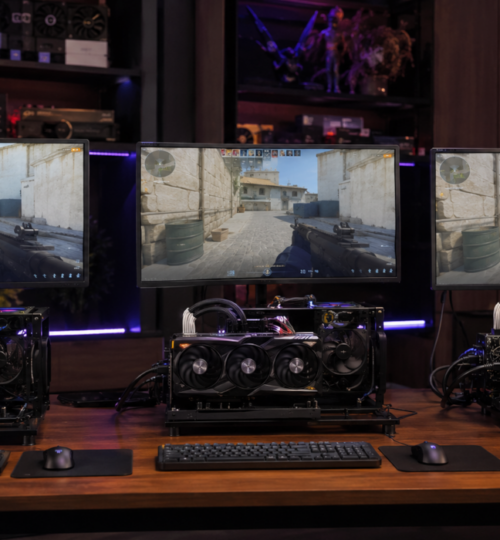
Competitive players rarely complain about average frame rate. A system can report 400 FPS in Counter-Strike 2 and still feel wrong during a smoke push, a fast rotation, or a crowded firefight.
For years, optimizing Windows for competitive gaming meant disabling startup programs, selecting a performance power plan, updating the graphics driver, and hoping the operating system stayed out of the way.
For most of PC gaming history, buying a prebuilt desktop came with an understood penalty.
Compact gaming PCs used to feel like compromise machines. They looked sharp on a desk, traveled well, and saved space, but they often came with a catch.
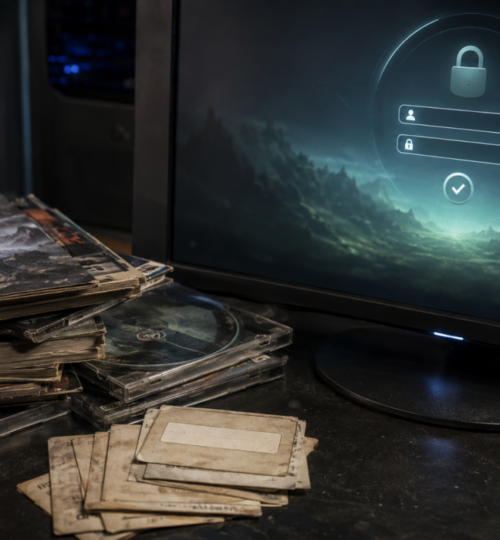
PC gaming has always sold itself as the platform that remembers. Old boxes in closets. Discs with scratched jewel cases. Fan patches. Mods hosted on forgotten forums.
PC gaming has always moved in waves. One year, a mid-range build feels bulletproof.
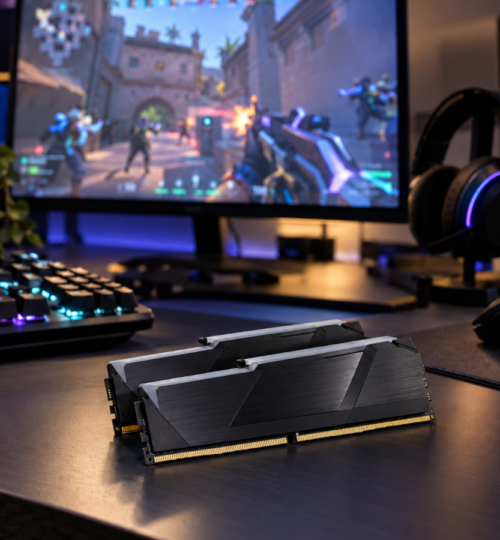
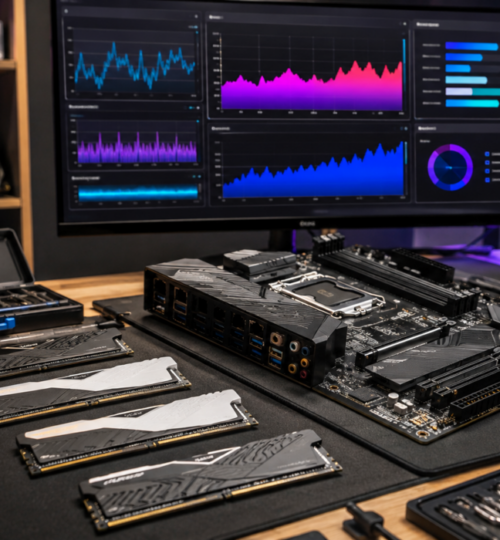
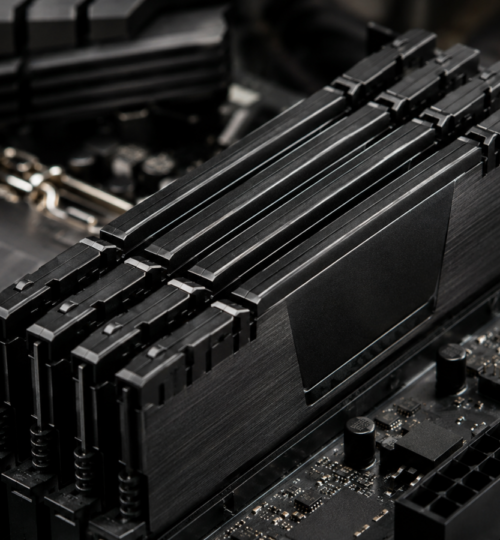
For PC gamers, memory speed has always carried a certain magic.
The modern gaming setup has become more than a tool. It is part workstation, part entertainment center, part identity piece.
For a community that built its identity on precision, timing, and player-driven competition, input has always mattered.
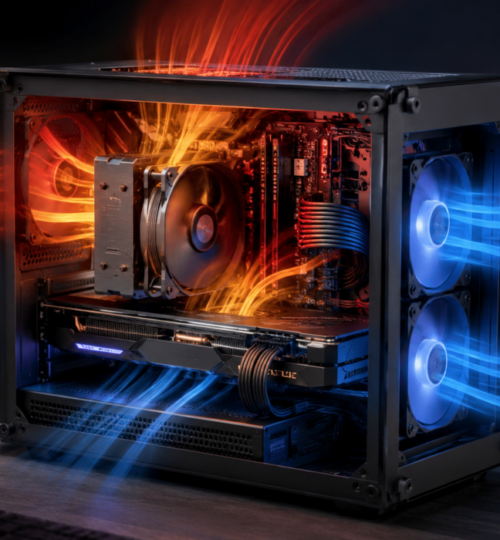
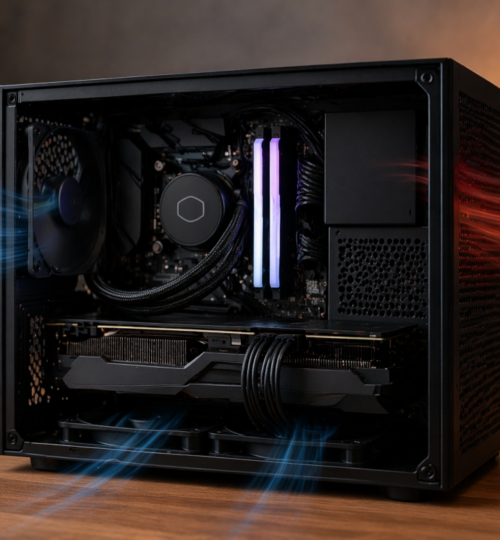
There is something undeniably appealing about a small form factor gaming rig.