The Best Audio Setups for Spatial Awareness in Competitive Gaming
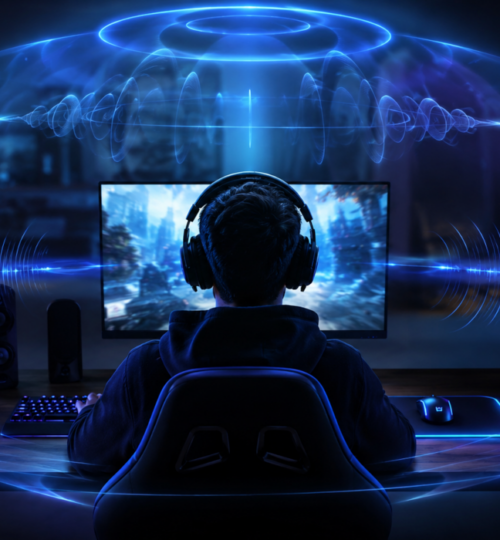
Competitive players have spent years being sold the idea that more audio channels automatically produce better positional information.
Hardware
Competitive players have spent years being sold the idea that more audio channels automatically produce better positional information.
For more than a decade, 1920×1080 held an almost untouchable position in PC gaming.
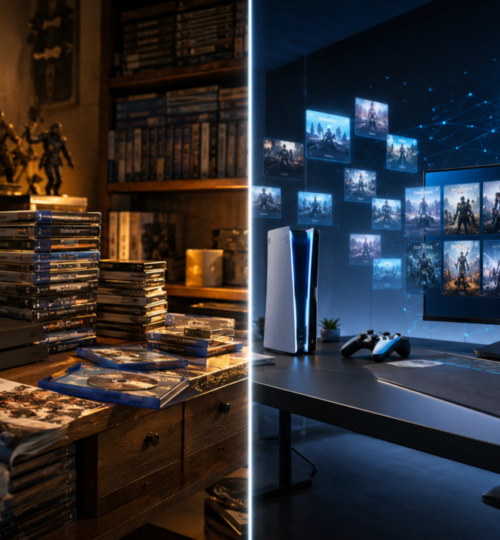
The disc drive is becoming optional hardware. Sony sells a PlayStation 5 Digital Edition without an optical drive, though compatible models can be expanded with a separately purchased drive.
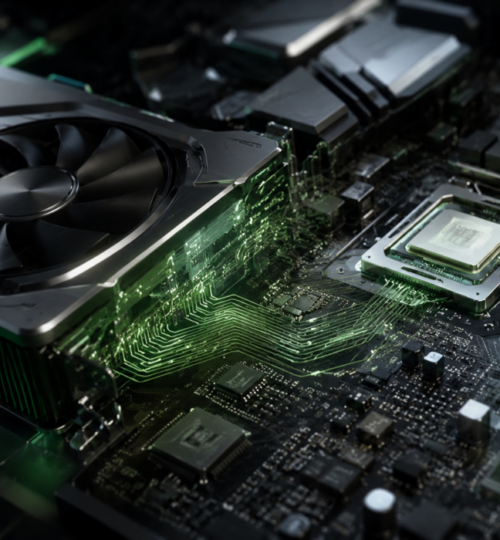
Computex 2026 made something very clear: Nvidia no longer wants to be seen as just the company inside your gaming PC. It wants to become the platform your PC is built around.
For years, the gaming gear market seemed obsessed with speed. But competitive aiming has never been that simple.
When PC gamers talk upgrades, the spotlight usually lands on the flashier parts: the GPU, the CPU, the monitor, the RAM speed, the storage load times, the RGB, the benchmark chart, the flex.
For years, PC gaming had a familiar rhythm. A new generation of games arrived, hardware requirements climbed, and players either upgraded or slowly accepted that their old rig had fallen behind.
Every competitive gamer knows the feeling. You saw the enemy first. You clicked first. You swear your crosshair was on target. Then the killcam tells a different story.
For years, PC gamers treated the power supply as the boring box at the bottom of the case.
For PC gamers, the graphics card has always been the heart of the machine.
For most competitive players, hardware decisions eventually come down to one question: what actually gives you an advantage in your main game?
In massively multiplayer online games, performance is often measured in small advantages. A faster reaction, a cleaner rotation, or a well-timed ability can mean the difference between victory and defeat.
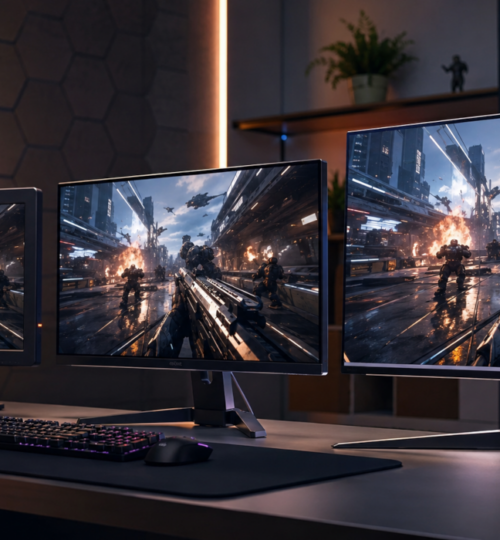
Multi-monitor setups have evolved from a niche luxury into a core part of serious gaming and streaming environments.
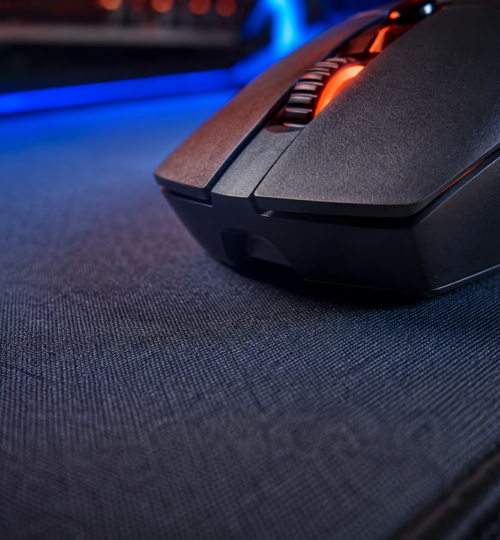
For years, the conversation around gaming peripherals has followed a familiar pattern. Wired equals reliable. Wireless equals convenient.
The PC hardware space rarely stands still, but every so often a shift arrives that feels less like an upgrade and more like a crossroads.