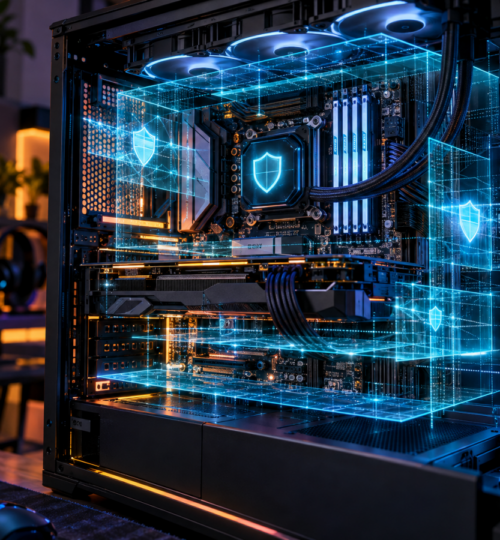
Kernel-Level Anti-Cheat in 2026: Privacy Trade-Offs Versus Keeping Competitive Ladders Clean
A competitive ladder only works if players believe the result on the screen came from the match they just played.
A competitive ladder only works if players believe the result on the screen came from the match they just played.
Competitive gaming has spent years trying to answer a deceptively difficult question: how do you prove that the person behind an account is really the person who is supposed to be playing?
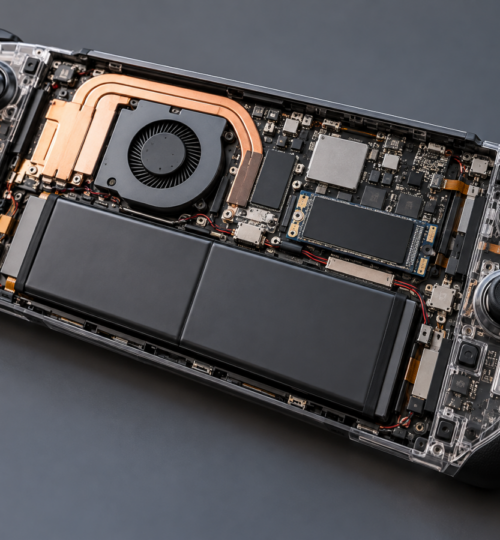
Portable gaming has reached a strange point in its evolution.
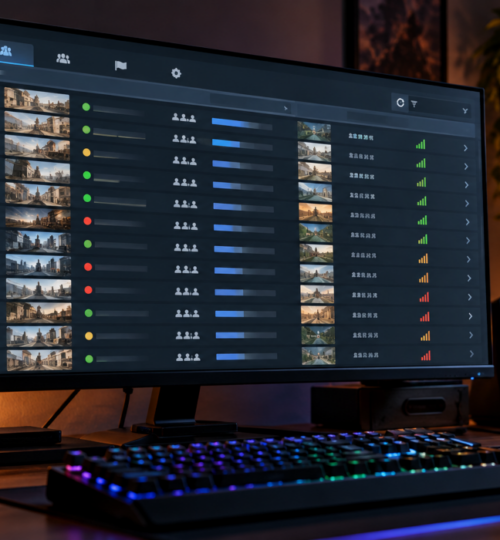
For much of multiplayer gaming history, finding a match meant choosing where you wanted to play.
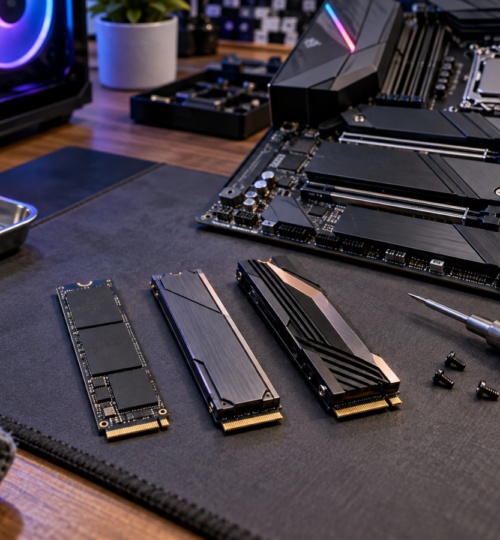
PCIe Gen 6 storage has crossed from specification sheets into real shipping hardware.
Global Warfighter League is going through a structural rethink, and I want to explain what is changing before those changes start becoming visible across the site.
Grand Theft Auto has always been competitive in the loose, chaotic sense of the word.
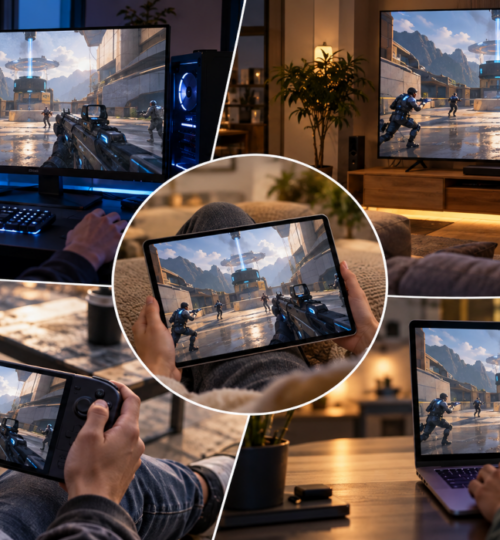
For most of gaming history, the platform was easy to identify because it sat under the television or beside the monitor.
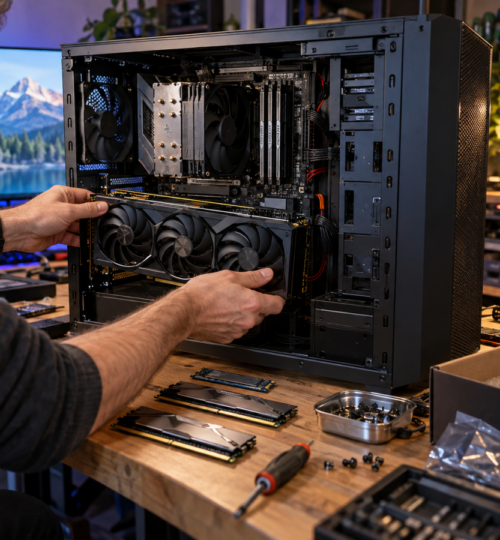
A gaming PC that still pushes respectable frame rates can feel surprisingly old the moment local AI enters the workload.
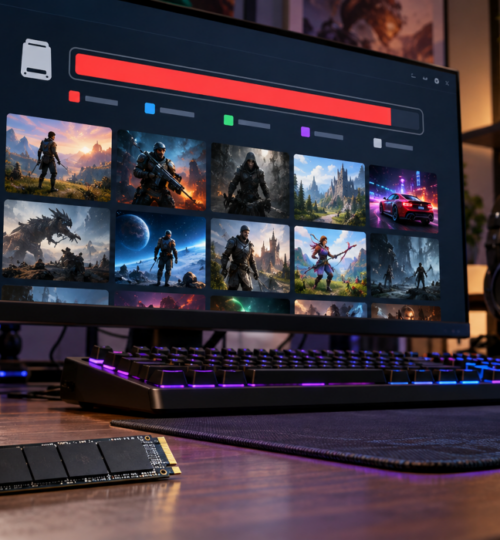
For most of the last decade, PC storage followed an easy pattern: SSDs got faster, prices per gigabyte fell, and gaming systems slowly moved from 500GB to 1TB, then toward 2TB.
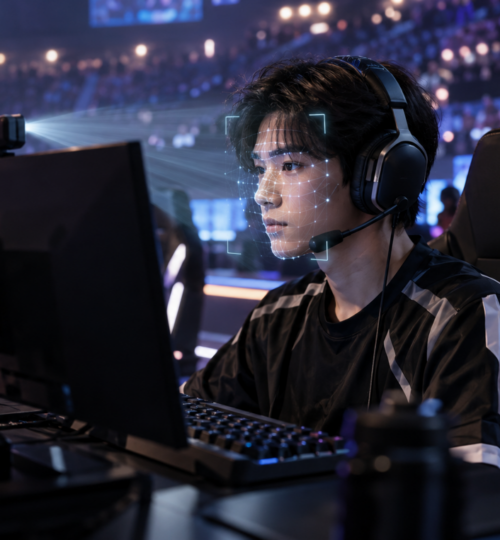
Competitive PC gaming has reached a point where anti-cheat software is no longer watching only the game process.
Aimbots used to leave a familiar technical trail. They hooked game processes, read memory, injected code, patched files, or depended on drivers that anti-cheat teams could hunt directly.
A 120Hz screen on a handheld gaming PC sounds like an obvious win for competitive shooters.
Competitive practice has always depended on the quality of the opponent.
Ranked multiplayer has always put pressure on strangers to cooperate before they have any reason to trust one another.