The 120Hz Squeeze: How Mid-Generation Consoles Are Chasing Competitive Performance
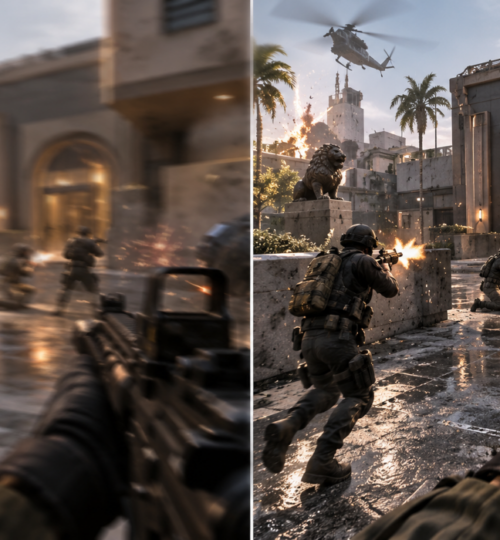
For competitive console players, 120Hz stopped being a luxury feature a while ago.
Consoles
For competitive console players, 120Hz stopped being a luxury feature a while ago.
The next console generation is arriving with a different kind of performance problem.
Gaming handhelds have reached the point where showing up to a LAN with one no longer feels like a stunt.
Cross-play solved one of multiplayer gaming’s oldest problems. Friends no longer need matching hardware to stay together, and publishers can combine several platform populations into healthier matchmaking pools.
Sony has confirmed another ugly reminder that the word “purchased” does not mean what many customers think it means.
Old games are not dead games. Backward compatibility used to feel like a bonus feature. Now it feels like a line in the sand.
For years, Xbox has sold players on a future bigger than a console box under the television.
Sony’s June 2026 State of Play arrived at exactly the right moment. The PlayStation 5 is deep into its generation now, and the conversation around the console has shifted.
Competitive gaming has always been a battle against more than the opponent.
Console streaming used to feel like a strange technical side quest.
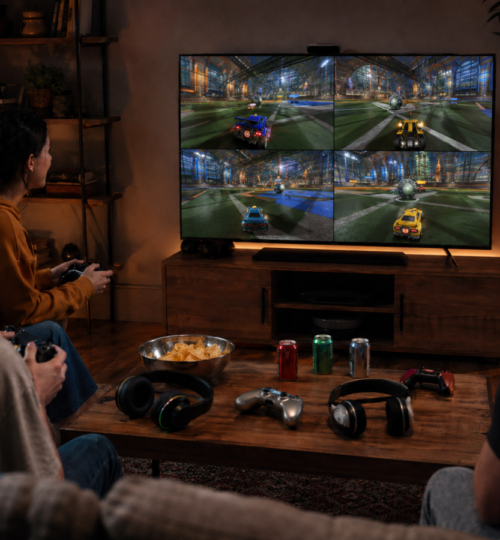
For a long time, split-screen felt like a relic from another gaming age.
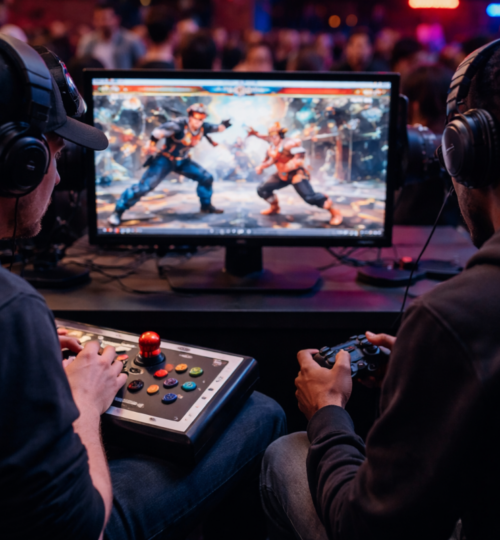
For a genre built on precision, timing, and muscle memory, fighting games have always lived at the intersection of human skill and hardware.
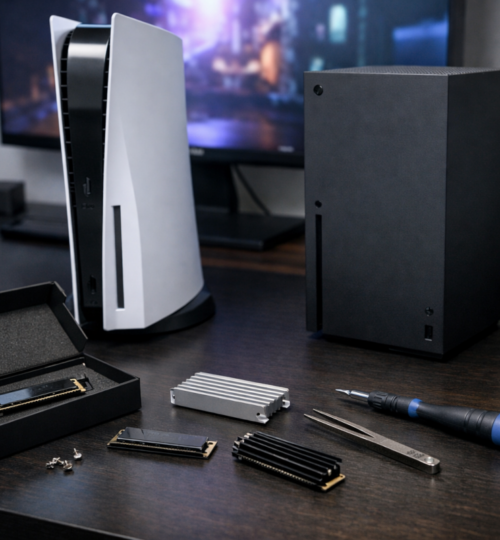
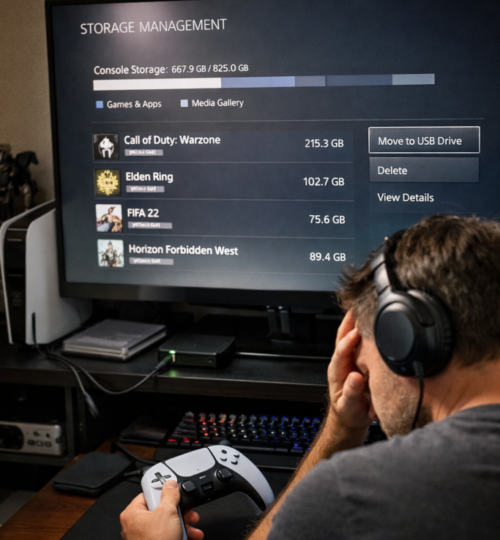
There was a time when storage was the least interesting part of your setup. You installed a game, maybe cleared space once in a while, and moved on.
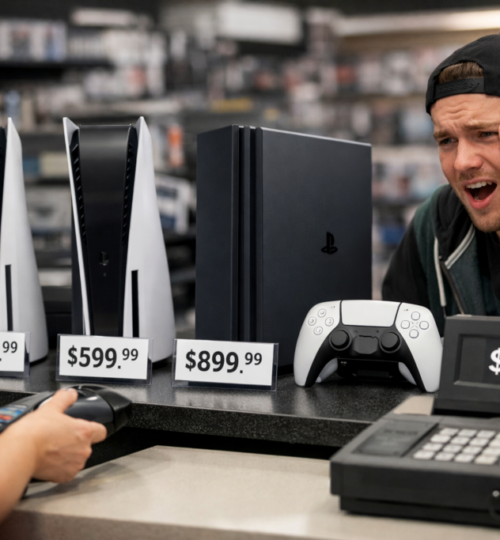
Sony has announced another round of price increases for its PlayStation 5 lineup, and the timing has caught the attention of the gaming world.
There’s a new reality of console storage going on. There was a time when buying a new console felt simple.