Toxic vs. Constructive: Building Better Environments in Ranked Queues
Ranked multiplayer has always put pressure on strangers to cooperate before they have any reason to trust one another.
Multiplayer
Ranked multiplayer has always put pressure on strangers to cooperate before they have any reason to trust one another.
Ranked modes are built around a simple promise: play well, improve, and the ladder will eventually reflect your level.
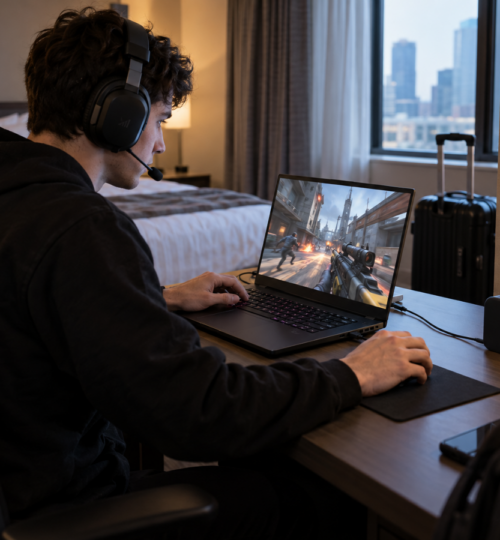
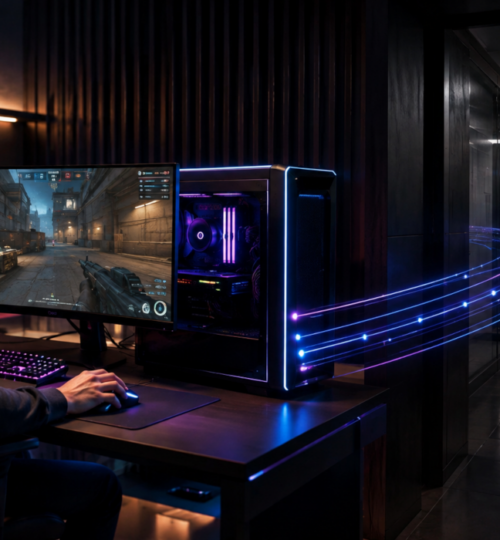
A traveling competitive player can carry a tournament-grade laptop, a low-latency display, a tuned mouse, and a headset that has survived three generations of Discord servers.
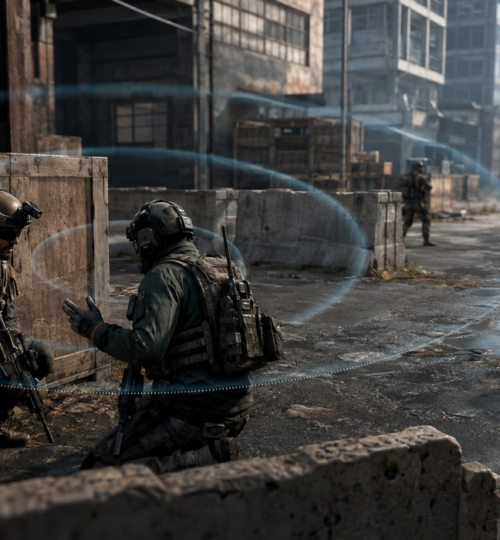
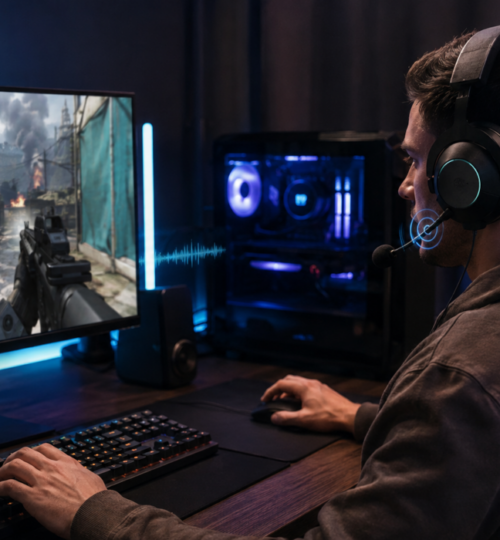
Proximity voice chat has turned the human voice back into a piece of multiplayer equipment.
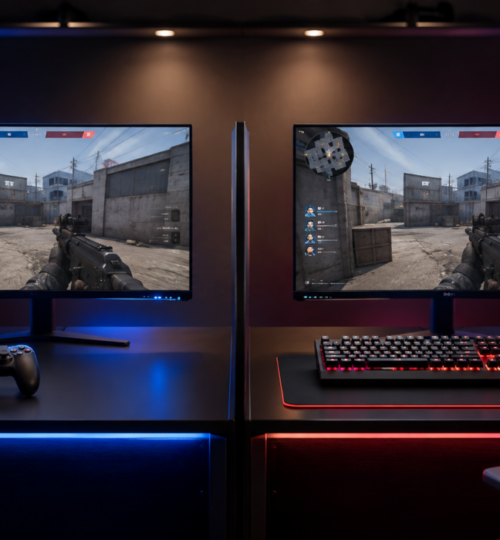
Crossplay solved one of multiplayer gaming’s oldest problems: friends on different hardware no longer have to live in separate matchmaking pools.
Competitive multiplayer has always had a communication problem hiding inside one of its greatest strengths.
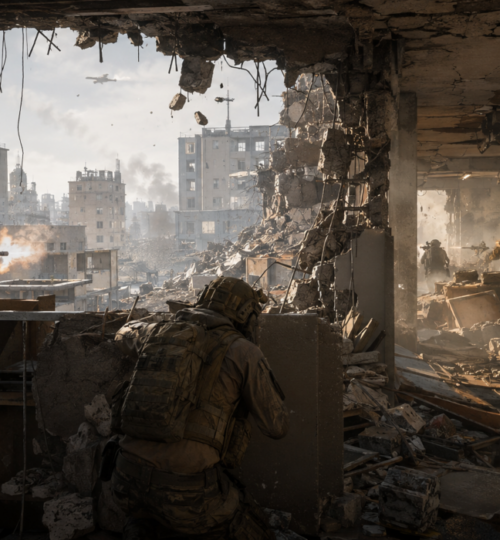
A tactical shooter can feel wrong long before a player can explain why.
For years, competitive map knowledge meant learning a fixed object.
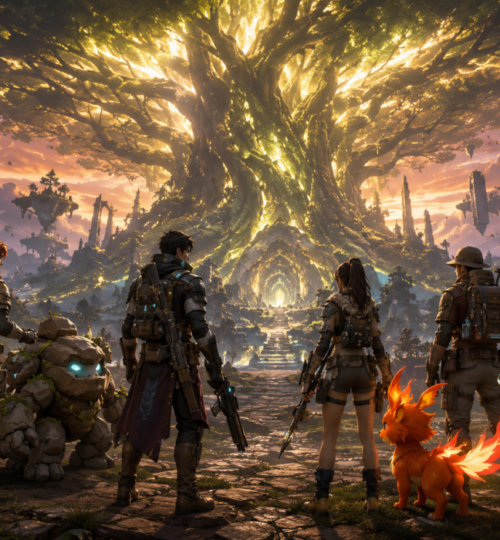
Palworld’s early-access explosion was easy to understand. It took creature collecting, survival crafting, automated production, open-world exploration, and third-person gunplay, then smashed them together with almost no concern for genre purity.
Skill-based matchmaking was supposed to solve one of online gaming’s oldest problems.
Battle royale is not dead. That headline would be easy, dramatic, and wrong.
In-game concerts used to sound like a novelty feature, the kind of thing a publisher might try once for press attention before returning to normal seasonal content.
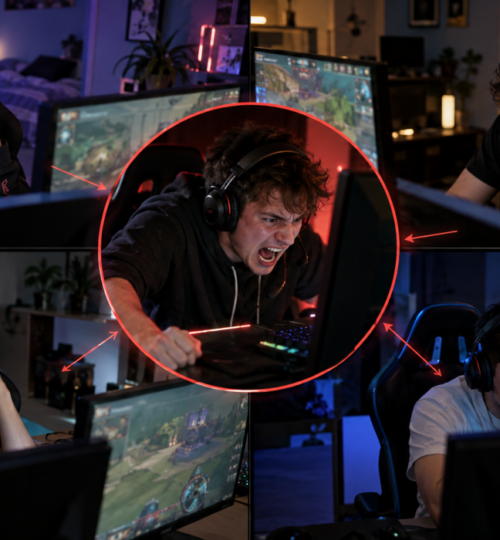
Online multiplayer games rarely fall apart because one player misses one shot. They fall apart because the team stops functioning as a team.
There was a time when online multiplayer felt like walking into a crowded arcade. You did not always know who you were going to face
Something interesting is happening across the industry: co-op games are becoming cool again.