
Game: Star Wars Battlefront 2 Classic (2005)
Rankings: GWL Legacy Leaderboard for SWBF2 Classic (2005)
Steam: Star Wars Battlefront 2 Classic (2005)
 Star Wars: Battlefront II wasn’t just another title in our catalog. It was the engine that kept the lights on.
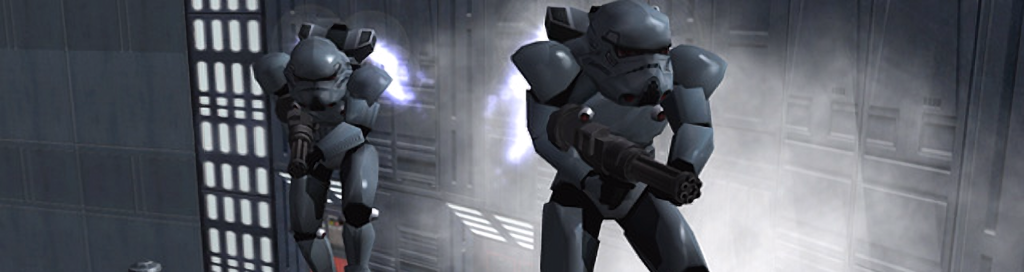
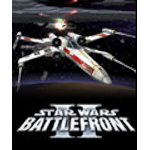
Released in 2005, SWBF2 Classic expanded dramatically on the original 2004 Battlefront. It introduced space battles, refined class systems, hero and villain characters, and larger-scale Conquest modes that blended infantry combat with vehicles and starfighters. It struck a rare balance: accessible enough for casual fans of Star Wars, yet structured enough to sustain serious competitive play.
And the multiplayer foundation was solid. Hit detection was consistent. Server stability was reliable. Cheating, at least early on, was difficult compared to many PC shooters of the era.
That stability gave it longevity. We originally hosted the first Star Wars: Battlefront, and while there was interest, it never reached critical mass. Its sequel changed everything. The Turning Point was 11/27/2005.
 On November 27, 2005, when GWL formally opened competitive ladders for SWBF2 Classic (2005), the broader community took notice. There were other sites attempting to standardize rules and competition structures at the time. There was legitimate play happening elsewhere. But when our structure launched, momentum shifted. From that point forward, we became the competitive home for the game.
We had a WHOPPING 4,857 matches and 41 ladders with 22 tournaments, a Hundred+ teams and hundreds of players over the 6 years of active competition (last match: 11/9/2011). No other game in our history comes close. Not even close. This wasn’t just success. It was dominance.
The Competitive Landscape
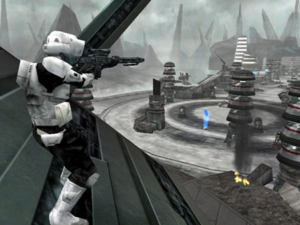
SWBF2 Classic supported a wide variety of modes that translated well into structured play like Capture the Flag (CTF), Conquest, Space Battles, Hunt and of course Heroes vs Villains (HVV). Competition flourished in both solo and team formats with Infantry-only ladders, Sniper-only ladders, HVV solo (and team) duels, full team Conquest battles and organized Space, Conquest, and HVV tournaments.
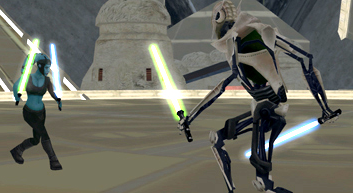 But if one format defined the era, it was Heroes vs Villains. HVV ladders and tournaments became the heartbeat of the league. The balance of hero abilities, lightsaber duels, blaster precision, and map control created some of the most watched and talked-about matches in our history.
The game grew so large within our structure that we eventually had to divide it into three separate divisions, Conquest Division, Space Division and Heroes vs Villains Division. Each required its own leadership with “-)G(- Mawk” for Heroes vs Villains, “[SL] Sprite” for the Space, and “~FL~Triphamm3r” for the Overall Game Lead (Conquest, Solo Ladders and Hunt). This wasn’t casual oversight. This was infrastructure.
Innovation and Mod Culture
One of the reasons SWBF2 stayed fresh for six years was our embrace of mods. We introduced competitive and gaming mod maps that reshaped balance and added variety. These weren’t gimmicks. They became part of the competitive meta.
 We hosted weekly SWBF2 Gamenights that brought the entire community together. Participation wasn’t limited to ladders; it was social, organized, and consistent. We even opened an Australia/New Zealand only division to support regional competition and fair ping environments.
For a period of time, we were on top of the world. Other sites attempted to host SWBF2 ladders and competition but they didn’t last. Some closed entirely due to lack of activity. We didn’t just hold a slice of the scene. We were the scene.
Anti-Cheat and the Beginning of the End
 No dominant era lasts forever.
Eventually, exploits began surfacing. Client-side modifications could alter online gameplay. External attacks targeted hosted servers. The shutdown of GameSpy complicated the whole situation but was manageable for organized clans.
During this time we responded by building something unprecedented. Our own downloadable anti-cheat software for the SWBF2 Classic (2005) game. It verified original SWBF2 Classic game files, multiple running instances of the game, and known exploit signatures.
 The software was legitimate, transparent, and was even shared directly with Lucas Arts. While they could not publicly endorse us, they were fully aware of our efforts and received copies of every version we released.
Technically, it worked. Community-wise, it fractured. Half the community refused to compete without the anti-cheat. The other half refused to compete with it. Match communications increasingly stalled over that single issue. Teams couldn’t agree. Negotiations failed. Activity tapered.
Not because of structural weakness. Not because of administrative failure. But because the community split. And once that fracture took hold, the decline was inevitable.
What SWBF2 Means to Us
Star Wars Battlefront II Classic is not just another ladder archive. It is the crown jewel of our history.
- It carried us through leaner years when other games struggled to gain traction.
- It sustained infrastructure growth.
- It demanded division-level leadership.
- It attracted international participation.
- It generated 4,857 matches of real, documented competition.
For six years, it defined us. The final match on 11/9/2011 marked the end of an era. No other title we’ve supported has matched its scale, influence, or impact. It was our diamond.
And even though all good things eventually come to an end, the legacy of SWBF2 Classic at our league remains unmatched.
More on the History of SWBF2 at Global Warfighter League can be found on our SWBF2 History Page.
Global Warfighter League has a group leaderboard page that existed for our online SWBF2 Classic (2005) servers at the site: SWBF2stats.net
