
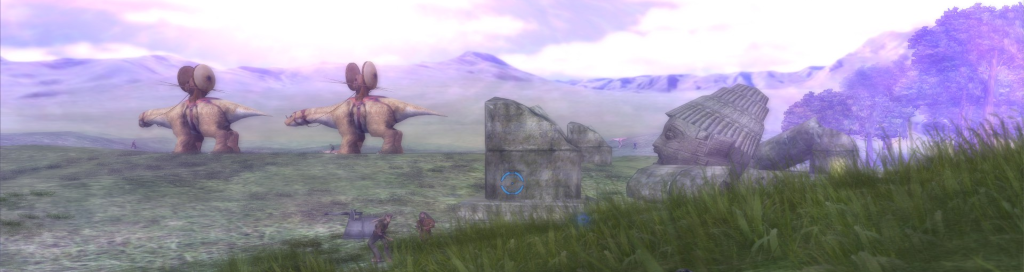
Game: Star Wars Battlefront Classic (2004)
Rankings: GWL Legacy Leaderboard for SWBF Classic (2004)
Steam: Star Wars Battlefront Classic (2004)
 Star Wars: Battlefront was the foundation of the modern Battlefront formula. Large-scale Conquest battles. Class-based infantry combat. Iconic Star Wars maps brought into multiplayer arenas. When it released in 2004, it captured the imagination of Star Wars fans who had never experienced that kind of battlefield scale in the franchise.
The multiplayer was ambitious for its time with command posts to capture, vehicles to pilot, heroes as rare battlefield presences but it lacked some of the refinements that would define its sequel. There were fewer mechanics, less variety in modes, and limitations that only became obvious once Star Wars: Battlefront II expanded the formula.
Interestingly, when SWBF (2004) first entered our lineup, it didn’t generate much traction. The interest simply wasn’t there in competitive form. It wasn’t until SWBF2 Classic began booming at our league that nostalgia brought players back to the original as you can see with the activity dates for the ladders.
Teams and players requested it. So we reopened the ladders. Between February 14, 2006 and April 22, 2006, we recorded 8 matches across two team ladders, the 2v2 – Sniper Duel and the 6v6 – Conquest Showdown.
The 2v2 sniper ladder emphasized precision and positioning on classic maps, while 6v6 Conquest Showdown brought organized team structure to the original command-post gameplay. For a brief window, the nostalgia felt promising. With SWBF2 dominating our league, we believed that a revival of the original might catch some of that momentum. It didn’t.
As players revisited SWBF1, the differences became clear. The sequel had refined mechanics, added heroes, introduced space combat, and expanded competitive flexibility. The original began to feel limited by comparison.
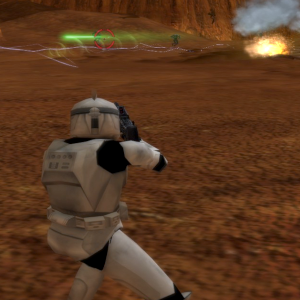 And then there was the mod factor. We had already introduced mod maps to SWBF2 that effectively brought SWBF1 maps into the sequel’s ecosystem. Players could negotiate map choices in match communications, allowing the classic battlefields to live inside the stronger competitive framework of SWBF2. Once that became standard, the need for a separate SWBF1 ladder diminished almost immediately.
Why compete in the older engine when the maps existed in the newer, more balanced one? By April 22, 2006, activity had tapered off entirely. Eight matches. Two ladders. A short revival fueled by nostalgia.
It wasn’t the explosive success of its sequel. It didn’t need to be. It was a community-driven experiment with a response to player request during the height of SWBF2’s dominance. And as with every game we supported, those matches matter.
They represent players revisiting a classic as well as our willingness to listen. They represent a moment where nostalgia met structure, even if it didn’t last.
SWBF1 Classic (2004) may not have thrived competitively at our league, but it remains part of the lineage that led to our most successful chapter.
And that alone makes it worth remembering.