The hero shooter genre has gone through several distinct phases over the past decade. Early titles established the foundation with strong class identities and objective driven multiplayer. Later releases leaned hard into live service models, seasonal content, and monetization systems that sometimes overshadowed the gameplay itself. With Highguard, released on January 26, 2026 on Steam, the genre feels like it is taking a thoughtful step forward rather than simply chasing trends.
Highguard enters a crowded space, but it does so with confidence. It blends traditional hero shooter mechanics with a stronger narrative backbone, a grounded visual style, and gameplay systems that reward teamwork without overwhelming new players. While the game is still early in its life cycle, first impressions suggest that Highguard has the potential to influence where hero shooters go next.
Setting the Stage: The World of Highguard
At its core, Highguard is set in a near future world shaped by the collapse of centralized power. Global institutions failed, megacities fractured into independent regions, and private security forces became the de facto defenders of civilization. Highguard units are elite operatives contracted to protect critical infrastructure, evacuate civilians, and secure contested zones that sit at the intersection of politics, technology, and survival.
The game’s story is not delivered through lengthy cutscenes alone. Instead, it is woven into mission briefings, environmental details, character dialogue, and optional lore entries. Each map reflects the consequences of a world held together by fragile alliances. Urban districts show signs of rapid reconstruction and decay happening side by side. Industrial zones are repurposed into fortified strongholds. Remote facilities hint at experimental technology that may have played a role in the collapse.
This approach gives Highguard a narrative presence without interrupting the flow of multiplayer matches. Players who want to dive deeper can piece together the story over time, while those focused purely on competitive play are never forced to stop and read.
Heroes With Purpose, Not Gimmicks
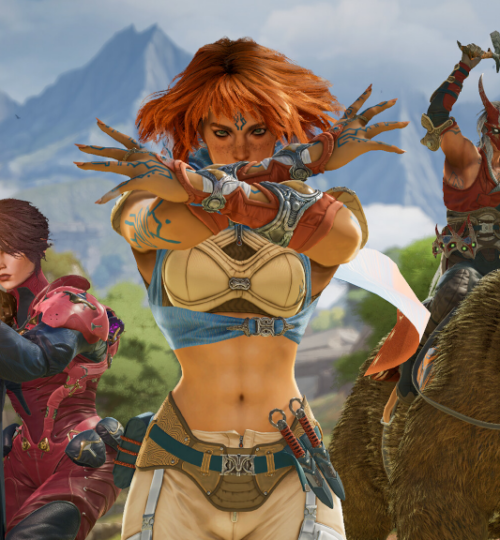
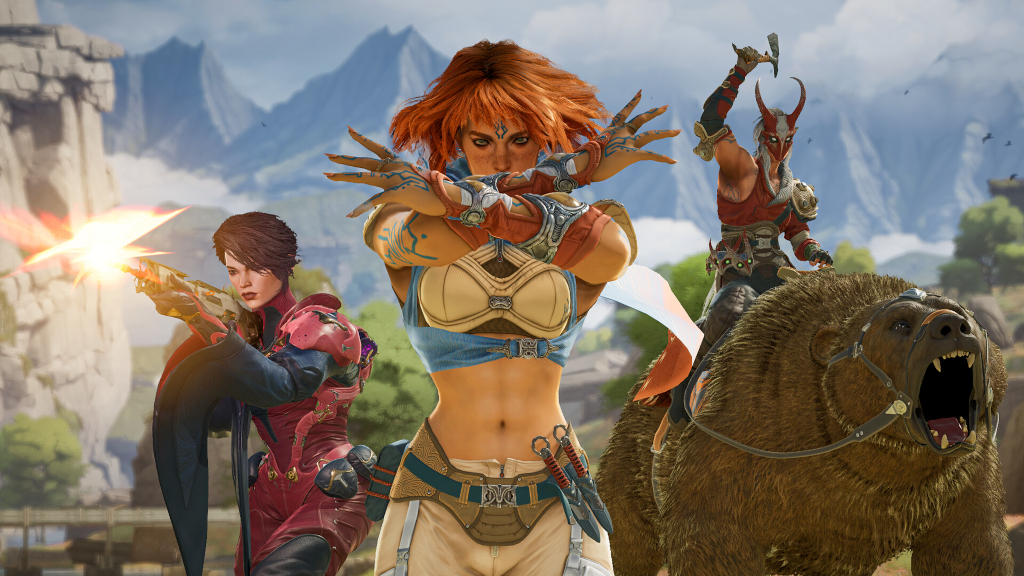
Highguard’s roster of playable heroes is one of its strongest features. Rather than leaning into exaggerated personalities or cartoonish abilities, the game opts for grounded, role driven characters. Each hero fills a clear purpose on the battlefield, whether that is frontline defense, battlefield control, mobility, or tactical support.
Abilities feel designed to complement team play rather than dominate it. Defensive heroes can create temporary cover or redirect enemy fire, but they are not unkillable. Damage focused characters rely on positioning and timing rather than raw burst. Support heroes emphasize area control, information gathering, and sustain without turning matches into endless stalemates.
Players have noted that the heroes feel distinct without being overwhelming to learn. This balance makes it easier for new players to understand their role while still leaving room for mastery. It also reduces the frustration that often comes from facing heroes that feel unfair or impossible to counter.
Gameplay That Rewards Coordination
Highguard is firmly objective based. While eliminations matter, matches are won through coordinated pushes, map control, and smart use of abilities. Objectives range from escorting high value targets to securing power nodes and defending extraction points. Each mode encourages movement and adaptation rather than static defense.
One of the more praised aspects of the gameplay is pacing. Matches maintain a steady rhythm without devolving into constant chaos. Respawn timers, map layouts, and ability cooldowns are tuned to keep players engaged without feeling rushed. This creates room for strategy and mid match adjustments, something veteran players tend to appreciate.
The shooting mechanics themselves are responsive and consistent. Weapons have clear roles and predictable recoil patterns. Time to kill sits in a middle ground that rewards accuracy and teamwork without making individual encounters feel abrupt. This balance has been cited as one of the reasons Highguard feels accessible while still competitive.
Visual Direction and Technical Presentation
Visually, Highguard avoids extremes. It does not chase hyper realism, nor does it rely on exaggerated stylization. Instead, it adopts a clean, grounded aesthetic that supports readability during fast paced matches. Character silhouettes are distinct, ability effects are clear without being distracting, and environments provide enough detail to feel lived in without cluttering sightlines.
Performance on PC has generally been solid. Most players report stable frame rates across a wide range of hardware configurations. Load times are reasonable, and the interface is clean and intuitive. While there have been reports of minor bugs and occasional server hiccups during peak hours, these issues are relatively common for a new online release and have not overshadowed the overall experience.
Audio design also deserves mention. Weapon sounds are punchy without being overwhelming, and environmental audio helps convey spatial awareness during matches. Voice lines are functional and restrained, reinforcing character identity without becoming repetitive.
Community Feedback: The Positive Side
Early player feedback has leaned positive, especially among fans of classic objective based shooters. Many players have praised Highguard for respecting their time. Progression systems feel rewarding without pushing aggressive monetization. Unlocks are meaningful, and there is a sense that skill and teamwork matter more than grinding.
Another common point of praise is the game’s tone. Highguard takes its world seriously without becoming self important. This grounded approach resonates with players who have grown tired of overly flashy hero shooters that prioritize spectacle over substance.
The matchmaking experience has also been described as fair, with relatively balanced teams and reasonable queue times. Cross play options and clear communication tools make it easier to coordinate with friends and random teammates alike.
Community Feedback: Constructive Criticism
Despite the positive reception, Highguard has not been without criticism. Some players feel that the initial hero roster could be larger. While the existing characters are well designed, there is a desire for more variety, particularly in niche roles.
Others have noted that certain maps favor defensive play more than intended, leading to longer matches in specific modes. This feedback has been framed more as a tuning issue than a fundamental flaw, and many players expect adjustments as the developers gather more data.
There have also been discussions around progression pacing. While many appreciate the lack of aggressive monetization, a smaller group feels that unlocks could come slightly faster for casual players. Importantly, these criticisms are generally delivered with optimism rather than frustration, suggesting that players see potential rather than problems.
Why Highguard Feels Like a Step Forward
What sets Highguard apart is not a single revolutionary feature, but the way its systems work together. It feels like a game built with intention. Mechanics serve the experience rather than existing for marketing bullet points. The story enhances the world without hijacking gameplay. Heroes are distinct but balanced. Competitive elements are present without alienating newcomers.
In an era where many hero shooters struggle to define their identity, Highguard feels comfortable with what it wants to be. It does not try to replace established giants overnight. Instead, it focuses on building a solid foundation that can grow over time.
Looking Ahead
If the developers continue to support Highguard with thoughtful updates, new heroes, and balanced content expansions, the game is well positioned to carve out a lasting place in the genre. Its early reception suggests a community that wants to invest in its future, not just sample it and move on.
For players looking for a hero shooter that emphasizes teamwork, clarity, and long term potential, Highguard is worth paying attention to. It may not redefine the genre overnight, but it represents a promising direction for what the next era of hero shooters can look like when design discipline and player respect come first.
As Highguard settles into its post launch phase, it will be interesting to see how its systems evolve and how the community grows around it. Based on what is already in place, the foundation is strong, and the future looks bright.