Handheld Gaming PCs in 2026: A Crowded Market of Competing Specs, Features, and Prices
The handheld gaming PC market has reached an unusual point in 2026.
The handheld gaming PC market has reached an unusual point in 2026.
In October 2026, independent developers demonstrated that a jailbroken PS5 could accomplish something Sony has never officially supported.
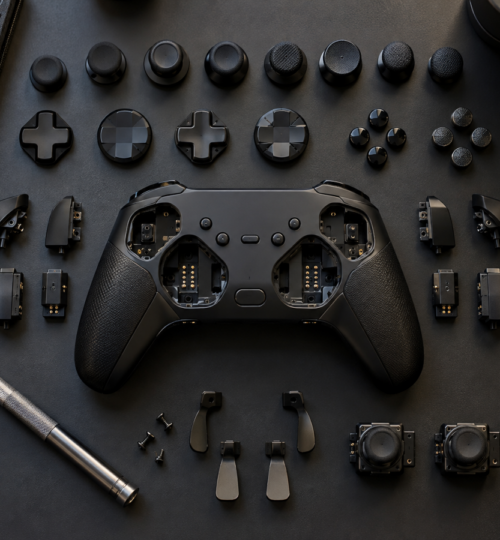
The premium controller market has become increasingly competitive in 2026, with third-party manufacturers offering hardware configurations that were once largely associated with expensive first-party accessories.
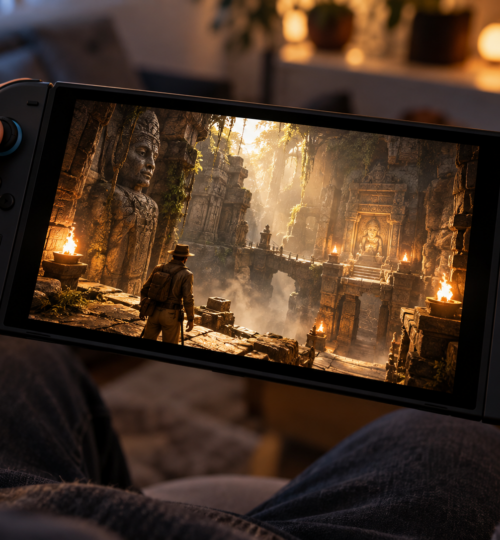
Bringing a modern, visually demanding game to portable hardware presents challenges that go well beyond reducing resolution and lowering a few graphics settings.
Nintendo entered the current handheld generation from an unusual position.
Portable gaming has reached a strange point in its evolution.
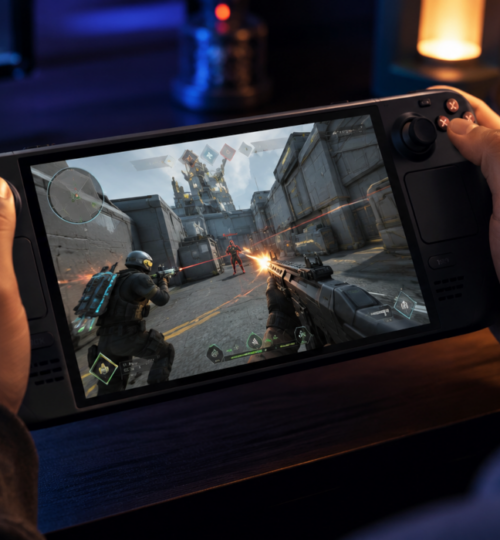
A 120Hz screen on a handheld gaming PC sounds like an obvious win for competitive shooters.
Nintendo hardware has spent much of modern esports history sitting beside the main competitive PC and console ecosystem rather than inside it.
The next console generation is arriving with a different kind of performance problem.
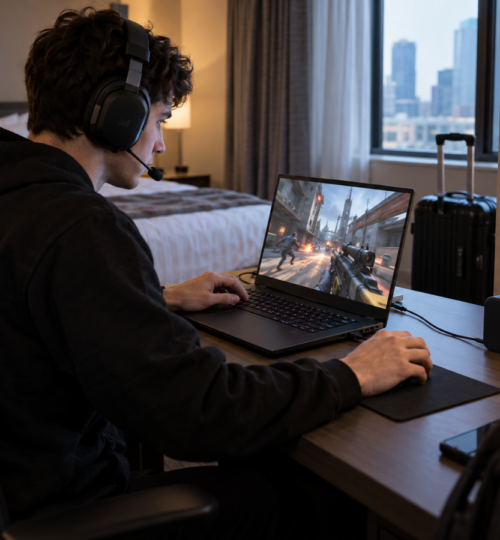
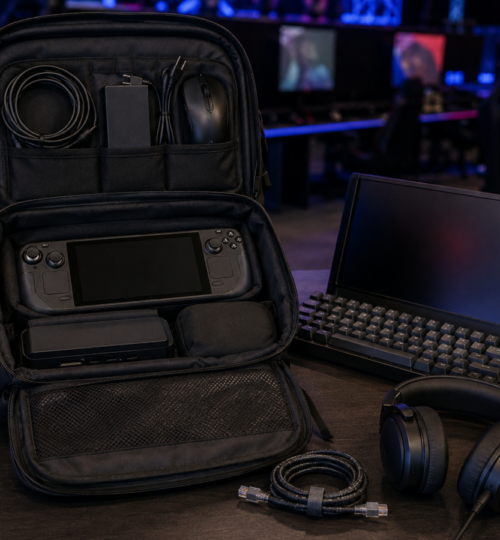
A traveling competitive player can carry a tournament-grade laptop, a low-latency display, a tuned mouse, and a headset that has survived three generations of Discord servers.
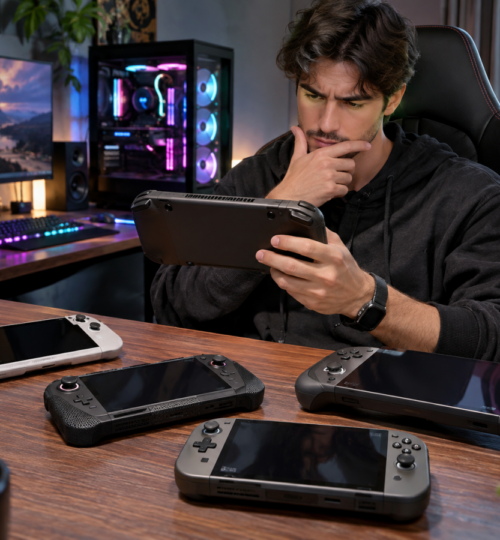
Portable gaming PCs have reached the point where raw performance is no longer their biggest problem.
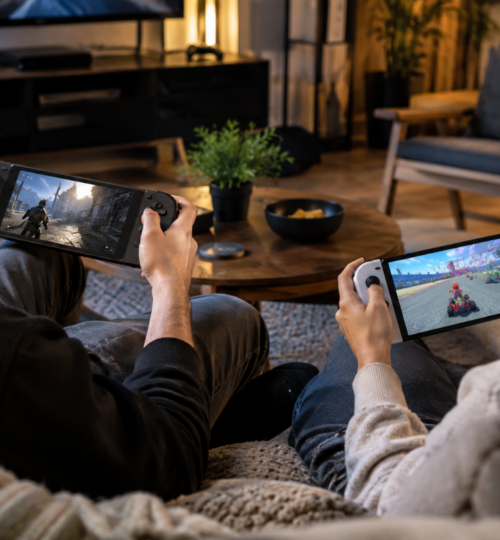
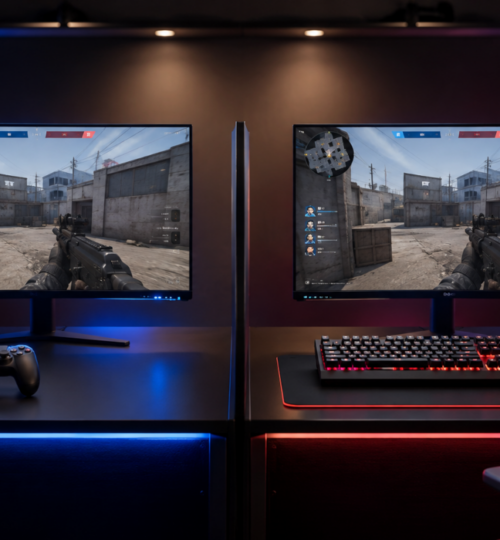
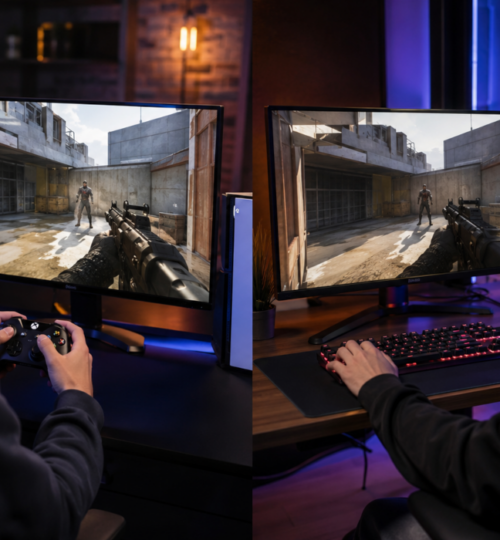
Crossplay solved one of multiplayer gaming’s oldest problems: friends on different hardware no longer have to live in separate matchmaking pools.
The PlayStation blackout begins on August 23, 2026, with a simple demand: for one week, participating players are being asked to stop logging into PlayStation Network, stop playing on PlayStation platforms, and stop spending money in Sony’s gaming ecosystem.
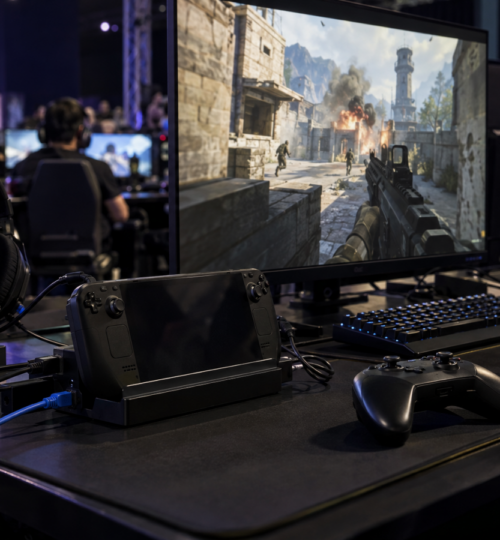
Gaming handhelds have reached the point where showing up to a LAN with one no longer feels like a stunt.
Cross-play solved one of multiplayer gaming’s oldest problems. Friends no longer need matching hardware to stay together, and publishers can combine several platform populations into healthier matchmaking pools.