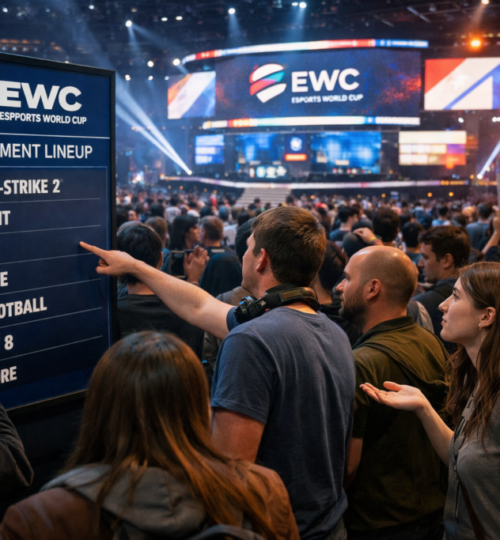
StarCraft II’s Absence from EWC 2026: The Future of RTS in Premier Tournaments
Real-time strategy games helped build the foundation of competitive gaming long before the modern esports industry took shape.
Real-time strategy games helped build the foundation of competitive gaming long before the modern esports industry took shape.
For players of Diablo IV, each new season brings a mix of excitement, skepticism, and curiosity.
For decades, the image of a serious PC gamer was almost always the same: a desk, a large monitor, a mechanical keyboard, and a powerful desktop tower humming away beneath the table.
In competitive gaming, few debates last longer than the argument between mechanical skill and game sense. It shows up in every era, across every genre.
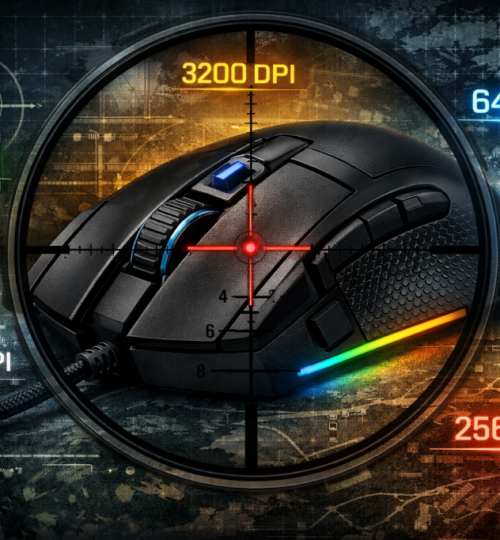
Few specs in PC gaming have been pushed harder in marketing than mouse DPI. Walk into any retailer or browse a hardware page and you will see numbers that climb into the stratosphere.
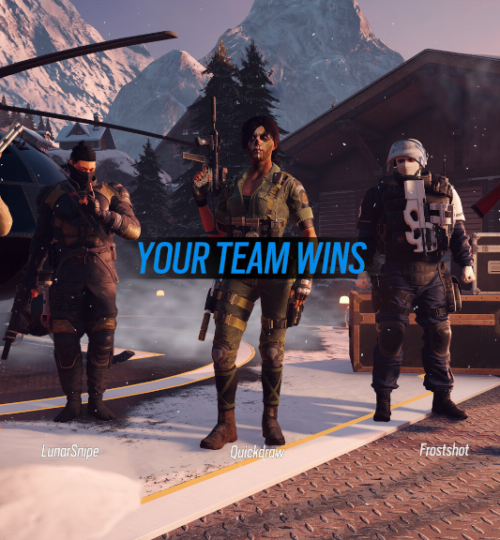
After more than a decade on the market, Tom Clancy’s Rainbow Six Siege continues to prove that tactical shooters can evolve without losing their identity.
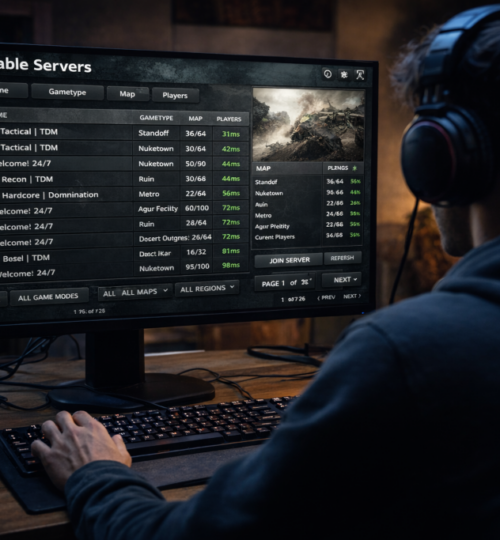
For players who grew up on competitive multiplayer shooters, the server browser is not just a feature. It is a philosophy.
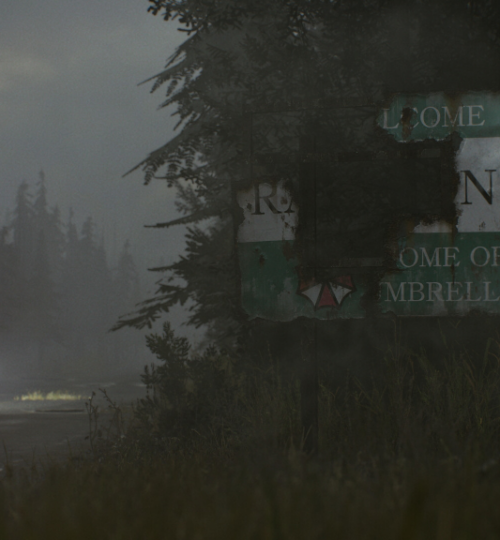
For more than two decades, the Resident Evil franchise has existed in a rare space where horror, action, and atmosphere collide in a way few series have managed to replicate.
The dust has finally settled on the most chaotic holiday shopping season the first person shooter genre has seen in years.
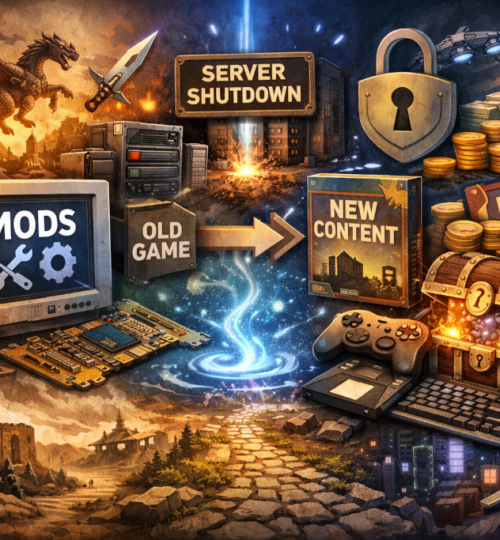
Some games launch loud, burn bright, and disappear within a year. Others refuse to die.
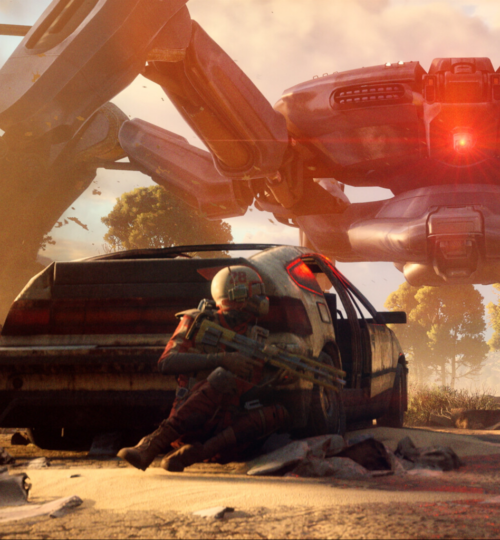
When I first dropped into Arc Raiders, it was immediately clear that this was not trying to be just another disposable multiplayer shooter chasing a trend.
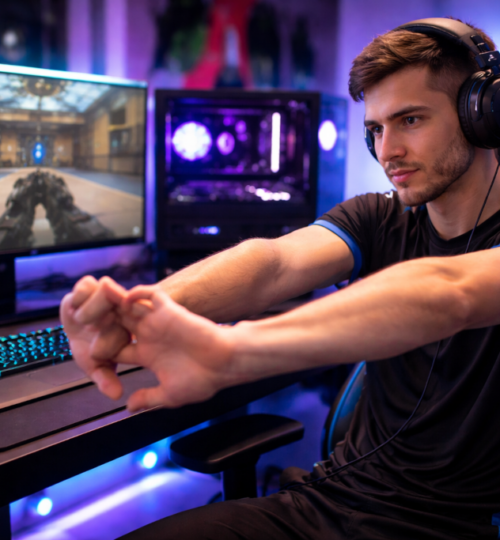
Competitive gaming has reached a point where preparation matters just as much as raw talent. Professional players do not simply launch a game and queue into a ranked match or scrim cold.
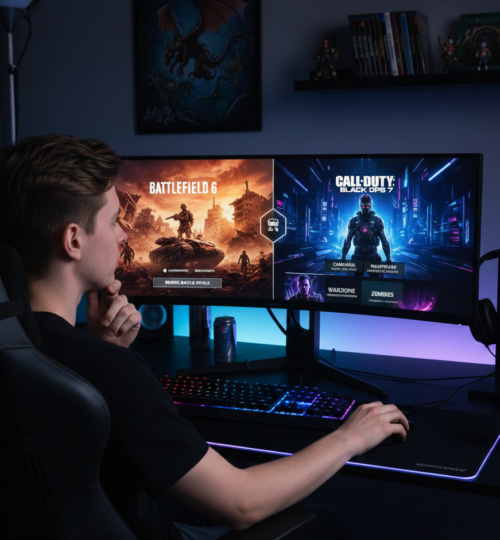
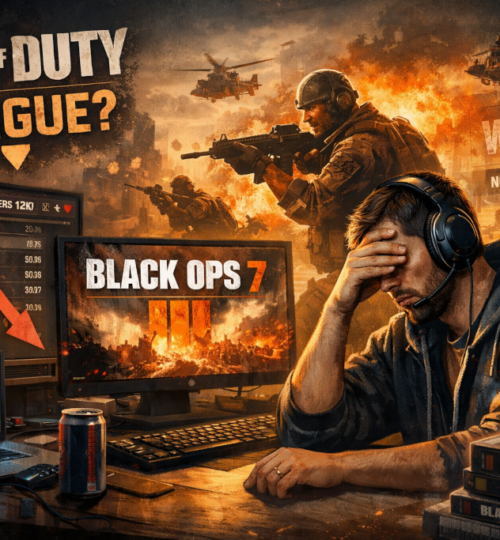
When Black Ops 7 launched, it did exactly what the Call of Duty franchise has done for nearly two decades.
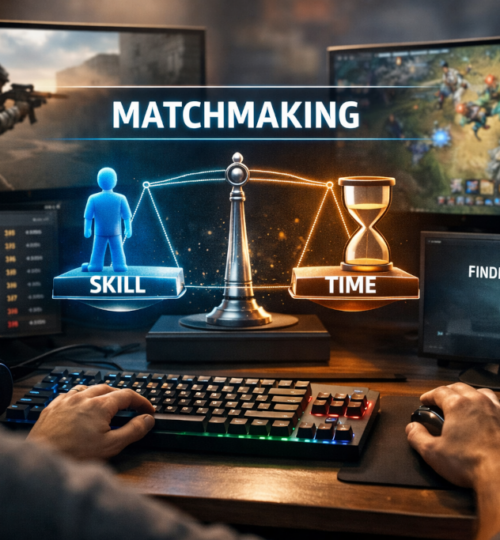
Matchmaking is one of those systems most players interact with constantly but rarely think about in detail. You queue up, wait a bit, load into a match, and hope the game feels fair.
Gaming has always been more than pixels on a screen. It is a shared language, a set of rituals, and a culture built by players talking to one another long before developers or marketers tried to define what gaming should look like.