Procedural Generation in Competitive Formats: Can Randomness Belong in High-Stakes Tournaments?
Competitive gaming has spent decades trying to remove variables that players cannot control.
Competitive gaming has spent decades trying to remove variables that players cannot control.
PC anti-cheat in 2026 is starting to look less like a single piece of security software and more like a chain of trust spread across firmware, Windows, game clients, and remote services.
Cloud gaming changes where the game runs, but it also changes where anti-cheat can see.
Competitive players have spent years learning that a high average frame rate can hide an ugly match.
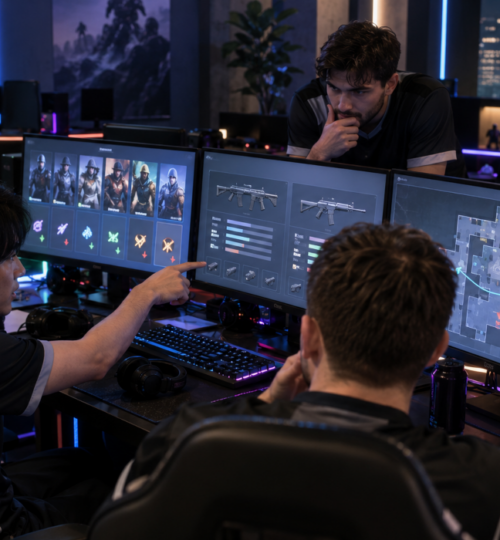
A balance patch can turn months of ranked experience into partially outdated information overnight.
Competitive anti-cheat has spent years getting better at spotting the impossible.
Esports has never had a shortage of new games trying to become the next permanent fixture.
For years, PC anti-cheat was built around a familiar assumption: if a cheat wanted to manipulate a game, it had to interact with the same operating system that was running the game.
Cloud gaming has spent years fighting the same accusation; it feels fine until the game asks for precision.
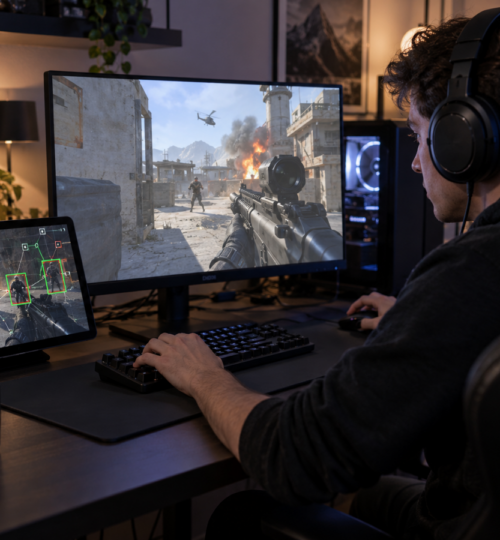
For years, the standard mental model of PC cheating was software fighting software.
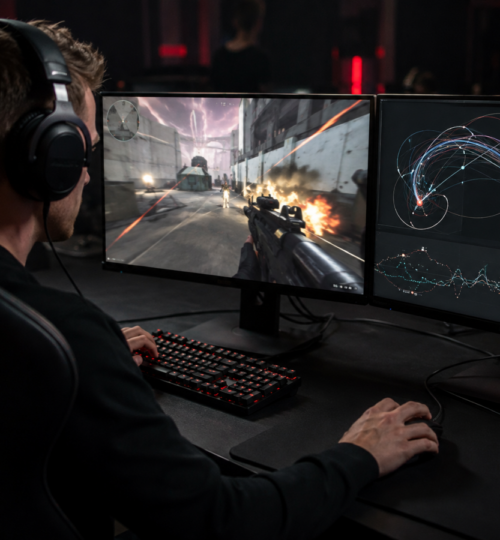
A tactical shooter can feel wrong long before a player can explain why.
For years, competitive map knowledge meant learning a fixed object.
Early Access has changed how multiplayer games are built, funded, tested, and marketed. Players no longer wait for a finished box to appear on a store shelf.
Game cheating has never required honorable craftsmanship. It has always attracted people willing to copy code, resell private builds, steal from rivals, and disappear when customers get banned.
Battle royale is not dead. That headline would be easy, dramatic, and wrong.