
Linux Gaming in 2026: Is Proton Finally Perfect for Everyday Players?
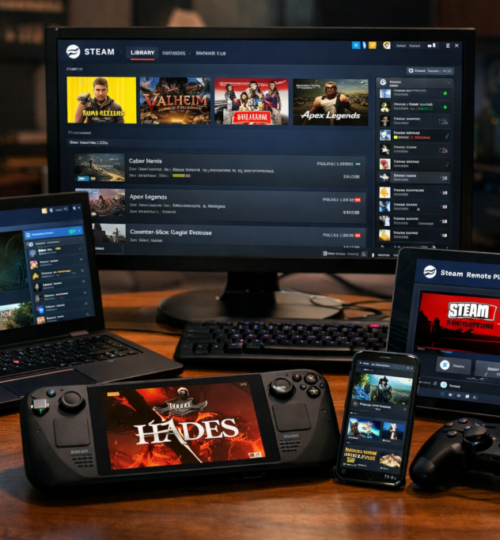
For years, Linux gaming lived in a strange space between passion and practicality.
For years, Linux gaming lived in a strange space between passion and practicality.
There was a time when a PC game library lived on a single hard drive. If your storage filled up, you uninstalled something.
The Game Developers Conference has always been a place where the future of gaming quietly takes shape. Developers share technology, platform holders discuss direction, and industry insiders begin piecing together the next wave of hardware and software. At the 2026 GDC event, one topic repeatedly surfaced in conversations around the …
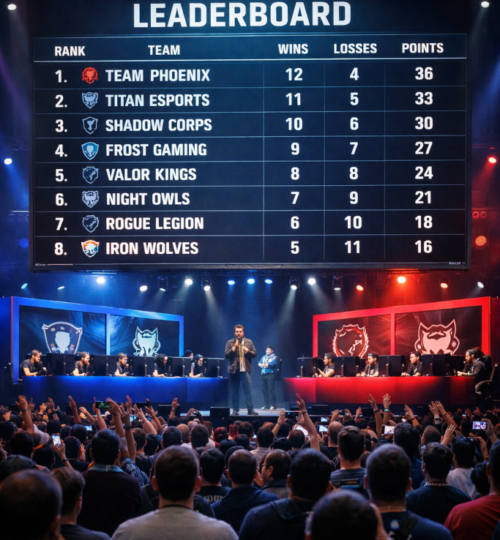
Few things in gaming stir emotion as reliably as a ranked match.
You queue up believing the next game will reflect your true skill.
For more than a decade, the gaming industry seemed locked in an arms race. Budgets ballooned. Marketing campaigns rivaled Hollywood.
In 2024 and 2025, generative artificial intelligence burst onto the gaming scene like a tidal wave. Today in 2026, that story is shifting.
Every few years, the same conversation circles back through the gaming community. A new graphics card launches. Benchmarks flood YouTube.
For the first time in a long time, it feels like gamers are not at the center of the gaming hardware universe.
For years, gaming laptops have walked a tightrope. Players wanted desktop class performance in a portable form factor, but physics pushed back.
Virtual reality has been labeled “the future of gaming” more times than most players can count.
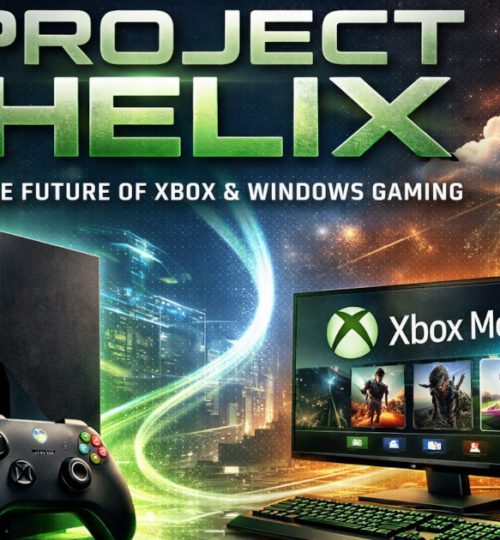
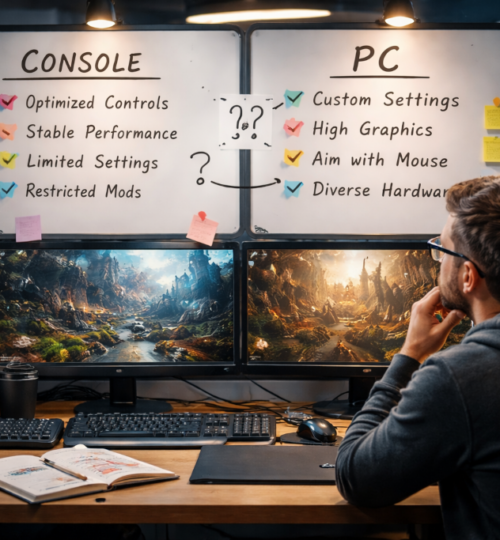
For decades, PC and console gaming followed largely separate paths. Consoles offered fixed hardware, standardized performance, and simplicity.
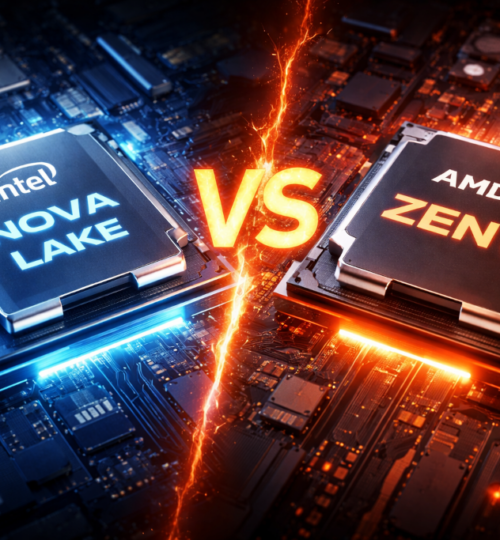
The PC hardware world runs on cycles of anticipation. Just as gamers and creators finally settle into a new generation of processors, the next wave starts looming on the horizon.
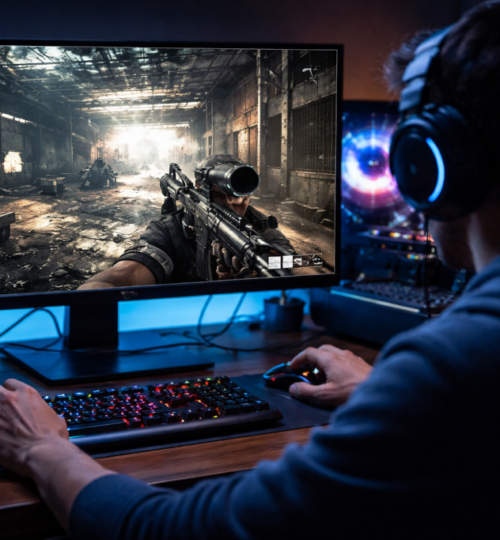
For PC gamers, frames per second is not just a number. It is the difference between a game that feels smooth and responsive and one that feels sluggish or inconsistent.
For as long as PC gaming has existed, cooling has been part of the conversation.
For many PC gamers, performance discussions tend to orbit around graphics cards, CPUs, and memory.