
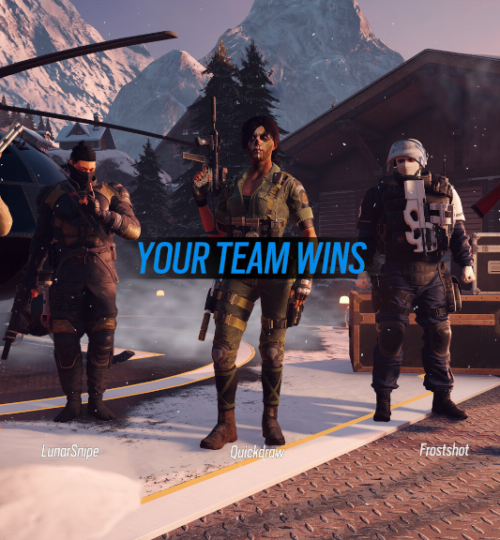
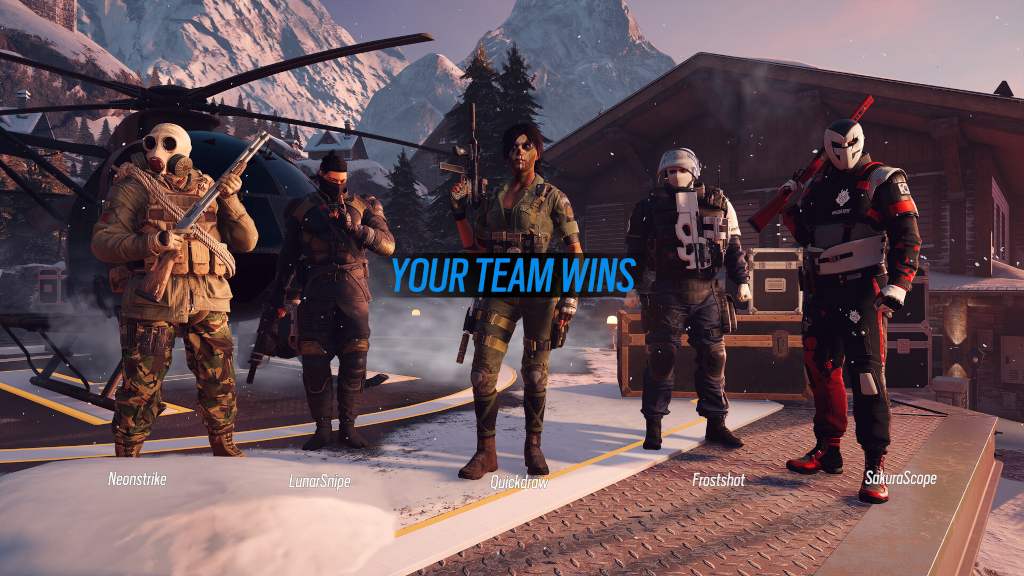
After more than a decade on the market, Tom Clancy’s Rainbow Six Siege continues to prove that tactical shooters can evolve without losing their identity. As Year 11 approaches, Ubisoft is taking one of its boldest crossover steps yet by introducing Solid Snake into the Siege universe.
For longtime players, Year 11 represents more than a seasonal refresh. It signals that Ubisoft intends to keep Siege at the forefront of competitive shooters even as newer titles compete for attention. For players who have never stepped into Siege’s methodical, high tension firefights, this crossover offers a compelling entry point.
Below is everything we currently know about Year 11, the expected timing, what Solid Snake brings to the battlefield, and why Siege remains one of the most distinctive multiplayer shooters available.
Year 11 Start Date and Release Timing
Ubisoft traditionally structures Rainbow Six Siege content into annual “Years,” each divided into seasonal operations. Based on established release patterns over the past several years, Year 11 is expected to begin in early March 2026. Historically, new Years launch shortly after the Six Invitational esports event, which typically concludes in February.
Season launches usually follow this pattern:
- Test Server availability one to two weeks before full release
- Full PC release around 9 AM Eastern Time
- Console rollout shortly after, often between 10 AM and 1 PM Eastern depending on certification
While official confirmation from Ubisoft provides the final word, Siege has been remarkably consistent with these timelines. Players can reasonably expect Year 11 content to go live globally during standard weekday morning deployment windows.
As with previous Years, content will likely roll out first to the Technical Test Server on PC, allowing balancing and bug fixes before full deployment across all platforms.
Who Is Solid Snake and Why This Matters
Solid Snake originates from the Metal Gear Solid franchise, one of the most influential stealth series in gaming history. Snake is known for infiltration, precision, and tactical discipline rather than brute force.
His arrival in Siege is more than cosmetic nostalgia. It represents a natural thematic alignment.
Rainbow Six Siege is built on:
- Careful positioning
- Audio awareness
- Gadget synergy
- Patience over aggression
Snake’s identity as a stealth operative fits seamlessly into that ecosystem. Unlike arcade shooters that reward raw reflexes above all else, Siege rewards planning and discipline. Solid Snake embodies those traits.
Ubisoft has increasingly embraced crossover operators and themed cosmetics in recent years, but this collaboration stands out because of how well the character aligns philosophically with Siege’s gameplay structure.
What Rainbow Six Siege Is for Newcomers
For players unfamiliar with Siege, here is the core concept.
Rainbow Six Siege is a 5v5 tactical first person shooter built around attack and defense rounds. Each match is divided into short, high stakes rounds where one team attempts to breach a fortified objective while the other team defends it.
Key pillars of the game include:
1. Destructible Environments
Walls, floors, and ceilings can be breached. Vertical play is common. Players often attack from above or below rather than simply pushing through doors.
2. Unique Operators
Each player selects an operator with unique gadgets and abilities. Some deploy drones, others reinforce walls, some provide intel, and others disrupt electronics.
3. One Life Per Round
There are no respawns during a round. Once eliminated, you observe through cameras or teammate perspectives. This creates tension that few shooters replicate.
4. Sound as a Weapon
Footsteps, gadget deployment, barricade breaks, and reload sounds all matter. Siege players learn to interpret audio cues like radar.
The result is a game that rewards strategy, teamwork, and communication far more than casual run and gun reflexes.
What Type of Gamer Siege Appeals To
Siege is NOT built primarily for:
- Arcade shooter fans who prefer fast respawns
- Players who enjoy chaotic 64 player battles
- Gamers looking for single player campaign experiences
It IS designed for:
- Competitive players who value ranked ladders
- Team oriented gamers who use voice communication
- Strategy minded players who enjoy layered mechanics
- Esports viewers who appreciate tactical depth
It also appeals strongly to players who enjoy learning systems over time. Siege has a learning curve. Map knowledge, operator interactions, and gadget counters require dedication. That complexity is part of its long term appeal.
For gamers who miss the era when teamwork determined victory more than kill streak bonuses, Siege feels refreshing.
How Solid Snake May Function in Siege
While Ubisoft carefully balances new operators to avoid disrupting competitive integrity, it is likely that Snake will fit within Siege’s established design philosophy.
Possible design directions include:
- Advanced stealth gadgetry
- Enhanced camera or reconnaissance capabilities
- Electronic countermeasures
- Tactical distraction tools
What is important is that Siege rarely introduces overpowered abilities without counters. The game thrives on layered interaction. For every gadget, there is usually another gadget that counters it.
Snake’s identity will likely emphasize infiltration and controlled engagements rather than brute force firepower.
Ubisoft’s Promotional Strategy and Global Expansion
Ubisoft has been deliberate in keeping Siege relevant in a crowded multiplayer market.
Several promotional strategies have defined recent Years:
1. Esports Integration
The Six Invitational remains one of the premier tactical shooter esports events globally. Ubisoft uses this stage to announce major yearly content drops.
2. Crossovers
Collaborations with recognizable franchises bring new eyes to Siege without fundamentally altering gameplay.
3. Regional Expansion
Ubisoft has been expanding its presence in Asia, including a stronger push into China’s gaming market. Through localized marketing, regional tournaments, and partnerships, Siege has positioned itself as a serious competitive title in emerging esports regions.
China represents one of the largest gaming audiences in the world. By tailoring marketing efforts and esports engagement to that market, Ubisoft is investing in long term sustainability.
4. Continuous Balance Updates
Unlike many shooters that rely on annual sequels, Siege operates as a live service model. Operators are reworked. Maps are adjusted. Weapon recoil patterns are tuned. Anti cheat measures are updated.
This steady iteration keeps the competitive environment healthy while preventing stagnation.
Why Siege Survived When Many Shooters Did Not
Since its 2015 release, many multiplayer shooters have come and gone. Siege endured for several reasons:
- It carved out a niche that few competitors replicated
- It committed fully to destructible tactical environments
- It invested in long term esports infrastructure
- It maintained a consistent update cadence
Rather than pivoting into battle royale trends or drastically altering its core identity, Siege refined its existing formula.
Year 11 reinforces that philosophy. Instead of reinventing the game entirely, Ubisoft continues to layer new content on a stable tactical foundation.
The Broader Significance of Year 11
Reaching an eleventh year is rare in competitive shooters.
In an industry where new titles launch annually and player bases fragment quickly, maintaining relevance for over a decade requires:
- Strong developer support
- Active community engagement
- Reliable infrastructure
- Balanced competitive systems
Solid Snake’s arrival is symbolic. It signals confidence. Ubisoft is not winding Siege down. It is amplifying it.
Cross franchise collaborations often represent a mature phase in a live service game’s lifecycle, where brand identity is strong enough to support external integrations without losing authenticity.
Who Should Jump In Now
If you are:
- A former tactical shooter fan from the early 2000s
- Someone who misses slower paced, communication heavy matches
- A competitive player who enjoys ranking systems
- A fan of stealth gameplay and the Metal Gear legacy
Year 11 offers a compelling time to enter or return.
New players will find a robust operator roster and refined matchmaking systems. Veterans will appreciate the layered strategies that only develop after years of balancing.
Final Thoughts
Rainbow Six Siege entering Year 11 is a testament to focused game design and consistent developer support. The introduction of Solid Snake is not just a cosmetic celebration. It is a thematic alignment between two franchises built on patience, discipline, and tactical execution.
As Year 11 launches in early March 2026, with typical morning Eastern Time deployment windows, players worldwide will step back into destructible arenas where every footstep matters.
For a game built on precision and planning, there may be no better crossover character than a legendary infiltration specialist.
And for those who value competitive structure, strategic depth, and teamwork driven victories, Siege remains one of the purest tactical multiplayer experiences available today.