
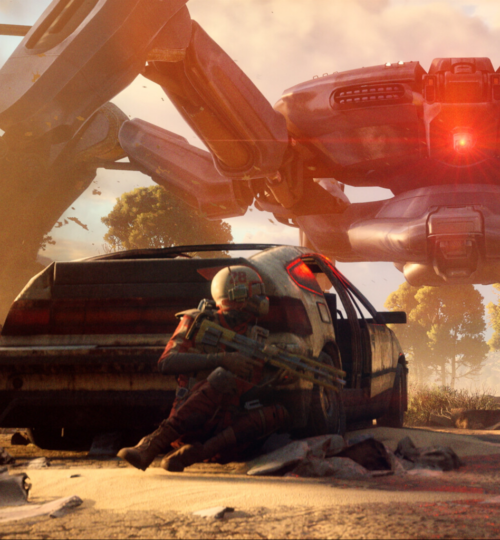
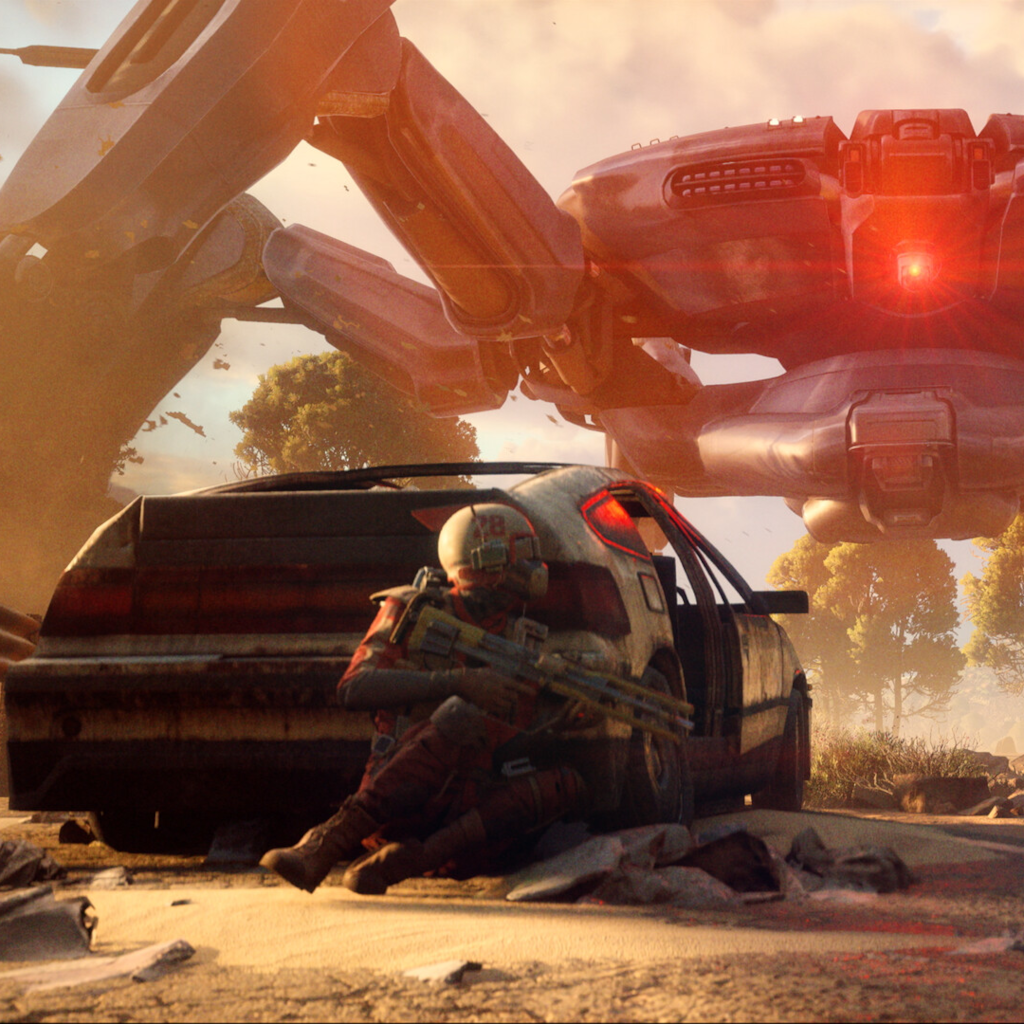
When I first dropped into Arc Raiders, it was immediately clear that this was not trying to be just another disposable multiplayer shooter chasing a trend. From the opening moments, the game signaled a deliberate tone: a world under pressure, a fragile human resistance, and machines that feel less like cannon fodder and more like an occupying force. As someone who has been playing since launch and following every major update, test, and balance pass, Arc Raiders has felt less like a finished product handed down to players and more like a conversation between developers and a growing community.
This perspective matters because Arc Raiders lives and dies by how it is experienced moment to moment. It is not a game you play in isolation from other people’s stories. Every raid becomes part of a shared narrative, retold through Discord chats, Reddit threads, and post-match breakdowns. That communal layer has shaped both how the game is received and how it continues to evolve.
The World and Storyline
Arc Raiders is set in a near future where humanity has retreated underground after an invasion by mysterious mechanical entities known as ARC. These machines are not just background enemies. They define the world’s rhythm. Cities lie in ruin, scavenging runs are dangerous by default, and survival depends on cooperation, preparation, and sometimes knowing when to disengage.
The player takes on the role of a Raider, a surface runner who ventures out from underground settlements to scavenge resources, fight ARC machines, and extract with whatever they can carry. The story is not delivered through long cutscenes or heavy exposition. Instead, it is environmental and emergent. Broken skylines, abandoned infrastructure, and the sheer scale of ARC enemies all communicate a sense of loss and ongoing resistance.
This storytelling approach has been one of the most consistently praised aspects of the game. Players often comment that the world feels believable without being overly verbose. The lack of hand-holding allows players to fill in the gaps themselves, which has led to a lot of theory crafting within the community about where ARC came from and whether humanity’s resistance is actually sustainable in the long term.
Core Gameplay Loop
At its heart, Arc Raiders blends cooperative PvE with high-stakes extraction mechanics. You drop into a map either solo or with a squad, complete objectives, scavenge gear, fight ARC units, and then attempt to extract safely. Failure means losing what you brought in and what you collected.
The ARC enemies are not trivial. Even smaller units can punish careless play, and larger machines require coordination, positioning, and resource management. This is where the game differentiates itself from more arcade-style shooters. Combat rewards patience and awareness rather than constant aggression.
From launch, many players appreciated that fights against ARC felt tense rather than routine. Community discussions frequently highlight moments where squads barely survived an encounter or had to abandon valuable loot just to make it out alive. These stories have become a major part of the game’s identity.
Community Reception at Launch
At launch, Arc Raiders received a wave of cautious optimism. Many players were intrigued by its atmosphere and cooperative focus, especially those who were looking for something less competitive and less twitch-driven than traditional PvP shooters.
Positive feedback focused heavily on three areas:
- First, the enemy design. ARC machines feel threatening at all levels. Players praised how enemy behavior encourages teamwork and situational awareness.
- Second, the visual and audio design. The sound of distant machines, the echo of gunfire through ruined cityscapes, and the subtle environmental cues all contribute to immersion. Many community members have described the game as tense even during quieter moments.
- Third, the cooperative emphasis. Unlike games where co-op feels optional, Arc Raiders makes collaboration feel natural and necessary. Even solo players often comment that the game feels designed with squads in mind.
That said, the launch period was not without criticism.
Common Criticisms and Friction Points
One of the most frequent complaints early on was pacing. Some players felt that progression was slower than expected, especially for those who could not dedicate long sessions. Losing gear on failed extractions could feel punishing, particularly for newer players still learning enemy behaviors.
Balance was another point of contention. Certain ARC enemies were widely viewed as overtuned in early builds. Community feedback often mentioned sudden difficulty spikes that felt less like a challenge and more like a wall. To the developers’ credit, these concerns were acknowledged quickly, and balance adjustments followed in subsequent updates.
Another debated topic was long-term replayability. While the core loop was praised, some players worried that without frequent content updates, the experience might become repetitive. This sparked ongoing discussions about future maps, enemy variants, and narrative expansion.
Evolution Through Updates
What has kept many long-term players engaged is how Arc Raiders has responded to community feedback. Updates have consistently addressed major pain points without undermining the game’s core identity.
Difficulty adjustments have smoothed out early progression, making the onboarding experience more forgiving while preserving high-end challenge. Quality-of-life improvements such as clearer enemy cues and more readable UI elements have also been well received.
The developers have also leaned into transparency, often explaining why certain changes were made. This openness has helped build trust within the community, even when not everyone agrees with every decision.
What Players Love Today
As of now, the most commonly praised elements remain consistent with launch impressions.
The atmosphere continues to be a standout. Players often describe sessions where tension builds naturally, without artificial pressure. The sense that anything can go wrong keeps even familiar maps feeling dangerous.
Team dynamics are another highlight. Community stories frequently emphasize clutch revives, last-second extractions, and moments where coordination saved an otherwise doomed run. These experiences are shared widely and help draw new players in.
Finally, there is a growing appreciation for the game’s restraint. Arc Raiders does not overload players with constant rewards or flashy systems. For many, this makes each successful extraction feel meaningful.
Ongoing Concerns
Despite improvements, some concerns persist. Content cadence remains a hot topic. Players want reassurance that new maps, enemies, and narrative elements will continue to arrive at a steady pace.
There are also discussions about accessibility. While the game has become more approachable, it still demands patience and learning. Some players worry this could limit its broader appeal, especially in a market saturated with more immediately gratifying experiences.
A Personal Take From a Long-Term Player
From my perspective, Arc Raiders feels like a game built with intention rather than trend-chasing. It does not try to be everything at once. Instead, it commits to a specific tone and experience, trusting players to meet it on its own terms.
The community response reflects this. Those who click with the game tend to become vocal advocates, sharing stories and feedback that help shape its future. Those who bounce off it often cite pacing or difficulty, which are valid concerns but also part of what defines the experience.
Looking Ahead
Arc Raiders occupies an interesting space in modern gaming. It sits between traditional co-op shooters and more hardcore extraction games, offering a slower, more atmospheric alternative. Its reception shows that there is still an audience for games that prioritize tension, teamwork, and world-building over constant spectacle.
As someone who has been playing since launch, the most encouraging sign is not any single feature but the ongoing dialogue between developers and players. If that relationship continues, Arc Raiders has the potential to grow into something enduring rather than fleeting.
In a landscape where many games burn bright and disappear quickly, Arc Raiders feels like it is trying to build a legacy one raid at a time.