The $70 Standard Is Dead: Why Games in 2026 Range From $49.99 to $100 Premium Editions
For several years, the games industry appeared to be settling into a simple new rule.
Analysis of the gaming industry
For several years, the games industry appeared to be settling into a simple new rule.
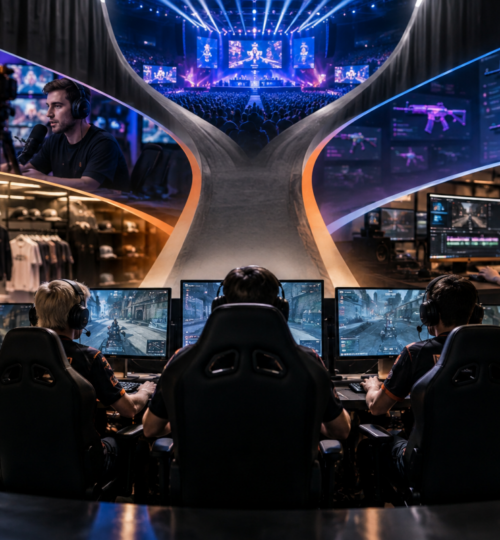
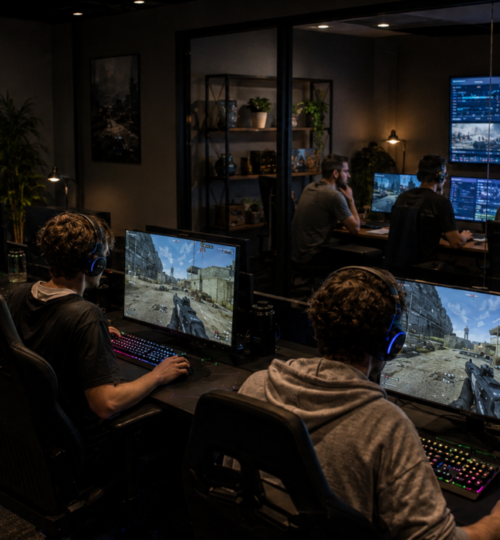
For much of the last esports investment boom, the business plan sounded simple enough.
A live-service game can survive a rough launch, a bad season, or a controversial balance patch. It has a much harder time surviving the slow removal of the people who keep it running.
The PlayStation blackout begins on August 23, 2026, with a simple demand: for one week, participating players are being asked to stop logging into PlayStation Network, stop playing on PlayStation platforms, and stop spending money in Sony’s gaming ecosystem.
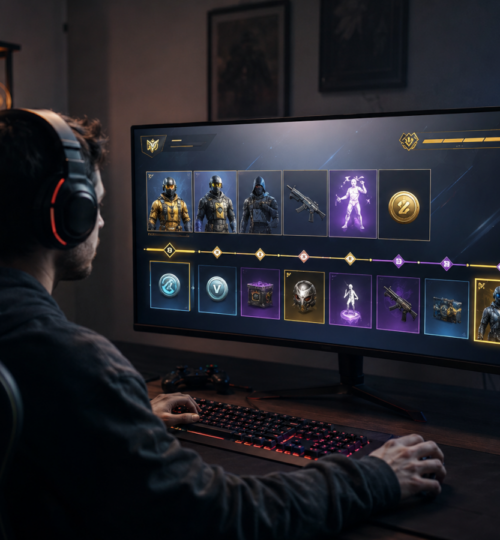
Battle passes were supposed to be the cleaner alternative to loot boxes.
There was a time when a multiplayer game’s release date represented a fairly clear dividing line.
The game business has spent several years describing layoffs, canceled projects, studio closures, and reorganizations as corrections after pandemic-era expansion.
Action RPGs are eating the market because they solve a problem the industry has been wrestling with for years.
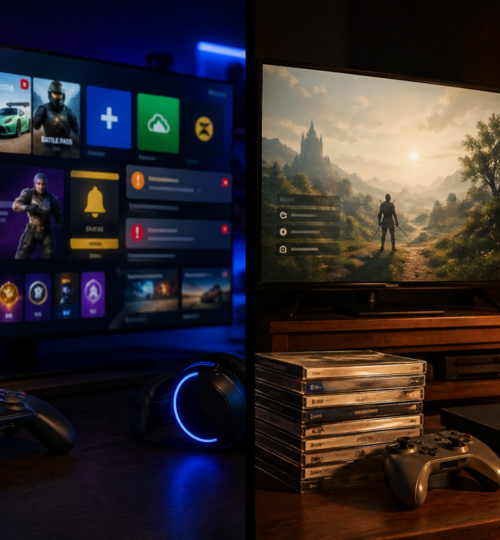
Gaming did not wake up one morning and suddenly become digital. The industry walked us here one storefront, one launcher, one battle pass, one shutdown, and one “license agreement” at a time.
The fight is no longer just about game size. The old split between indie studios and major publishers used to feel simple. Small teams made weird, risky, personal games.
The $70 era was only the opening move. For years, the video game industry treated the $59.99 boxed release like sacred ground.
The line between “App” and “Game” is getting blurry. For years, gamers understood the difference between a web app and a native game without needing a technical explanation.
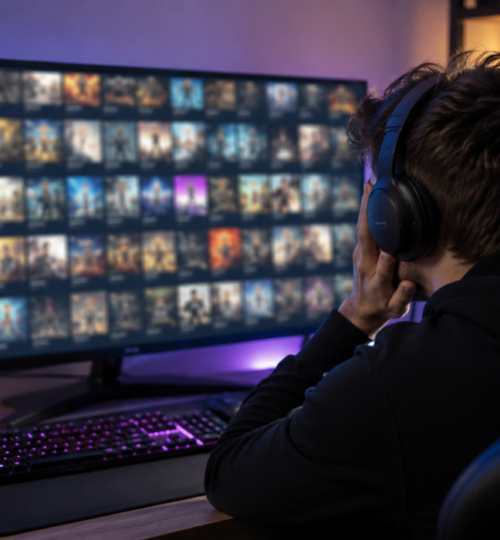
The new backlog is a billing cycle. For years, gamers talked about the backlog like it was a shelf problem. Too many discs. Too many Steam sale pickups.
For years, the gaming industry has pushed forward under a simple assumption: players will keep paying.
The gaming industry in 2026 sits at a fascinating crossroads. On one side are mega-corporations with billion-dollar budgets, global marketing machines, and access to cutting-edge technology.