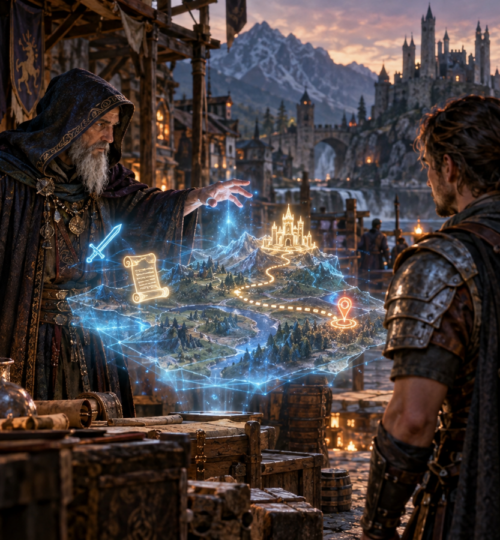
The AI Writer’s Room: Should NPCs Be Allowed to Improvise Their Own Quests?
For most of gaming history, an NPC could surprise players only inside a box that a designer had already built.
Artificial Intelligence
For most of gaming history, an NPC could surprise players only inside a box that a designer had already built.
A competitive ladder only works if players believe the result on the screen came from the match they just played.
Competitive practice has always depended on the quality of the opponent.
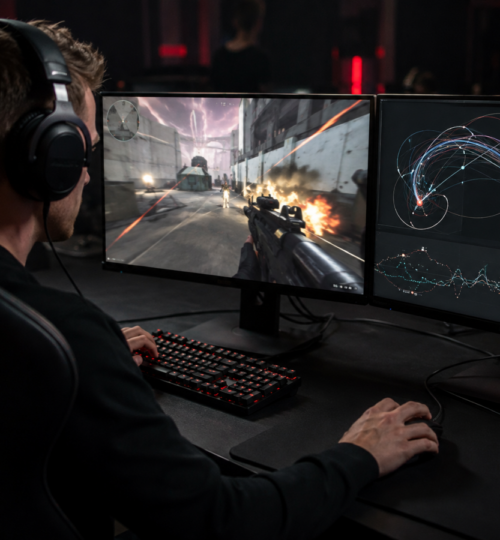
Competitive anti-cheat has spent years getting better at spotting the impossible.
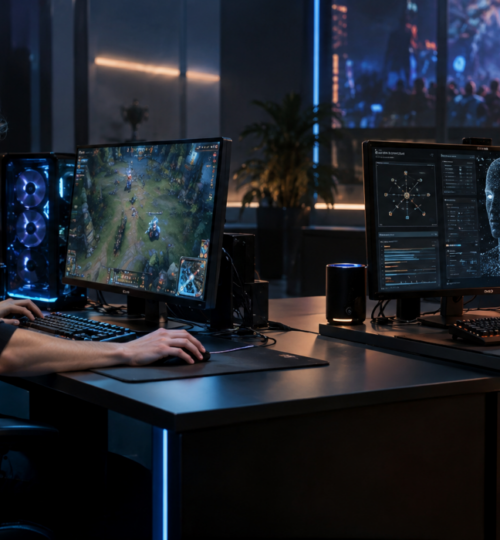
Competitive gaming has spent years teaching players to accept machine judgment in one narrow area: cheating.
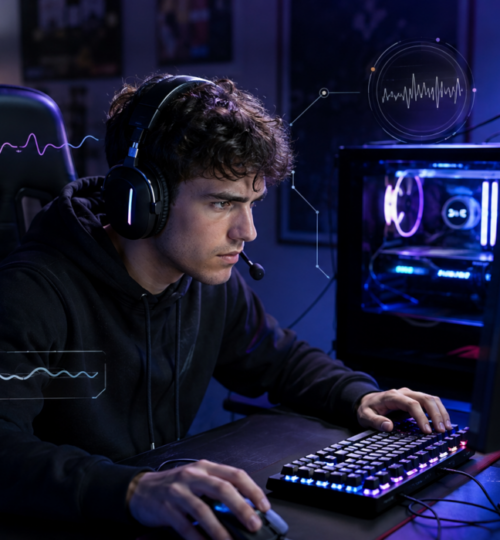
For most of online gaming history, anti-cheat has been built around a familiar hunt: identify the cheat software, detect the hook, catch the injected code, find the altered memory, or match a known signature and then remove the account.
Artificial intelligence has already entered gaming, but not in the form most players were promised.
Game cheating has never required honorable craftsmanship. It has always attracted people willing to copy code, resell private builds, steal from rivals, and disappear when customers get banned.
Gaming has always stolen from serious computing before the rest of the culture noticed. Early multiplayer borrowed from university networks.
Competitive gaming has always lived in the gray zone between skill, preparation, hardware, and rule enforcement.
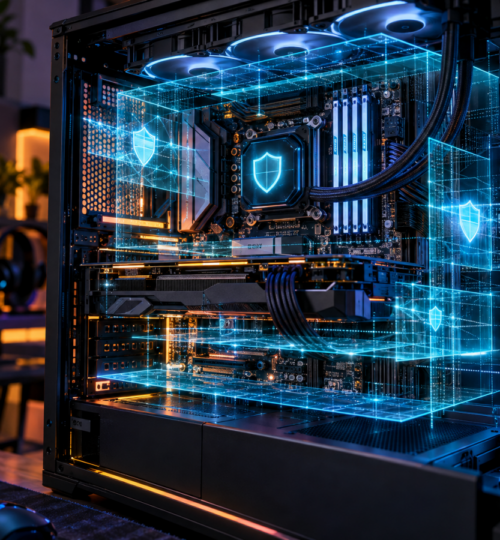
For most of PC gaming history, the machine was judged by a simple question. How well does it run the game?
For most of the modern internet, the deal was simple: websites created useful content, search engines indexed it, and users clicked through when they wanted answers.
For years, artificial intelligence in games was mostly discussed as a design feature.
AI is no longer just a feature inside games. It is becoming part of the machinery that decides how games are built…
Every major era of PC gaming has been shaped by a hardware shift. The jump from software rendering to dedicated 3D accelerators changed what games could look like.