Unionization in Game Development: The Aftermath of the 2025 Labor Movements
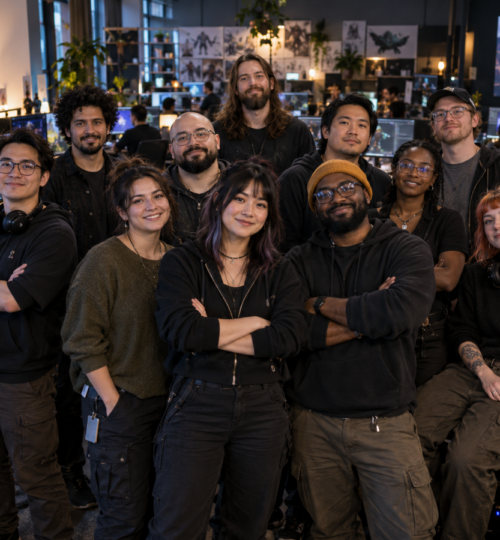
The people responsible for building and maintaining some of gaming’s biggest franchises have spent years confronting an uncomfortable reality.
Game development trends.
The people responsible for building and maintaining some of gaming’s biggest franchises have spent years confronting an uncomfortable reality.
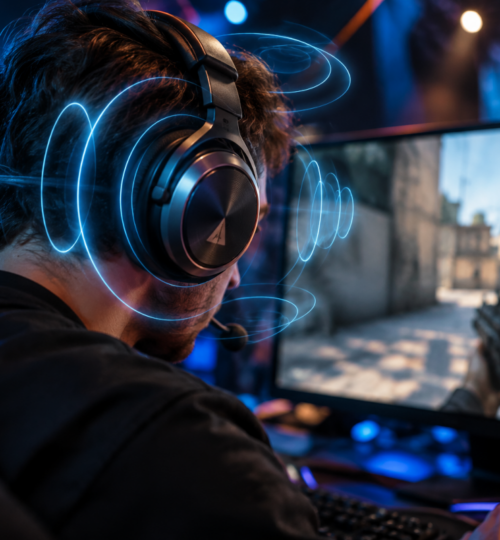
In a tactical shooter, a footstep can carry as much information as a player model appearing on-screen.
For years, survival games treated other players as part of the environment.
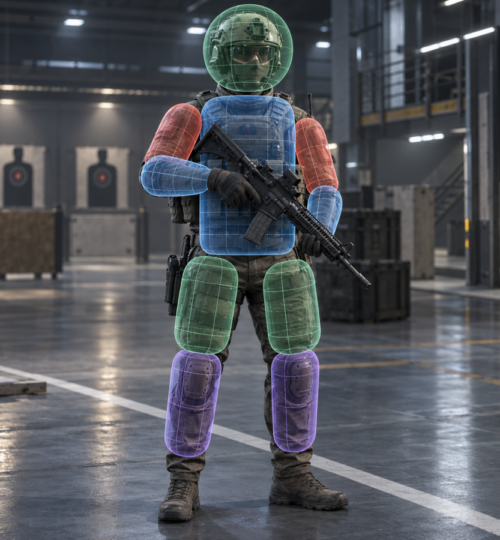
A shot can look perfect on screen and still miss by centimeters in the simulation.
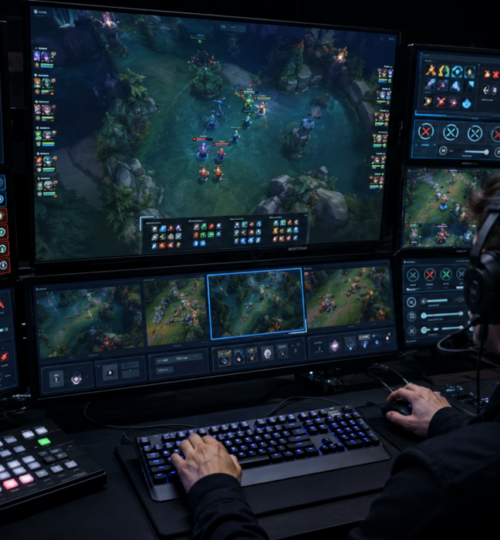
For years, competitive games often treated spectating as a secondary layer. That model still exists, but the direction of travel is changing.
Limited-run betas are strange little windows. Everyone knows the build may be unfinished, progression may vanish, balance may change, and servers may buckle under the load, yet competitive players still recognize the value immediately.
Competitive games are built on a contradiction.
The hero shooter stopped being a two-game conversation in 2026. For years, most debates around ability-driven competitive shooters circled the same pair.
For years, competitive multiplayer gaming appeared to belong almost exclusively to giant publishers.
For years, ranked play was treated like a reward for patience.
Multiplayer games fail in ways that single-player software rarely does. A weapon can behave correctly on one machine and still produce a different result on the server.
Game releases used to feel cleaner. A title launched, players judged it, patches followed, and the community either stayed or moved on.
Downloadable content can bring players back. Mods can keep them there for years. That is the difference most publishers still underestimate.
Modern gaming has changed the way communities form, compete, and survive.
Cross-progression has become one of those features players now notice most when it is missing.