Multi-Monitor Management: Essential Tools for Streamers and Power Users
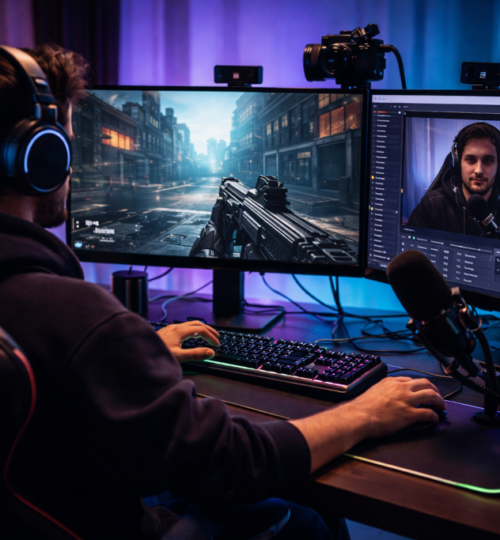
Multi-monitor setups have evolved from a niche luxury into a core part of serious gaming and streaming environments.
Hardware
Multi-monitor setups have evolved from a niche luxury into a core part of serious gaming and streaming environments.
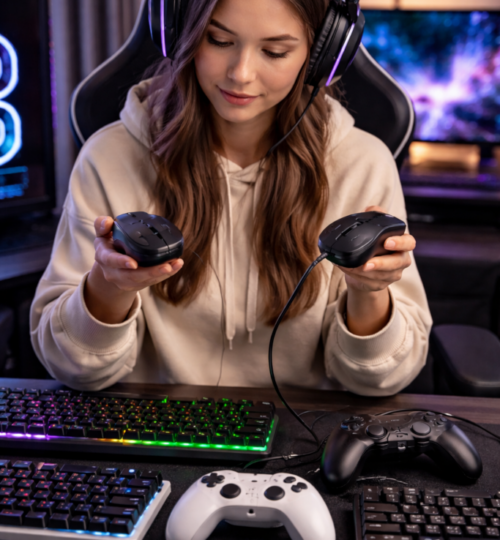
For years, the conversation around gaming peripherals has followed a familiar pattern. Wired equals reliable. Wireless equals convenient.
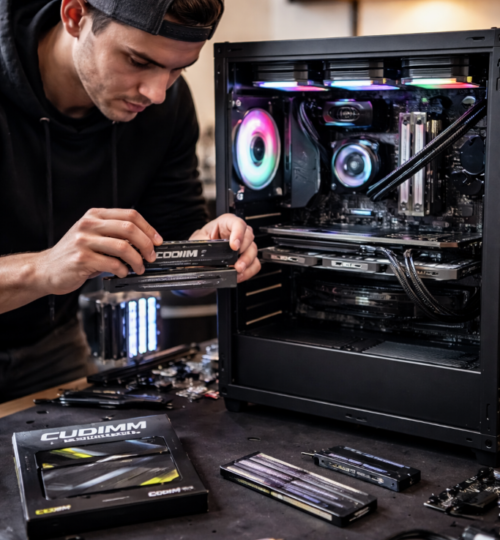
The PC hardware space rarely stands still, but every so often a shift arrives that feels less like an upgrade and more like a crossroads.
For decades, many consumers have shared a quiet suspicion about modern electronics: devices do not seem to last as long as they used to.
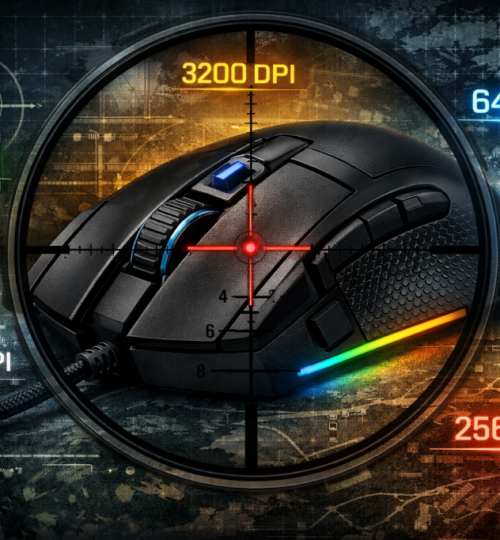
Few specs in PC gaming have been pushed harder in marketing than mouse DPI. Walk into any retailer or browse a hardware page and you will see numbers that climb into the stratosphere.
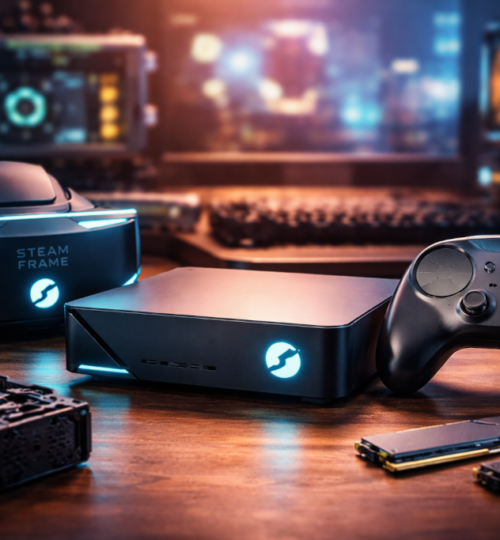
Valve has officially broken its silence on the next wave of Steam hardware.
For the first time in a long time, it feels like gamers are not at the center of the gaming hardware universe.
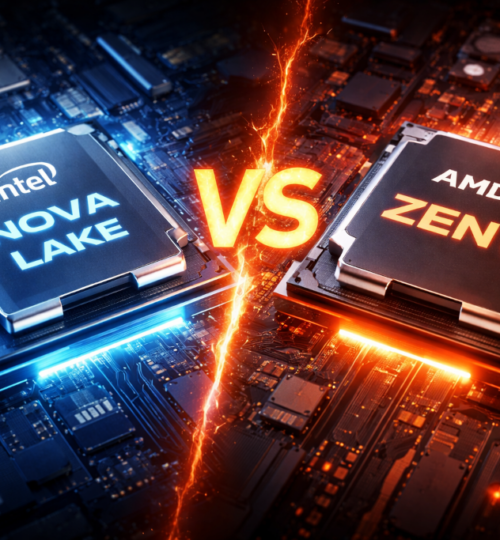
The PC hardware world runs on cycles of anticipation. Just as gamers and creators finally settle into a new generation of processors, the next wave starts looming on the horizon.
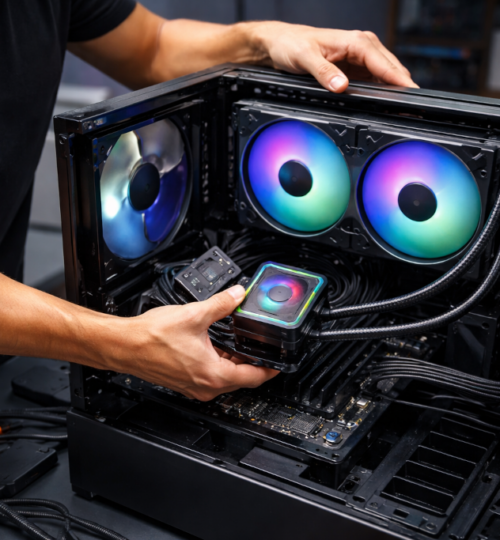
For as long as PC gaming has existed, cooling has been part of the conversation.
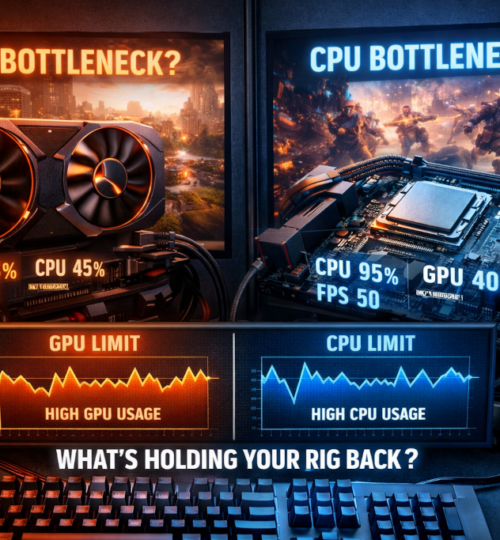
Few topics spark more debate in PC gaming than performance bottlenecks. One player swears their graphics card is being wasted.
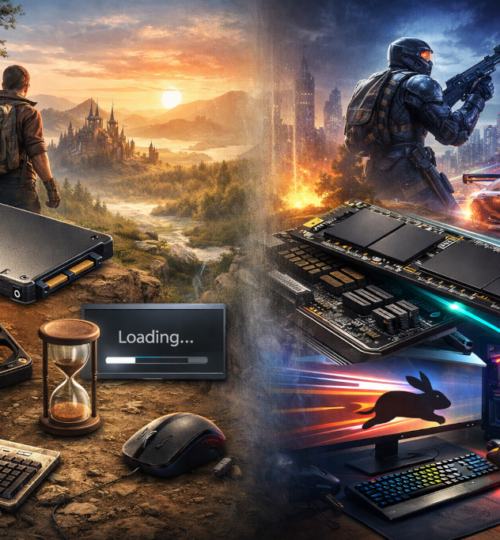
For PC gamers, storage upgrades are often marketed as one of the most dramatic performance improvements you can make.
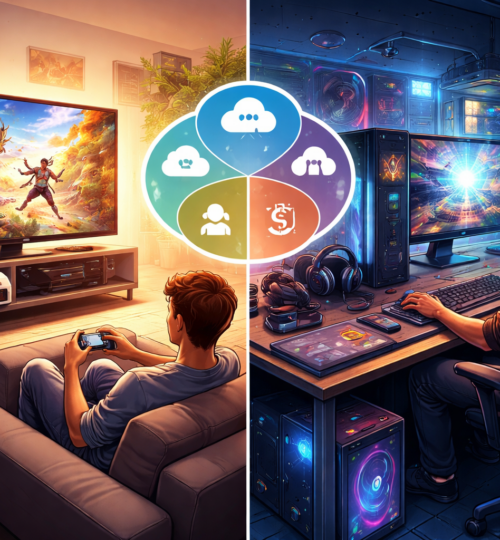
For decades, the console vs PC debate has been framed as a rivalry fueled by tribal loyalty, spec sheets, and internet arguments that rarely evolve.