The Biggest Multiplayer Game Launches of Q3 2026
The third quarter of 2026 has become one of the strangest release periods in recent gaming history. July, August, and September are normally used to build momentum toward the crowded holiday season.
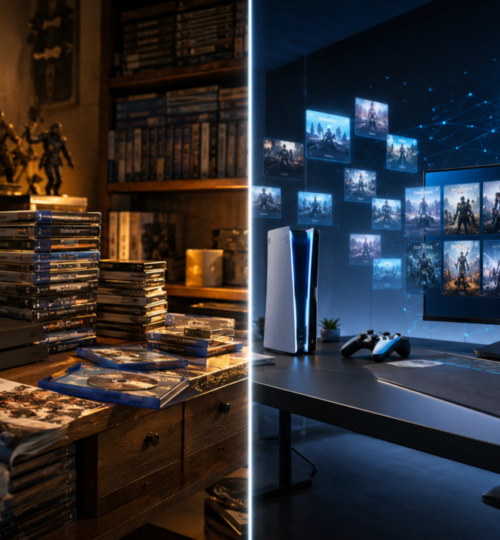
The disc drive is becoming optional hardware. Sony sells a PlayStation 5 Digital Edition without an optical drive, though compatible models can be expanded with a separately purchased drive.
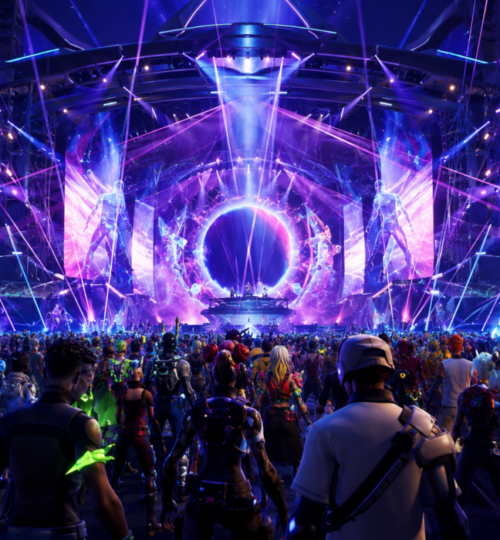
In-game concerts used to sound like a novelty feature, the kind of thing a publisher might try once for press attention before returning to normal seasonal content.
The fight is no longer just about game size. The old split between indie studios and major publishers used to feel simple. Small teams made weird, risky, personal games.
Sony Santa Monica has finally pulled the curtain back on God of War Laufey, and the reveal does something the series has been quietly preparing for since the 2018 reboot.
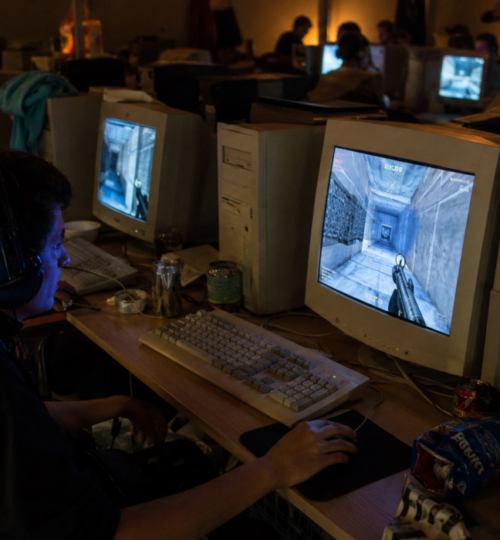
If you look closely at the multiplayer landscape in 2026, something interesting is happening. A surprising number of classic games from the early 2000s, and the surrounding legacy era, are not only still playable, but still populated.
For most of the modern internet, the deal was simple: websites created useful content, search engines indexed it, and users clicked through when they wanted answers.
Computex 2026 made something very clear: Nvidia no longer wants to be seen as just the company inside your gaming PC. It wants to become the platform your PC is built around.
Something interesting is happening across the industry: co-op games are becoming cool again.
Gaming is not only about the grind anymore. For decades, online gaming culture was built around pressure.
QuakeCon 2026 is shaping up to be more than another annual gathering. It is a milestone moment for one of PC gaming’s most enduring community institutions.
California’s AB 1921, better known by supporters as the Protect Our Games Act, just took a major step forward.
For years, artificial intelligence in games was mostly discussed as a design feature.
The best multiplayer communities have always known something that the wider entertainment world took years to admit: games are not just games anymore.