The 120Hz Squeeze: How Mid-Generation Consoles Are Chasing Competitive Performance
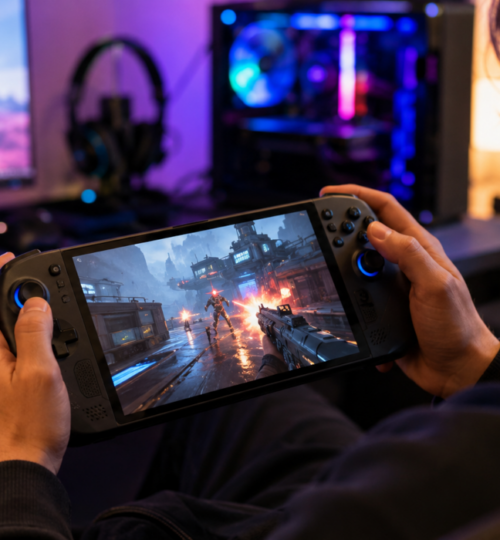
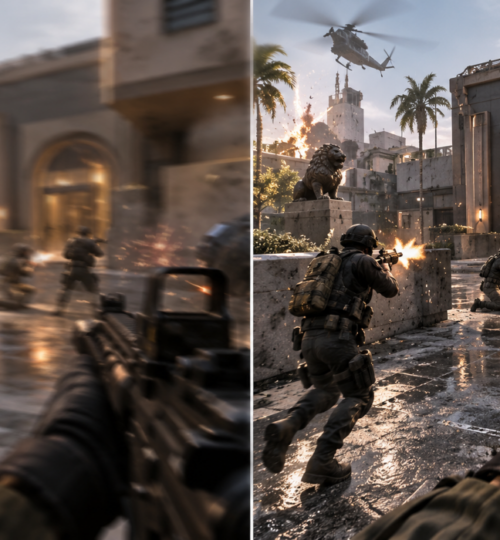
For competitive console players, 120Hz stopped being a luxury feature a while ago.
For competitive console players, 120Hz stopped being a luxury feature a while ago.
Ranked modes are built around a simple promise: play well, improve, and the ladder will eventually reflect your level.
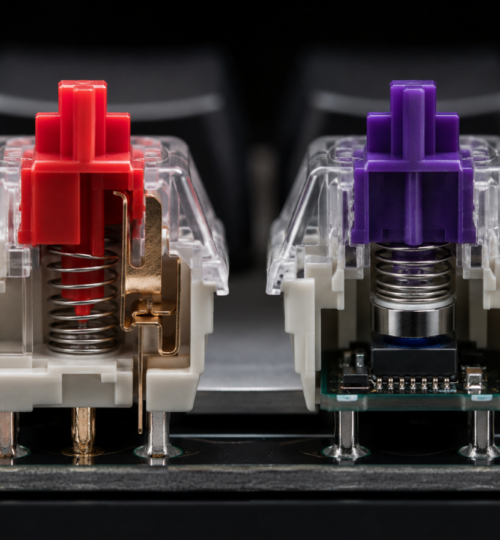
For years, the competitive gaming keyboard formula barely changed.
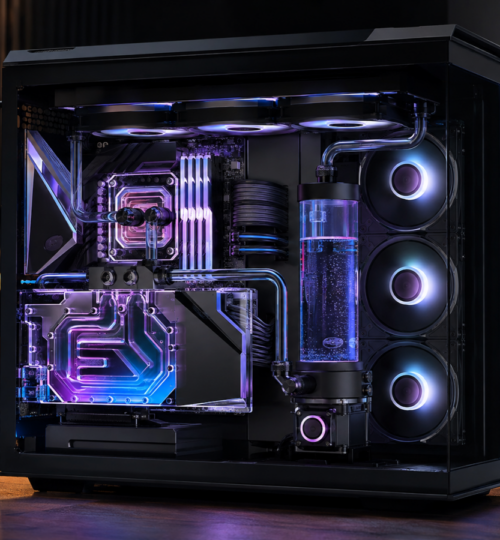
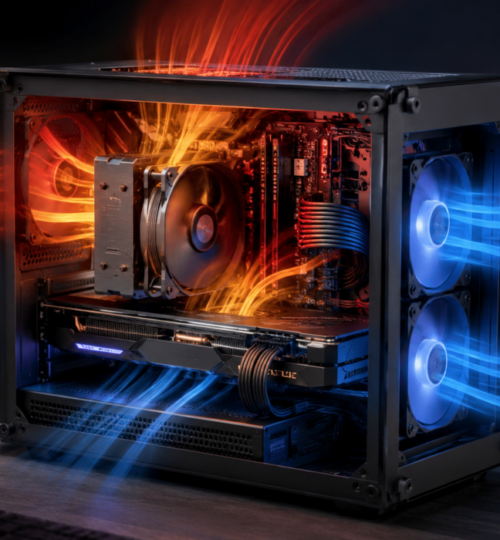
The thermal problem at the top end of PC gaming has changed from “keep the GPU reasonably cool” to “move several hundred watts of heat out of one small area without turning the entire system into a hot box.”
For most of PC gaming history, serious competitive play came with an unwritten hardware requirement.
For years, the basic punishment loop in online gaming was painfully predictable. A player cheated, the publisher banned the account, and the same player returned under a fresh username before the evening was over.
Competitive games are built on a contradiction.
Palworld’s early-access explosion was easy to understand. It took creature collecting, survival crafting, automated production, open-world exploration, and third-person gunplay, then smashed them together with almost no concern for genre purity.
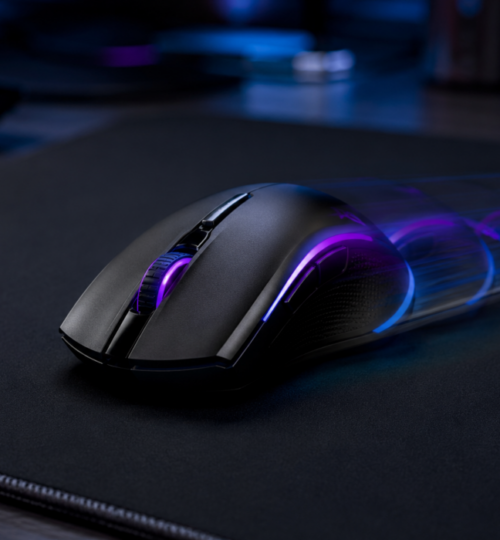
Gaming mouse manufacturers spent years fighting over sensor resolution.
The hero shooter stopped being a two-game conversation in 2026. For years, most debates around ability-driven competitive shooters circled the same pair.
For years, competitive multiplayer gaming appeared to belong almost exclusively to giant publishers.
The Esports World Cup has returned for its third year, but almost everything surrounding the 2026 edition feels bigger.
Action RPGs are eating the market because they solve a problem the industry has been wrestling with for years.
Compact gaming PCs used to feel like compromise machines. They looked sharp on a desk, traveled well, and saved space, but they often came with a catch.
The RAM market was already ugly before lawyers got involved. Prices have been climbing, availability has been strange, and PC builders have been staring at memory kits like they suddenly became luxury parts.