
Why Cross-Play Is Changing Competitive Gaming Forever
For decades, competitive gaming lived inside carefully guarded walls. PC players competed with PC players. Console players stayed in their own ecosystems.
Personal Computer
For decades, competitive gaming lived inside carefully guarded walls. PC players competed with PC players. Console players stayed in their own ecosystems.
There was a time when building your own gaming PC was almost a rite of passage.
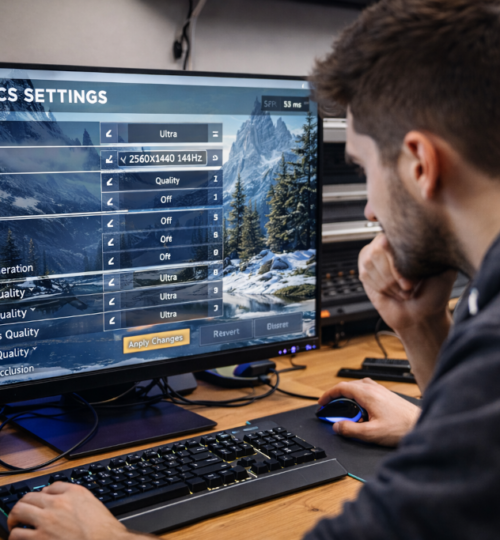
Modern PC gaming is in a strange place. Graphics look better than ever, but hardware demands have climbed faster than many players can reasonably upgrade.
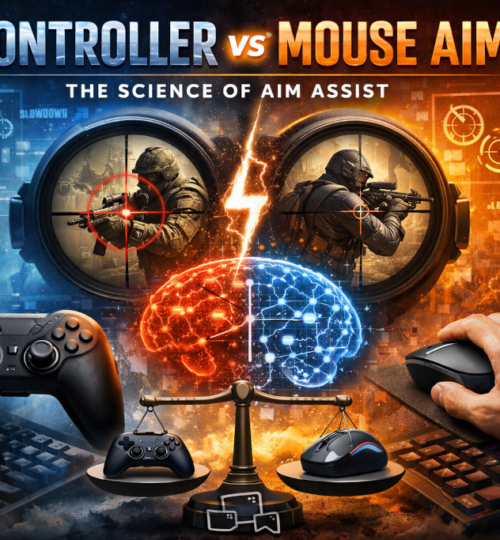
Few topics in modern gaming spark debate as consistently as the question of controller aim versus mouse aim.
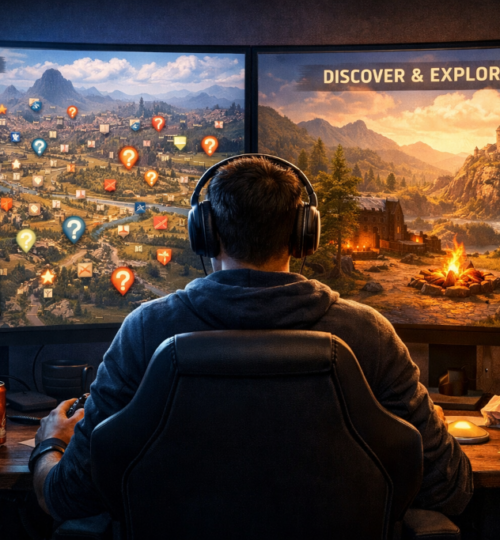
For more than two decades, open world games have represented a promise. Vast landscapes. Total freedom.
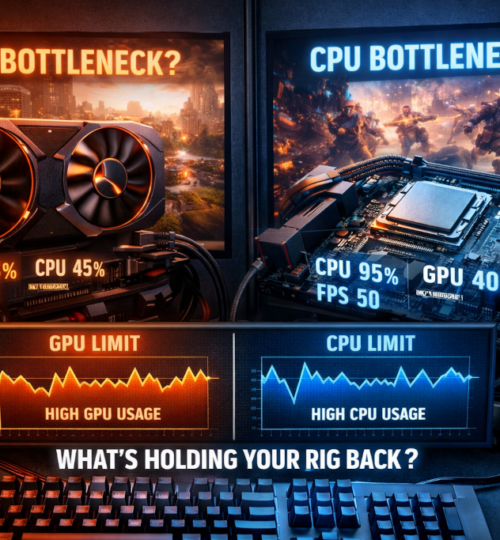
Few topics spark more debate in PC gaming than performance bottlenecks. One player swears their graphics card is being wasted.
For decades, the global technology supply chain followed a rhythm that gamers, PC builders, console manufacturers, and even retailers could rely on.
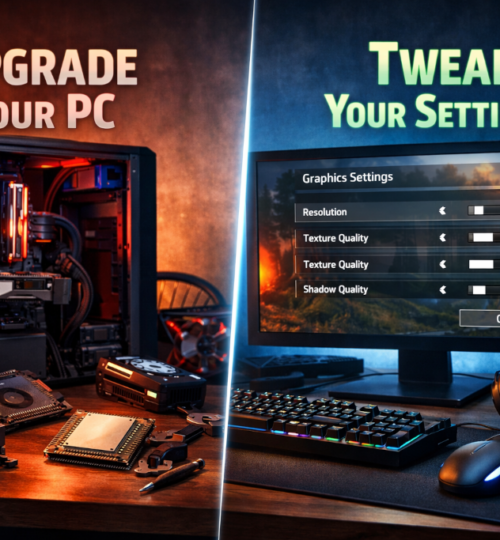
PC gaming has always lived at the intersection of performance, customization, and choice. Unlike consoles, a gaming PC is never truly finished. It evolves.
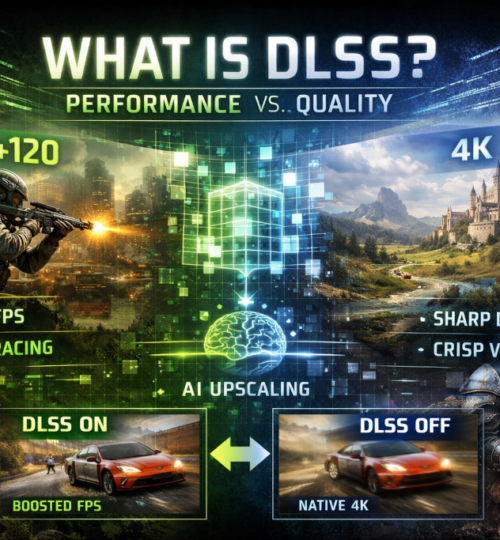
Few graphics features in modern PC gaming generate as much discussion as DLSS.
For most of its history, PC gaming has thrived on a simple promise. If you were willing to learn, tinker, and upgrade over time, you could get better performance, more flexibility, and longer system lifespans than any closed console platform could offer.
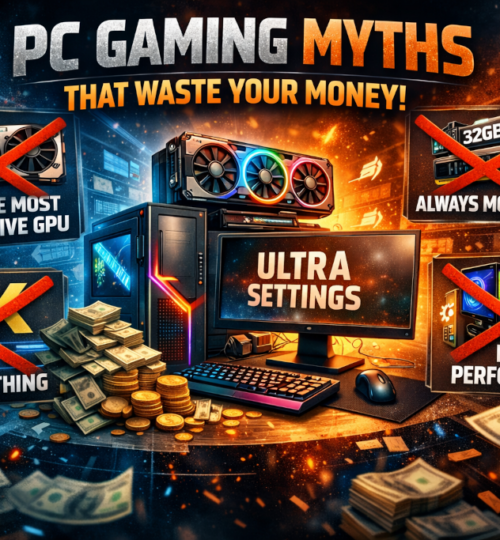
PC gaming has always been a space where performance, customization, and personal preference collide. It is also a space where misinformation spreads fast.
Ray tracing has become one of the most talked about graphics features in modern gaming. It is showcased in trailers, highlighted on GPU boxes, and used heavily in promotional screenshots.
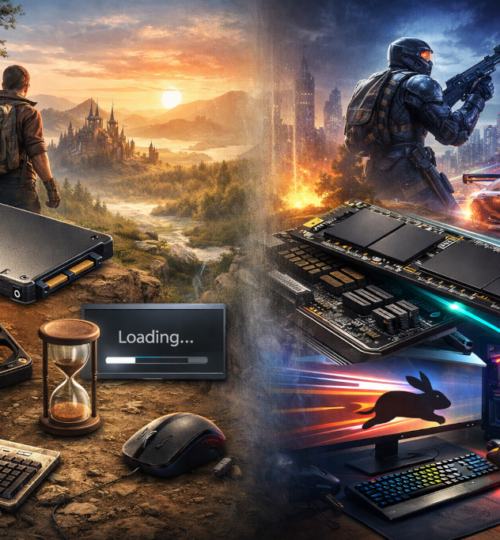
For PC gamers, storage upgrades are often marketed as one of the most dramatic performance improvements you can make.
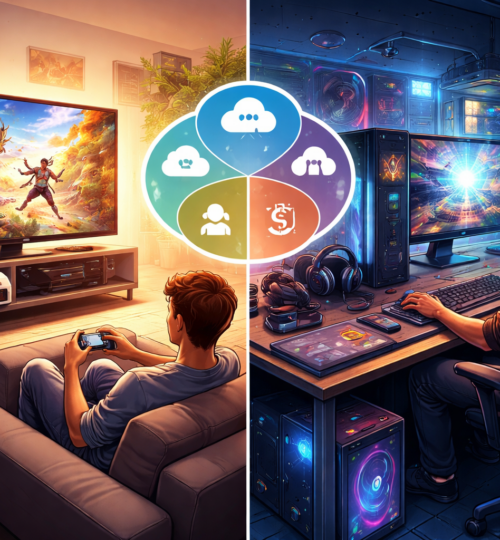
For decades, the console vs PC debate has been framed as a rivalry fueled by tribal loyalty, spec sheets, and internet arguments that rarely evolve.