When Star Wars Battlefront released in 2004, it offered something that fans of the Star Wars universe had imagined for decades but rarely experienced in games. Instead of placing players into the role of a single hero, the game invited them to step directly into the massive battles that defined the Star Wars saga. The focus shifted from cinematic storytelling to the chaos of large scale warfare. Infantry, vehicles, starfighters, and strategic objectives all collided on iconic worlds from across the galaxy.
Developed by Pandemic Studios and published by LucasArts, the original Star Wars Battlefront (2004) arrived during a time when multiplayer shooters were rapidly evolving. Online play was gaining popularity, LAN communities were thriving, and large battlefields filled with players were becoming the next frontier for competitive gaming. Battlefront stepped directly into that moment and delivered a Star Wars experience that felt both authentic and expansive.
More than two decades later, the game still holds a special place in gaming history. Its design captured the fantasy of being a soldier in the Galactic Civil War or the Clone Wars, and it did so with a simplicity and accessibility that made it easy for anyone to jump into the fight.
A Battlefield in a Galaxy Far, Far Away
 The core concept of Star Wars Battlefront was straightforward but powerful. Instead of focusing on a scripted campaign or a single protagonist, the game simulated large scale conflicts between two factions. Players spawned as infantry units on maps inspired by famous Star Wars locations and fought to capture command posts scattered across the battlefield.
These command posts acted as both spawn points and strategic objectives. Controlling more command posts allowed a team to deploy closer to the front lines while slowly draining the enemy’s reinforcement pool. Once a team ran out of reinforcements or lost all command posts, the battle ended.
This simple structure created battles that felt dynamic and unpredictable. The front lines could shift rapidly. A coordinated push toward an enemy command post could turn the tide of the entire match. Players constantly had to decide whether to defend their territory, reinforce allies, or launch an offensive.
The system encouraged teamwork even without voice communication. Players naturally gravitated toward objectives and vehicles, creating moments that felt surprisingly cinematic.
Iconic Battlefields from the Star Wars Universe
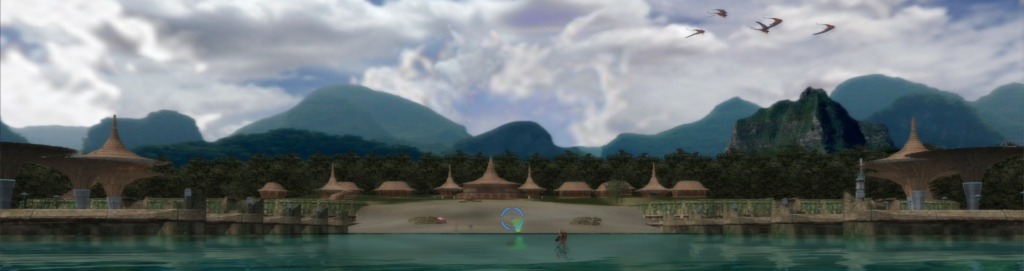
One of the greatest strengths of Star Wars Battlefront was its map design. Each battlefield was inspired by locations that fans recognized instantly.
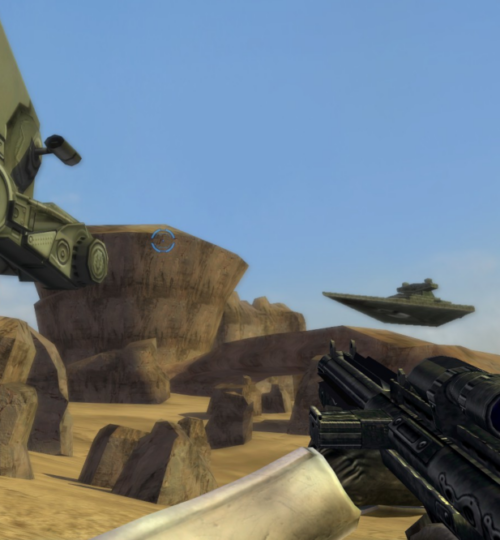
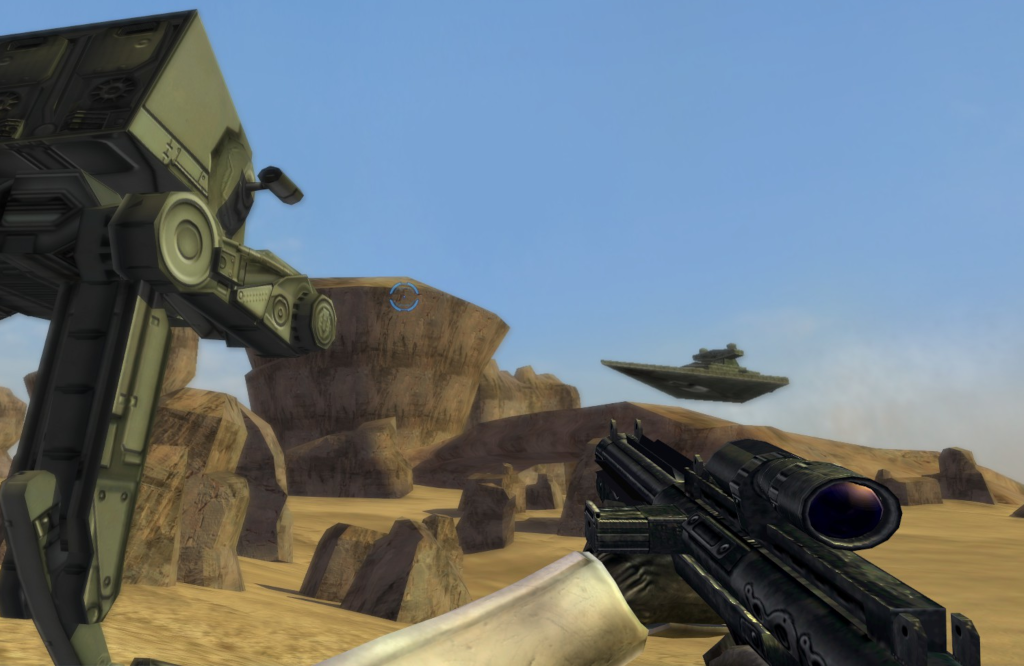
Players could fight across the forests of Endor, navigate the icy terrain of Hoth, storm the dunes of Tatooine, or clash inside the industrial corridors of Bespin. The environments were not just visual backdrops. They influenced how battles unfolded.
On Hoth, long sight lines encouraged sniper play and vehicle combat. AT AT walkers slowly advanced across the frozen plains while Rebel forces attempted to intercept them. In the dense forests of Endor, infantry combat dominated as players used natural cover to flank enemies.
The variety kept the game fresh. Each location offered a different tactical experience while still maintaining the core objective driven gameplay. Even today, many of these maps remain some of the most recognizable environments in Star Wars gaming.
Classes That Defined the Front Line
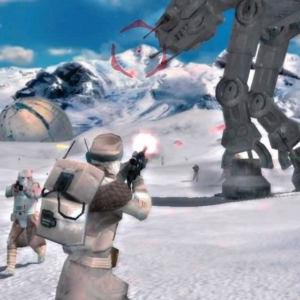 Battlefront’s class system provided players with different roles on the battlefield. Each faction featured several soldier types, each designed for a specific purpose.
The standard infantry class served as the backbone of any assault. Equipped with a blaster rifle and thermal detonators, they were versatile and effective in most situations.
Heavy weapons units carried rocket launchers capable of destroying vehicles and turrets. These soldiers were essential for countering armored threats but required careful positioning due to slower weapons.
Snipers provided long range support, eliminating enemies from a distance and weakening defensive positions before an attack.
Pilots specialized in operating vehicles and repairing damaged equipment. Their abilities made them valuable when vehicles became a central part of the battle. This class structure created natural teamwork. Each role filled a niche and encouraged players to adapt to changing conditions on the battlefield.
Vehicles That Changed the Flow of Battle
Vehicles were a major part of the Battlefront experience. Many maps included a wide range of iconic Star Wars vehicles that players could jump into at any time.
AT ST walkers patrolled the ground while speeder bikes darted through terrain at high speed. Tanks and armored vehicles offered heavy firepower capable of clearing command posts. Starfighters added another layer to the chaos as pilots strafed enemy positions from the sky.
What made vehicles special was their accessibility. Players did not need to unlock them or earn special abilities. If a vehicle was available, anyone could climb inside and take control.
This design kept matches dynamic. A player might begin a battle as infantry, jump into a speeder bike to reach an objective quickly, then switch to a tank to break through enemy defenses.
Vehicles were not invincible, which kept the balance intact. Rocket troopers and coordinated infantry attacks could still bring down even the most powerful machines.
Large Scale Battles That Felt Alive
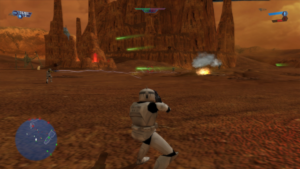 One of the defining features of Star Wars Battlefront was the sense of scale. Battles were filled not only with human players but also AI controlled soldiers. These bots fought alongside players, capturing command posts and engaging enemies.
The result was a battlefield that always felt active. Blaster fire erupted across the map, explosions echoed in the distance, and squads of soldiers moved toward objectives.
This approach helped the game capture the atmosphere of Star Wars warfare. The films often depict massive clashes between armies, and Battlefront managed to recreate that feeling surprisingly well for its time.
The AI was simple but effective. Bots pushed toward command posts and supported teammates, creating a constant sense of motion throughout the match. For players, it meant that every battle felt like part of a larger conflict rather than a small skirmish.
Accessible Gameplay with Strategic Depth
Star Wars Battlefront was easy to pick up but still offered meaningful strategy. The controls were straightforward and familiar to anyone who had played shooters before. Blasters fired quickly, grenades could clear groups of enemies, and vehicles operated with intuitive controls.
At the same time, the command post system created strategic layers beneath the action. Teams had to decide which objectives to prioritize and how to defend key positions.
A well coordinated push across multiple command posts could collapse the enemy’s reinforcement pool quickly. On the other hand, spreading forces too thin could leave important areas vulnerable.
Matches often evolved into shifting front lines, with players constantly adapting their approach. This balance between accessibility and strategy helped Battlefront appeal to both casual players and competitive communities.
A Soundtrack and Atmosphere True to Star Wars
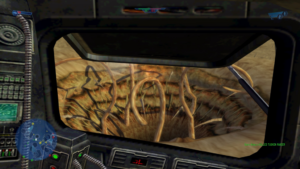 Few games capture the sound of Star Wars as effectively as Battlefront did. Blaster fire echoed with the familiar crackle that fans recognized instantly. Starfighters screamed overhead as engines roared through the battlefield. Explosions shook the environment while John Williams’ iconic musical themes added emotional weight to the action.
These elements worked together to create an atmosphere that felt unmistakably Star Wars. Even simple moments like defending a command post or driving a speeder bike across a desert landscape felt immersive.
The game’s visual design also remained faithful to the films. Armor designs, vehicles, and environments all reflected the aesthetic of the Star Wars universe. For fans, it felt less like playing a game and more like stepping into the middle of the saga’s most famous battles.
Multiplayer That Encouraged Community
When Battlefront released, online multiplayer was becoming a central part of gaming culture. The game supported large online matches that allowed players to fight across massive battlefields together.
Communities formed around specific maps, strategies, and team play styles. Groups of players could coordinate vehicle assaults or defensive strategies to hold command posts.
This multiplayer focus helped extend the life of the game far beyond its initial release. Even years later, players continued returning to experience the large scale battles that Battlefront offered.
LAN events and community servers became gathering points for fans who enjoyed the blend of strategy and Star Wars action. The simplicity of the game’s structure also made it easy for new players to join the experience.
A Legacy That Shaped Future Games
Star Wars Battlefront laid the foundation for many ideas that would influence later multiplayer shooters. The large map design, objective based gameplay, and combined arms combat became more common in games that followed. Titles that emphasized vehicles, infantry coordination, and large player counts built upon similar concepts.
Battlefront proved that players enjoyed being part of a larger conflict rather than focusing only on individual hero characters. Its influence can still be seen in modern multiplayer design where battlefield scale and objective driven gameplay remain popular. The game also helped establish the Battlefront name as one of the most recognizable brands in Star Wars gaming.
Why the Original Still Matters
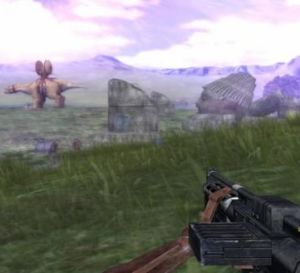 In a gaming landscape filled with increasingly complex systems and constant updates, the original Star Wars Battlefront remains refreshing in its simplicity.
The game did not rely on progression systems, cosmetic unlocks, or seasonal content. Instead, it focused on delivering battles that were immediately engaging and fun.
Players could jump into a match and experience the excitement of a Star Wars battlefield within seconds. Vehicles, command posts, and large armies created memorable moments without requiring hours of preparation.
That accessibility helped the game reach a wide audience. Fans of Star Wars, shooter enthusiasts, and casual players could all enjoy the same experience.
Even today, many players look back at the original Battlefront as a defining example of how licensed games can capture the spirit of a franchise while delivering strong gameplay.
Final Thoughts
Star Wars Battlefront (2004) succeeded because it understood the fantasy that Star Wars fans wanted to live out. Instead of focusing on a single story, it placed players directly into the war itself.
Large battlefields, iconic vehicles, and objective driven gameplay combined to create battles that felt alive and cinematic. The game balanced accessibility with strategic depth while staying true to the atmosphere of the Star Wars universe.
More than twenty years later, the original Battlefront still stands as a reminder that sometimes the most memorable games are the ones that focus on clear ideas executed well.
For anyone who has ever imagined charging across Hoth with a squad of soldiers or racing through Endor on a speeder bike, Star Wars Battlefront delivered that experience in a way few games had before.
And that is exactly why it remains a classic.