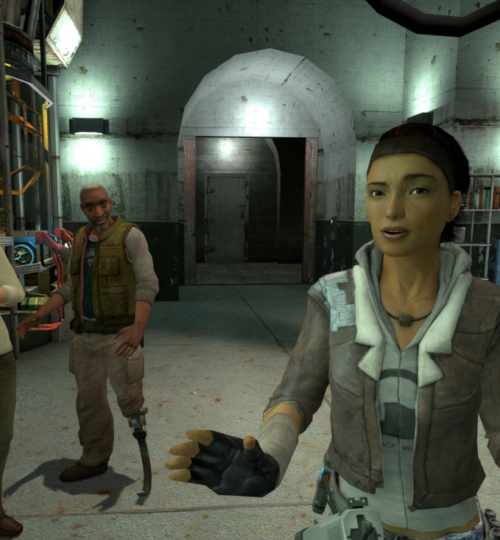
Half-Life 2 Revisited: A Benchmark That Still Holds Its Ground
There are certain games that define a moment, and then there are games that continue to define entire generations long after their release.
There are certain games that define a moment, and then there are games that continue to define entire generations long after their release.
There is something uniquely satisfying about revisiting a game that sits right on the edge of two eras.
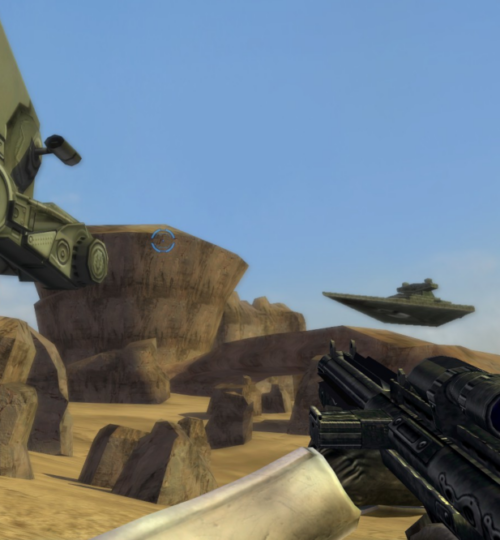
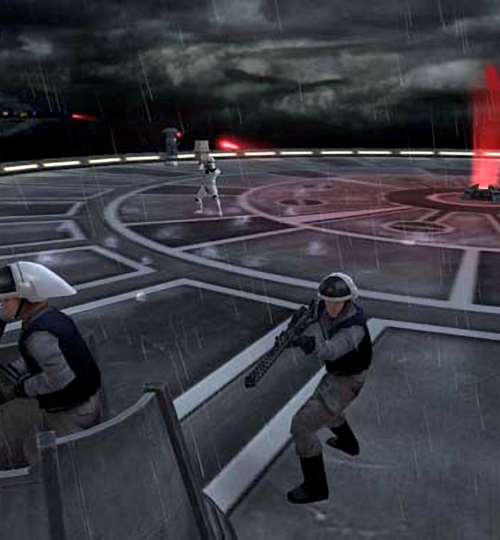
When Star Wars Battlefront released in 2004, it offered something that fans of the Star Wars universe had imagined for decades but rarely experienced in games.
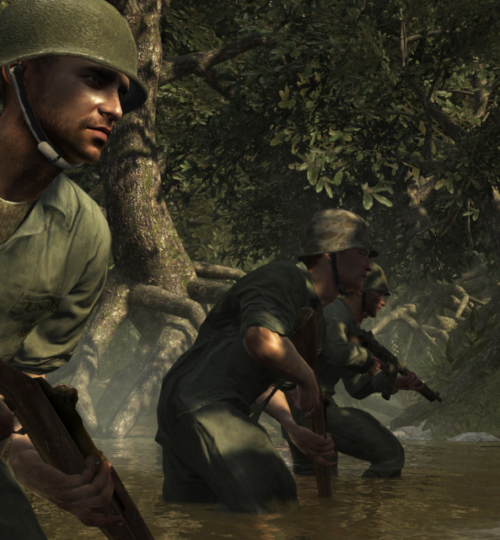
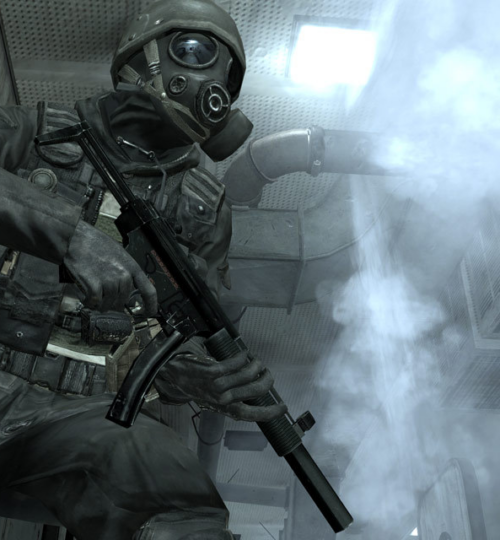
When Call of Duty: World at War launched in 2008, the series was riding a wave of momentum. The previous entry, Call of Duty 4: Modern Warfare, had redefined multiplayer shooters and introduced millions of players to a new style of cinematic military storytelling.
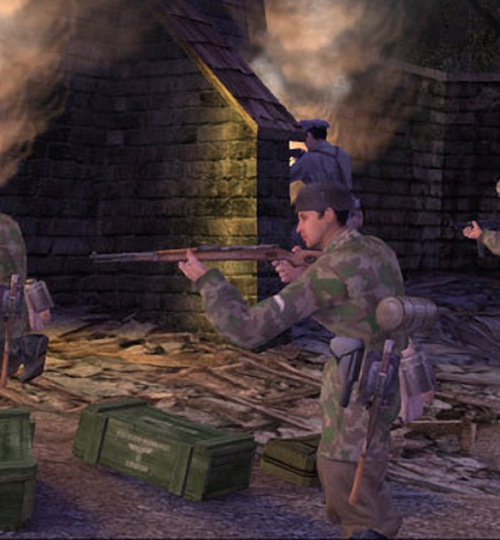
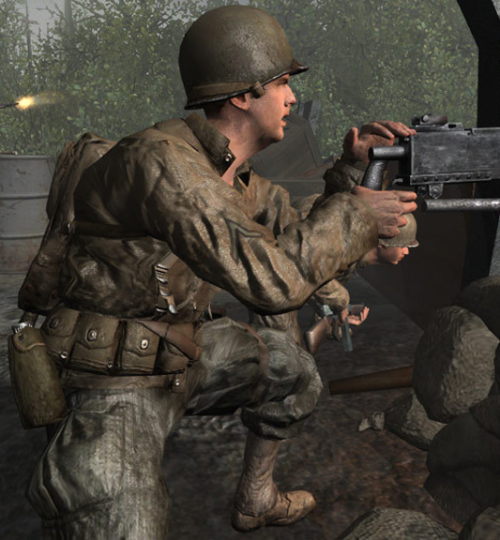
When the original Call of Duty released in 2003, the World War II shooter genre was already crowded. Titles like Medal of Honor and Allied Assault had set expectations…
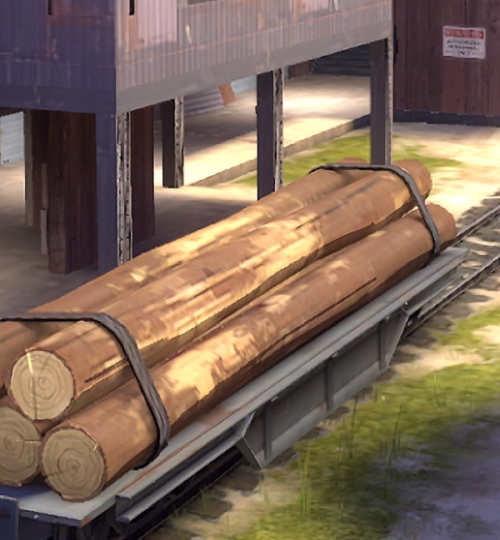
When Team Fortress 2 launched in 2007, it entered a crowded shooter landscape that was rapidly shifting toward realism. Military aesthetics were dominating the genre.
Some games get remembered because they were the first to do something. Others get remembered because they did the fundamentals so well that everything afterward borrowed from them.
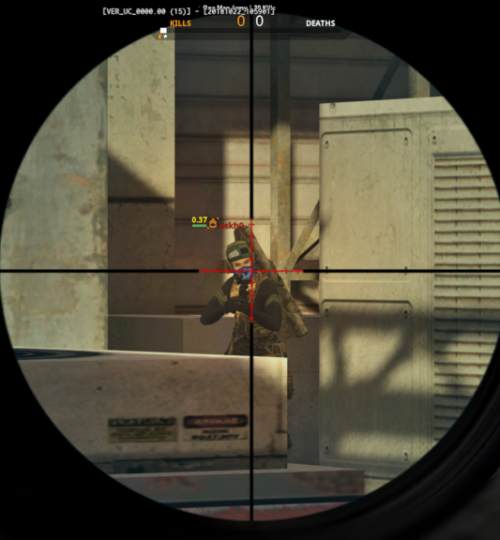
Combat Arms arrived at a very specific moment in PC shooter history. In 2008, most competitive FPS games still expected you to buy in. Combat Arms did the opposite.
Some games do not just “age well.” They change what people expect from a whole genre, then spend the next decade getting copied, remixed, and argued about.
A big, loud Star Wars sandbox that still understands what “fun multiplayer chaos” means.