
For years, Linux gaming lived in a strange space between passion and practicality. It attracted enthusiasts who loved open systems, customization, and performance tuning, but it often demanded patience. Installing games could feel like solving a puzzle. Compatibility varied widely. Workarounds were part of the experience. That reputation did not disappear overnight, but something has clearly changed.
In 2026, the conversation around Linux gaming is no longer about whether it is viable. The question now is more specific, and more interesting. Has Proton reached a point where everyday players can use Linux without constantly thinking about it? The answer is closer to yes than ever before, but it is not a simple yes.
A Quiet Revolution Led by Compatibility
At the center of Linux gaming’s transformation is Proton, the compatibility layer developed by Valve. Proton allows Windows games to run on Linux by translating system calls and graphics APIs in real time. Under the hood, it combines projects like Wine, DXVK, and VKD3D to bridge the gap between Windows and Linux environments.
In earlier years, Proton felt like an experiment. Many games worked, but just as many required tweaks, launch options, or community patches. Players often relied on compatibility databases and forums to figure out what would run.
Today, Proton feels less like a workaround and more like infrastructure.
A large portion of popular PC games now launch on Linux through Steam with little or no intervention. The process often looks identical to Windows. Click install. Click play. The fact that translation is happening in the background becomes almost invisible.
That shift is not just technical. It changes perception. When players do not need to think about compatibility, they stop treating Linux as an alternative platform and start treating it as a normal one.
Performance Is No Longer the Main Barrier
One of the biggest concerns historically associated with Linux gaming was performance. Even if a game ran, it often did so with a noticeable drop in frame rate or stability. That gap has narrowed significantly.
In many DirectX 11 and DirectX 12 titles, Proton paired with Vulkan translation layers can match or even exceed Windows performance under the right conditions. This is partly due to efficient driver support and partly due to how Vulkan handles workloads compared to older APIs.
Modern GPUs from AMD, Intel, and NVIDIA now have stronger Linux driver ecosystems than they did a decade ago. AMD in particular has built a reputation for robust open source drivers that integrate well with Linux distributions.
That said, performance parity is not universal. Some games still show small regressions. Others perform better depending on driver versions or kernel updates. The difference is that these gaps are no longer deal breakers for most players.
For everyday gaming, the experience has crossed an important threshold. Performance is usually good enough that players can focus on the game instead of the platform.
The Steam Deck Effect
It is difficult to talk about Linux gaming in 2026 without acknowledging the impact of the Steam Deck. Valve’s handheld device did more than sell hardware. It normalized Linux as a gaming platform for millions of users who may not have even realized they were using it. SteamOS, built on Linux, demonstrated that a curated, console-like experience could exist on top of an open system.
This had a ripple effect. Developers began paying closer attention to compatibility. Anti cheat providers started working more directly with Proton. Middleware tools improved. The idea that a game should run on Linux stopped being niche and started becoming part of broader platform support discussions.
For players, the Steam Deck lowered the barrier to entry. It showed that Linux gaming did not have to be complicated. That perception carried over to desktop users who were now more willing to experiment.
Anti Cheat and the Last Major Wall
Despite the progress, one issue still defines the limits of Proton today. Anti cheat systems. Competitive multiplayer games often rely on kernel level anti cheat solutions designed specifically for Windows. These systems monitor for unauthorized behavior at a deep level, and they are not always compatible with Linux environments.
There has been meaningful progress. Some major anti cheat providers now offer Linux compatible versions that work with Proton. Several high profile games have enabled this support, allowing players to join multiplayer matches without issues.
However, adoption is inconsistent. Some developers choose not to enable Linux support even when the technology exists. Others rely on custom solutions that are harder to adapt. As a result, certain competitive titles still do not run properly on Linux, or they restrict multiplayer access.
For casual and single player gaming, this is less of a concern. For players focused on competitive ecosystems, it remains a deciding factor. Until anti cheat compatibility becomes universal, Proton cannot be considered perfect for every type of player.
Installation and Setup Have Become Accessible
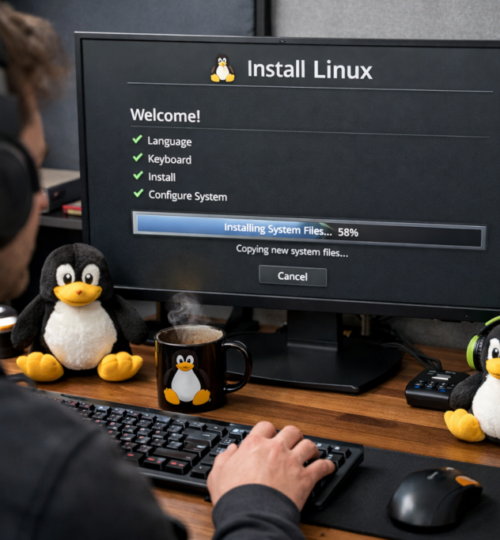
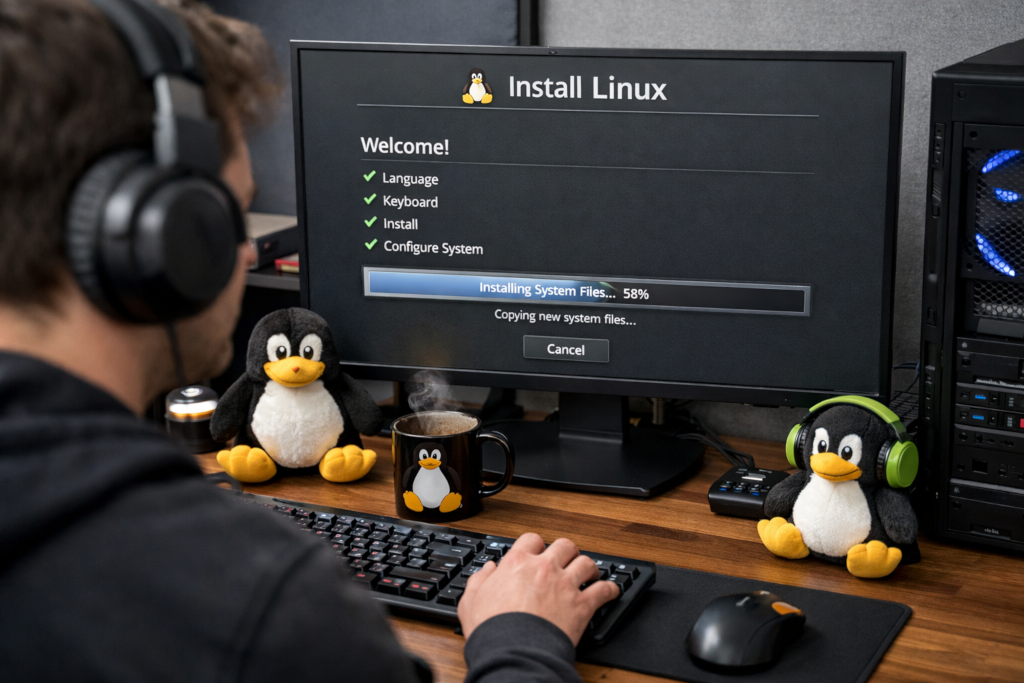
Another major shift is how easy it is to get started. In the past, installing Linux and configuring a gaming environment required a level of technical comfort that discouraged many users. Choosing a distribution, setting up drivers, and configuring compatibility layers could feel overwhelming.
In 2026, several distributions are designed specifically with gaming in mind. They offer streamlined installers, preconfigured drivers, and built in support for Proton and Steam.
For many users, the process now looks like this:
Install a gaming focused Linux distribution
Log into Steam
Enable Proton for all titles
Start playing
That simplicity does not eliminate all complexity, but it reduces it enough that new users can get started without deep technical knowledge. For those who want to go further, Linux still offers unmatched flexibility. But the key change is that it no longer requires that flexibility just to play games.
The Role of Community Still Matters
Even as Proton becomes more polished, the Linux gaming community remains an important part of the ecosystem. Compatibility databases, user reports, and shared fixes continue to help players navigate edge cases. Tools like custom Proton builds and launch options allow advanced users to push compatibility even further.
What has changed is the role of that community. Instead of being a necessity for basic functionality, it now acts as a layer of optimization and experimentation. Players who want the best possible experience can still dive deep, but those who prefer simplicity can stay on the surface.
This balance is part of what makes Linux gaming more approachable today. It supports both casual users and power users without forcing either group into the same experience.
Where Proton Still Falls Short
To understand whether Proton is perfect, it is important to look at the remaining friction points. Some games still require manual tweaks or specific Proton versions to run correctly. Launchers outside of Steam can introduce additional complexity, especially when they rely on proprietary systems.
Game updates can occasionally break compatibility, requiring quick fixes from developers or the community. While these situations are less common than before, they still happen.
Hardware compatibility, while improved, is not always seamless across every configuration. Certain peripherals, RGB systems, or niche devices may require extra setup.
These issues are not unique to Linux, but they are more noticeable in an environment that is still catching up to decades of Windows focused development.
So, Is Proton Finally Perfect?
The word perfect sets a high bar. If perfect means every game works flawlessly, every system is supported, and every player can switch without compromise, then Proton is not there yet. But if perfect means practical, reliable, and ready for everyday use by a large portion of players, then the answer is much closer to yes.
For single player games, indie titles, and a growing number of mainstream releases, Linux with Proton offers an experience that feels complete. Installation is simple. Performance is strong. Compatibility is wide.
For competitive multiplayer players, especially those tied to specific anti cheat systems, the decision is more complicated. Linux can work, but it is not guaranteed.
The Bigger Picture
What matters most is not whether Proton has reached perfection, but how far it has come.
Linux gaming is no longer defined by what it cannot do. It is increasingly defined by what it can do without effort. That shift opens the door for more players to explore alternatives, more developers to consider broader support, and more communities to grow outside traditional platform boundaries.
In many ways, Proton has already achieved something more important than perfection. It has made Linux gaming normal. And once something becomes normal, it tends to keep improving.