For players of Diablo IV, each new season brings a mix of excitement, skepticism, and curiosity. Seasonal updates have become the backbone of modern action RPGs, keeping players engaged while developers experiment with mechanics that may eventually shape the future of the game. Season 12, often referred to by players as the “Butcher season,” is a good example of that experimental approach.
This season arrives with a slightly different tone than previous ones. It is expected to be shorter than the usual seasonal cycle because it sits directly before the next major expansion. Blizzard appears to be using this period as both a bridge and a testing ground. Instead of dramatically reshaping the game, Season 12 introduces a themed mechanic centered around one of the franchise’s most recognizable enemies while giving players a preview of ideas that may influence the expansion that follows.
The result is a season that has sparked debate within the community. Some players appreciate the attempt to try something new. Others see it as a gimmick meant to fill time before larger changes arrive.
The Butcher as the Centerpiece of Season 12
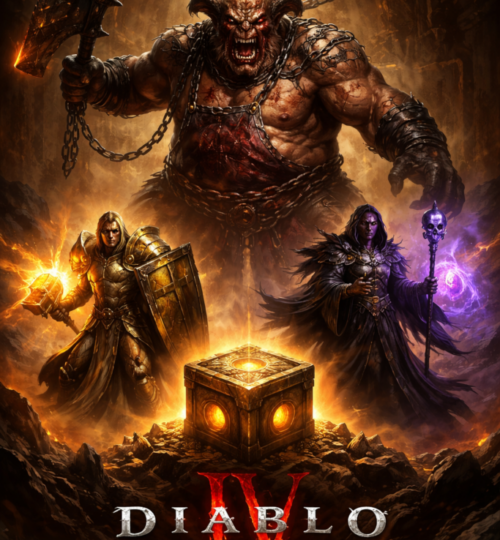
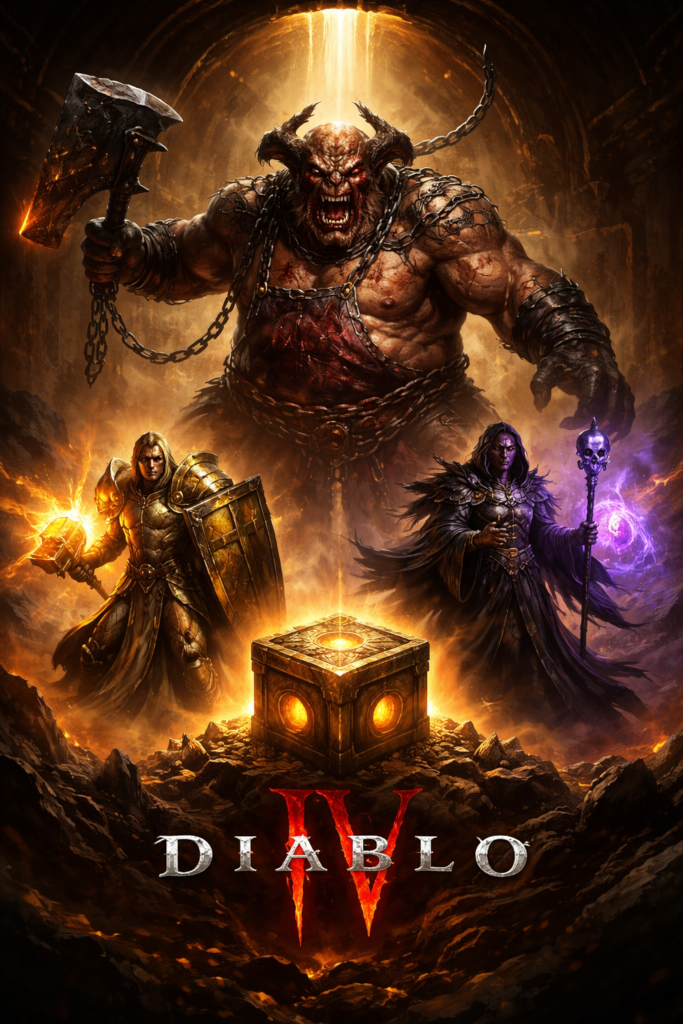
The headline mechanic of the season revolves around the return of The Butcher. Longtime fans of the franchise remember the Butcher from the original Diablo, where his infamous line “Fresh meat!” became one of the most recognizable moments in the series. In Diablo IV, the Butcher already exists as a rare and terrifying encounter that can appear unexpectedly during dungeon runs.
Season 12 takes that concept and builds a seasonal system around it.
Instead of the Butcher being a purely random encounter, the seasonal mechanics increase his presence and tie rewards and progression to defeating him or surviving encounters connected to his influence. Blizzard has experimented with boss driven mechanics before, but this season leans heavily into the idea that a single iconic enemy can shape the tone of the entire experience.
For some players, this approach feels refreshing. The Butcher is one of the few enemies in Diablo IV that can still genuinely surprise experienced players. Even well geared characters can be caught off guard if he appears at the wrong time.
Others view the seasonal focus as a gimmick. Instead of introducing a deep new progression system or build defining mechanics, critics argue that the season simply elevates an existing enemy and wraps the seasonal theme around it.
Both perspectives highlight an ongoing tension in Diablo’s seasonal design philosophy. Should seasons dramatically change how characters play, or should they simply introduce flavorful twists that keep the world interesting?
A Different Kind of Seasonal Experiment
One interesting aspect of the Butcher themed season is that it does not rely as heavily on temporary legendary style powers as some earlier seasons.
Many previous Diablo IV seasons introduced mechanics that gave players extremely powerful abilities tied to seasonal systems. These mechanics often created explosive builds that vanished when the season ended. While this approach can be fun, it sometimes makes the game feel unstable from season to season.
Season 12 takes a different direction.
By focusing on encounters and gameplay events rather than raw power boosts, Blizzard is testing how players respond to seasonal content that changes the environment rather than the character. In other words, instead of giving players stronger abilities, the season modifies the challenges they face.
Some members of the community see this as a positive step. It gives developers valuable feedback about how players react when seasonal mechanics influence combat encounters rather than character progression.
Others miss the chaos that comes from wild seasonal powers. For players who enjoy pushing builds to absurd levels, the Butcher themed mechanics can feel less exciting.
From a development standpoint, however, the season functions as a useful experiment. It allows Blizzard to observe player behavior while keeping the core balance of the game relatively stable.
Why This Season Is Shorter
One major reason Season 12 feels lighter than some previous updates is timing.
The next Diablo IV expansion is approaching, and Blizzard appears to be keeping the current season relatively short to make room for that launch. Seasonal content that arrives right before an expansion often serves as a transitional moment for the game.
Developers tend to avoid introducing massive systems during this period because the expansion itself will likely redefine progression, endgame activities, and possibly even class balance.
By running a shorter season focused on a familiar enemy, Blizzard can keep players engaged without committing to mechanics that might conflict with the expansion’s design.
For many players, this makes Season 12 feel like a pause before the next major evolution of the game.
The Torment Level Debate
One of the most discussed pieces of information circulating within the community involves the possibility of expanded Torment difficulty levels in the upcoming expansion.
Some reports and discussions suggest the game could introduce Torment tiers reaching as high as Torment 12. For longtime Diablo fans, this idea immediately triggers comparisons with Diablo III, which eventually introduced 16 Torment difficulty levels.
That system allowed players to continue pushing higher difficulty tiers indefinitely while improving gear and builds. While many players enjoyed the sense of progression, others felt the system created unnecessary complexity and inflated the difficulty ladder.
Because of that history, reactions to the possibility of Torment 12 in Diablo IV have been mixed.
Supporters argue that more difficulty tiers allow the game to scale better for high level players. As builds become stronger and players optimize gear, additional tiers provide a place to test those builds.
Critics worry that repeating Diablo III’s structure may lead Diablo IV away from its darker and more grounded design philosophy. Instead of carefully crafted difficulty spikes, the game could drift toward an endless scaling system.
At this stage, much of this discussion remains speculative. Blizzard has not finalized every detail publicly, but the conversation illustrates how closely the community watches every hint about the expansion.
New Classes on the Horizon
The expansion is also expected to introduce new playable classes, and that topic has generated a huge amount of excitement.
One class that continues to appear in discussions is the Paladin.
The Paladin has been a fan favorite throughout the history of the Diablo series. In earlier games, the class combined strong defensive abilities with powerful holy themed attacks. Players often used Paladins as durable frontline fighters capable of protecting allies while dealing impressive damage.
Some players who pre purchased expansion bundles have already seen early access elements tied to the Paladin class, giving them a preview of how the character may function in Diablo IV’s combat system.
The return of a heavily armored holy warrior fits naturally within Diablo’s dark fantasy world. The Paladin represents one of the few forces attempting to bring light into Sanctuary’s constant battle against demonic influence.
The Warlock is another class frequently discussed by the community.
While not traditionally part of Diablo’s core class lineup, the Warlock concept has gained attention in recent years, especially after the strong reception of certain character archetypes in Diablo II: Resurrected. Players responded positively to darker spellcasting builds that emphasized curses, summoned forces, and destructive magic.
A Warlock style class in Diablo IV could push that concept even further. Such a character would likely focus on forbidden magic, damage over time effects, and possibly control over demonic entities.
If implemented carefully, the Warlock could offer a playstyle that feels distinct from the existing Sorcerer and Necromancer classes.
The Return of the Horadric Cube
One of the most nostalgic elements discussed in connection with the expansion is the return of the Horadric Cube.
For players who spent years exploring earlier Diablo titles, the Horadric Cube is more than just a gameplay system. It is a symbol of experimentation.
In earlier games, the Cube allowed players to combine items and materials to create new equipment, upgrade gear, or trigger special recipes. Many of Diablo’s most memorable discoveries came from experimenting with different combinations inside the Cube.
Bringing the Horadric Cube into Diablo IV would represent both a new feature and a return to one of the franchise’s most beloved mechanics.
Modern Diablo players enjoy deep crafting systems, and the Cube could become a central hub for item manipulation and experimentation in the expansion. It could also help solve one of the most persistent challenges in Diablo IV, which is giving players meaningful ways to modify gear without relying purely on random drops.
If Blizzard integrates the Cube properly, it could become a major pillar of the game’s long term progression.
Community Reaction to the Season
As with most Diablo seasons, community reaction to Season 12 has been divided but engaged.
Some players appreciate the lighter tone and the focus on a familiar enemy. The Butcher is iconic, and encountering him more frequently adds tension to dungeon runs that might otherwise feel routine.
Others feel the season lacks the depth of previous seasonal mechanics. Without a dramatic power system or complex progression layer, some players worry that the season exists mainly to fill time before the expansion arrives.
Both perspectives are valid, and Blizzard likely anticipated this reaction.
Shorter bridge seasons often prioritize stability and experimentation rather than dramatic gameplay changes. From that perspective, the Butcher themed season serves as a testing ground for encounter driven seasonal design.
Looking Toward the Expansion
Ultimately, Season 12 feels less like a standalone chapter and more like a preview of what comes next.
The discussion surrounding Torment levels, new classes, and the potential return of the Horadric Cube suggests that the upcoming expansion could dramatically reshape Diablo IV’s endgame systems.
If those systems arrive alongside meaningful new content and improved item progression, the expansion could represent the next major milestone in the game’s evolution.
For now, Season 12 gives players a familiar face in the form of the Butcher while the developers prepare larger changes behind the scenes.
For longtime Diablo fans, that kind of transition period is nothing new. The series has always evolved in cycles of experimentation followed by major expansions that redefine the game.
Whether players see the Butcher season as a clever experiment or a temporary gimmick, it accomplishes one important goal. It keeps the world of Sanctuary active while the next chapter of Diablo IV prepares to unfold.