
The Cost of Security: When Anti-Cheat Starts Policing the PC
Competitive PC gaming has reached a point where anti-cheat software is no longer watching only the game process.
Anti-cheat for games
Competitive PC gaming has reached a point where anti-cheat software is no longer watching only the game process.
Aimbots used to leave a familiar technical trail. They hooked game processes, read memory, injected code, patched files, or depended on drivers that anti-cheat teams could hunt directly.
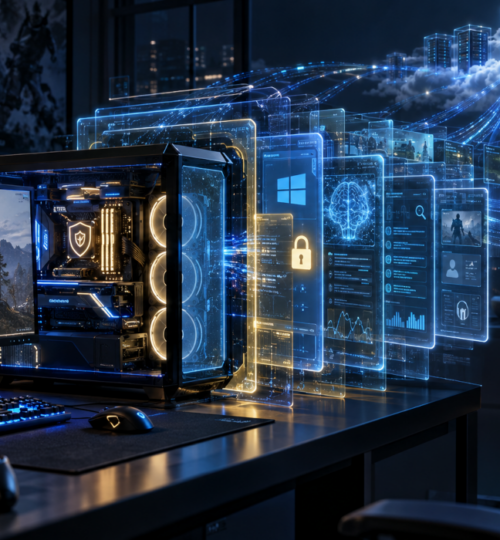
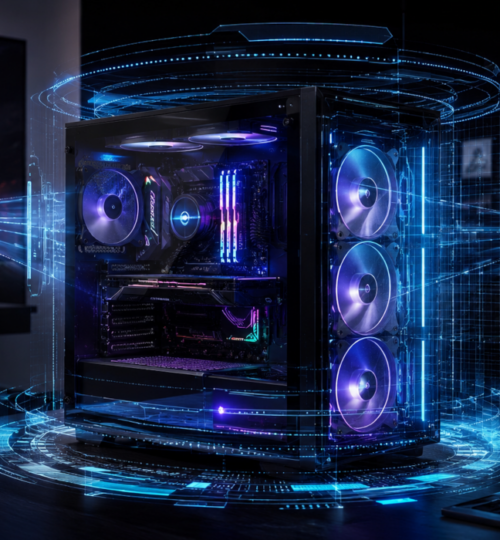
PC anti-cheat in 2026 is starting to look less like a single piece of security software and more like a chain of trust spread across firmware, Windows, game clients, and remote services.
For years, PC anti-cheat was built around a familiar assumption: if a cheat wanted to manipulate a game, it had to interact with the same operating system that was running the game.
For years, the standard mental model of PC cheating was software fighting software.
For years, the basic punishment loop in online gaming was painfully predictable. A player cheated, the publisher banned the account, and the same player returned under a fresh username before the evening was over.
Competitive shooters have always had a cheating problem, but the shape of that problem has changed. The old-school rage hacker was obvious.
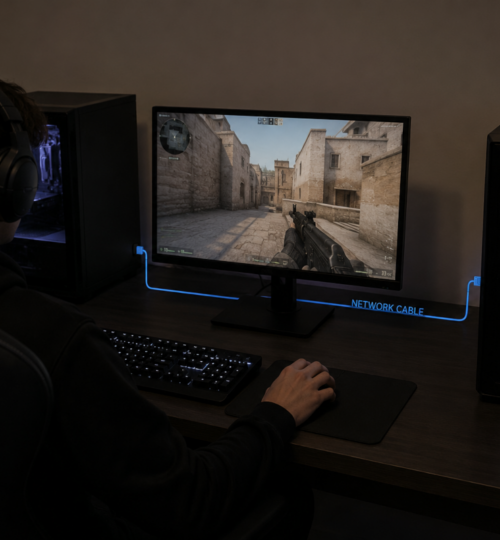
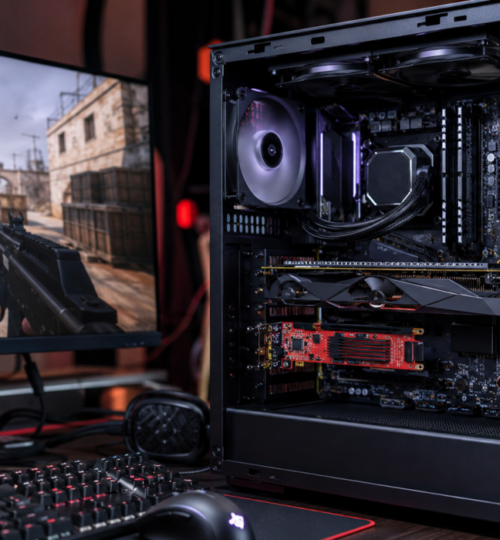
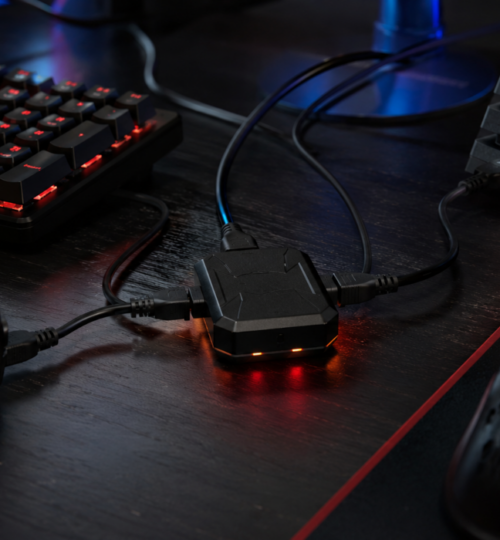
Hardware-level input spoofing has become one of the dirtiest problems in competitive multiplayer because it hides in a space most players never see.
Competitive gaming has always lived or died on trust. Players can handle losing. They can handle getting out-aimed, out-rotated, out-drafted, or outplayed.
For as long as competitive shooters have existed, wallhacks have been one of the ugliest forms of cheating. Aimbots are obvious when they snap too hard. Speed hacks can look ridiculous.
If you have played a competitive shooter in the past few years, you have likely seen it happen in real time. A notification flashes across the screen.
For as long as competitive multiplayer games have existed, there has been a parallel effort to break them.