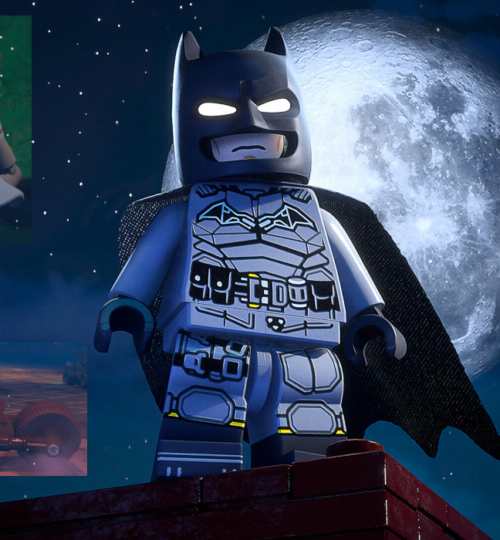
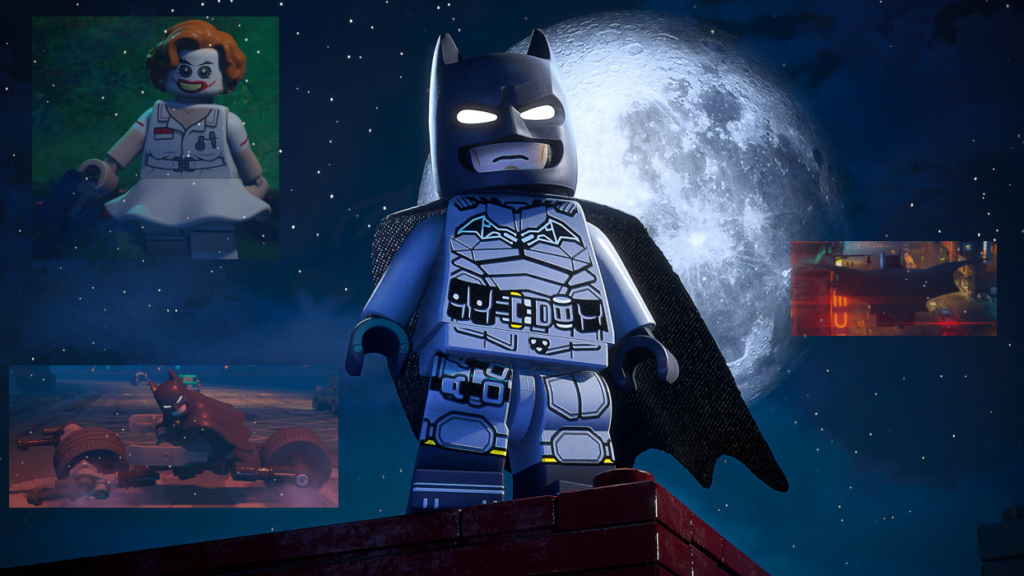
After years of familiar licensed adventures, LEGO Batman: Legacy of the Dark Knight has delivered one of TT Games’ strongest critical successes in more than a decade. Released on May 22, 2026, the game combines generations of Batman history with modern action mechanics, an expansive Gotham City, and the humor that established the LEGO franchise as a favorite among players of different ages.
The reception has been particularly impressive for a series that once faced criticism for relying too heavily on its established formula. Legacy of the Dark Knight earned some of the highest review scores in LEGO gaming history, outperforming the widely praised LEGO Star Wars: The Skywalker Saga on several comparable review metrics. Its success reflects the benefits of a more focused approach to licensed game development, where familiar characters provide the foundation for meaningful gameplay improvements.
TT Games has preserved the cooperative puzzles, collectibles, and visual comedy that longtime fans expect. The biggest changes appear in how Batman fights, moves through Gotham, and interacts with a smaller group of playable characters. Together, those decisions have produced a game that feels familiar while addressing several weaknesses that accumulated across earlier LEGO releases.
The Critical Reception Behind LEGO Batman’s Success
Legacy of the Dark Knight arrived to unusually strong reviews for a modern licensed LEGO game. On Metacritic’s TT Games listings, the game recorded scores of 86 on Xbox Series X, 84 on PC, and 83 on PlayStation 5. Those results compare favorably with LEGO Star Wars: The Skywalker Saga, which received scores of 82 on Xbox Series X, Nintendo Switch, and PlayStation 5, along with 78 on PC.
The Xbox Series X version’s score of 86 also ranks as the highest Metascore listed for TT Games on the aggregator. Although individual platform scores reflect different review samples and should not be treated as interchangeable, the results establish Legacy of the Dark Knight as one of the developer’s most favorably reviewed releases. The achievement is especially notable given how extensively TT Games has worked with licensed properties over the past two decades.
Earlier LEGO adventures established a dependable structure built around cooperative puzzle-solving, character switching, simple combat, and collectible hunting. That structure worked particularly well in LEGO Star Wars: The Complete Saga, LEGO Marvel Super Heroes, and the original LEGO Batman trilogy. However, the rapid succession of licensed releases made similarities between games increasingly apparent, particularly in their fighting mechanics and mission design.
The Skywalker Saga demonstrated in 2022 that the established formula could accommodate substantial changes to camera perspective, exploration, and combat. Legacy of the Dark Knight develops that approach further by concentrating its mechanical systems around Batman’s particular abilities. Rather than distributing development attention across an enormous selection of characters and locations, TT Games created a more unified action-adventure experience.
Critical approval does not establish that every design decision was successful. Reviews have identified repetitive collectibles, forgiving combat, and technical shortcomings as areas where the game remains vulnerable to criticism. Nevertheless, the stronger reception suggests that the changes were substantial enough to distinguish this entry from the increasingly familiar structure of its predecessors.
Batman’s History Provides More Than Nostalgia
Batman offers developers an unusually extensive collection of material to reinterpret. Since his comic-book debut in 1939, the character has appeared in countless films, television programs, animated productions, and video games. Each major adaptation has introduced its own interpretation of Gotham City, Bruce Wayne, and the villains who define his adventures.
Rather than adapting one particular storyline, Legacy of the Dark Knight draws from multiple eras to construct a unified account of Bruce Wayne’s transformation into Batman. The campaign begins with his training under the League of Shadows and follows his development into an established crimefighter surrounded by familiar allies and adversaries.
The game’s official launch announcement from Warner Bros. Games describes an original adventure combining material from Batman films, television, comics, and games. Recognizable influences include Tim Burton’s Batman films, Christopher Nolan’s Dark Knight trilogy, and more recent cinematic interpretations of the character.
This approach creates opportunities for humor that a more conventional adaptation might struggle to accommodate. A scene inspired by a serious Batman film can retain its recognizable setting while introducing visual jokes involving LEGO characters, destructible objects, or deliberately absurd reactions. The comedy works because players already understand the personalities and situations being referenced.
Longtime Batman fans can identify particular costumes, vehicles, environments, and dialogue references, while younger audiences can follow the story without recognizing every influence. The central narrative remains understandable because Batman’s development provides a consistent foundation for the different interpretations.
Nostalgia also benefits the game’s world design. Gotham contains recognizable locations and equipment associated with several generations of Batman entertainment, encouraging players to investigate their surroundings for references. These details provide an additional incentive for exploration, especially for fans familiar with the character’s history beyond video games.
The risk with this approach is that recognizable material can become a substitute for original storytelling. Some familiar moments are included primarily because audiences remember them, and the campaign occasionally moves quickly between references. Even so, TT Games generally connects these influences through a consistent version of Batman rather than treating the story as a sequence of unrelated recreations.
Arkham-Style Combat Modernizes the LEGO Formula
One of the game’s most substantial improvements comes from its redesigned combat system. Earlier LEGO Batman adventures emphasized straightforward attacks, simple enemy encounters, and character-specific abilities used primarily for environmental puzzles. Fighting provided an entertaining interruption between exploration sequences, although it rarely demanded much attention to positioning or defensive timing.
Legacy of the Dark Knight adopts mechanics closely associated with Rocksteady’s Batman: Arkham series. Players chain melee attacks together, counter incoming strikes, evade dangerous opponents, and incorporate Batman’s gadgets into encounters. Different enemy types encourage changes in approach, particularly when dealing with shields, heavy weapons, or attacks that cannot be countered normally.
The influence extends into stealth encounters, where Batman can move between elevated positions and approach enemies from above. Grappling points, environmental opportunities, and silent takedowns provide alternatives to immediate confrontation. These mechanics give missions a stronger connection to Batman’s established fighting style.
Rocksteady Studios also received a co-development credit on the project, although the exact extent of its contribution has not been publicly detailed. In its review of Legacy of the Dark Knight, Video Games Chronicle emphasized the similarities between the new combat system and Rocksteady’s earlier Batman games. The publication praised the familiar mechanics while observing that the relatively low difficulty limits the need to master them.
TT Games deliberately retained the accessibility associated with its LEGO releases. The game originally offered Classic, Caped Crusader, and Dark Knight difficulty settings, allowing players to choose between traditional LEGO gameplay and encounters with more demanding conditions. Dark Knight increases combat pressure through tougher enemies, reduced health, and limited lives during most missions.
A free update in September 2026 introduced an additional Absolute difficulty setting. As detailed in the official September update notes, the update expanded the game’s challenge options alongside other improvements. Absolute difficulty removes visual prompts for counters and dodges while introducing stricter survival conditions.
These adjustments give experienced action players additional opportunities to engage with the combat mechanics. However, even the more demanding settings retain the relatively approachable structure of a LEGO adventure. Players expecting the full complexity of Rocksteady’s combat systems may find enemy behavior and encounter design comparatively simple.
The redesigned combat still represents meaningful progress for the franchise. Batman’s fighting style feels more deliberate, and the ability to combine attacks, gadgets, and defensive movements makes ordinary encounters more engaging than the repetitive button pressing associated with many older LEGO games.
Gotham City Becomes a Major Part of the Experience
Gotham City plays a larger role in Legacy of the Dark Knight than a conventional hub connecting individual missions. TT Games created an expansive environment where players can travel between districts, investigate crimes, complete challenges, and discover references scattered throughout the city.
Movement is one of the strongest elements of the design. Batman can grapple between buildings, glide above streets, and use different Batvehicles to travel around Gotham. Vertical exploration encourages players to examine rooftops and elevated structures while taking advantage of the city’s architecture.
The environment also draws heavily from the visual history of Batman entertainment. Gothic buildings, industrial districts, rain-soaked streets, and atmospheric lighting help establish Gotham’s familiar appearance. Detailed LEGO materials preserve the franchise’s toy-like identity, with reflective plastic surfaces and molded character designs giving the world its distinctive presentation.
The Batmobile provides another connection between exploration and Batman history. Players can unlock vehicles inspired by different adaptations, including recognizable designs from television, film, and comics. These vehicles contribute to the appeal of traveling through Gotham, particularly for players who enjoy collecting equipment associated with specific Batman eras.
Environmental puzzles and collectibles remain central to the experience. Players can unlock alternate suits, discover hidden rewards, complete character-specific challenges, and collect items for display inside the Batcave. The customizable headquarters adds a visible sense of progression as the collection expands.
However, the volume of optional content introduces familiar open-world problems. Gotham contains numerous collectibles and repeated challenges that can make completion feel increasingly mechanical. Activities that initially encourage exploration may become less engaging once players have encountered several variations of the same objective.
This weakness featured prominently in PC Gamer’s review, which praised the main campaign while criticizing the repetitive nature of much of the optional content. The review also reported bugs affecting certain side activities, adding frustration to completionist play.
The distinction between exploring Gotham and attempting to finish every activity is important. Traveling through the city during the campaign creates opportunities to experience Batman’s movement abilities and discover recognizable locations. Completing the entire map requires a greater tolerance for repeated tasks, particularly when optional objectives provide limited narrative or mechanical variety.
Gotham remains an effective setting for the main adventure, but the uneven quality of its optional activities prevents the open world from maintaining the same level of interest throughout. The strongest moments emerge when exploration, character abilities, and Batman history contribute to the same activity.
A Smaller Character Roster Allows Greater Individuality
Character collection has traditionally been one of the defining features of licensed LEGO games. Previous releases frequently included enormous rosters featuring major characters, supporting personalities, alternate costumes, and obscure references.
LEGO Batman 3: Beyond Gotham featured more than 100 playable characters, giving collectors access to an extensive selection of DC personalities. Although the variety was entertaining, many characters shared similar combat patterns or movement abilities. Their differences were often more apparent in appearance than in actual gameplay.
Legacy of the Dark Knight takes a more concentrated approach with seven principal playable characters. Batman, Jim Gordon, Robin, Nightwing, Batgirl, Catwoman, and Talia al Ghul each possess distinct abilities, equipment, progression systems, and combat options.
Batman relies on familiar tools such as the Batclaw and Batarangs, while Jim Gordon has access to a Foam Sprayer. Robin uses a Cable Launcher, and Catwoman employs her whip for particular interactions. These mechanical differences provide practical reasons to switch characters during missions and environmental puzzles.
The smaller roster gives TT Games more room to develop individual movesets and progression systems. Players can spend more time learning what each character does well instead of switching between dozens of personalities whose abilities overlap. The result is a more focused approach to character development, although it necessarily reduces the enormous selection that longtime LEGO collectors may expect.
Customization remains extensive through alternate suits and equipment. The base game includes 100 outfits inspired by Batman’s entertainment history, allowing familiar designs to appear without requiring every variation to function as a separate character.
Post-launch content has also expanded the playable selection. The Mayhem Collection, released in September 2026, introduced the Joker and Harley Quinn with their own abilities and gadgets. It also added a villain-focused story mission, Mayhem Mode, and additional cosmetic and Batcave content for Deluxe Edition owners.
For longtime fans, the new roster structure presents a genuine tradeoff. Greater mechanical distinction makes individual characters more satisfying to control, but collecting unusual DC personalities was an important attraction in earlier releases. The preferred approach will depend on whether players value distinct abilities or the sheer quantity of unlockable characters.
Cooperative Play Retains Its Local Multiplayer Identity
Cooperative multiplayer remains an important part of the LEGO franchise. While many modern multiplayer games emphasize online matchmaking and progression systems, TT Games has continued to build its adventures around shared exploration and cooperative problem-solving.
Legacy of the Dark Knight supports two-player local cooperative play throughout its main campaign. Players can work together during combat, solve puzzles requiring different abilities, and explore Gotham without the pressure of competitive objectives.
The approach works particularly well for players with different levels of gaming experience. More experienced participants can assist during difficult encounters, while less experienced players can contribute through exploration and character-specific abilities. The accessible combat system helps prevent large differences in skill from disrupting cooperative sessions.
The original release did not include conventional built-in online cooperative multiplayer, which limits its convenience for players who routinely organize sessions remotely. PC users have an alternative through Steam Remote Play Together, which streams the local cooperative experience to another participant. That feature depends on a remote streaming connection rather than the game’s own online multiplayer infrastructure.
Nintendo Switch 2 owners received an additional option in November 2026. A post-launch update reported by Nintendo Life introduced GameShare support for online multiplayer through GameChat, alongside stability and performance improvements.
GameShare provides another method of connecting players, although it operates through Nintendo’s platform-specific features. It does not mean that conventional online cooperative matchmaking has been added to every version of the game.
For a series associated with couch multiplayer, preserving local cooperation makes sense. However, players accustomed to maintaining gaming friendships across different cities may find the absence of widespread native online co-op disappointing. The newer platform features help address that limitation without completely eliminating it.
Technical Ambition Introduces New Performance Challenges
The move toward more detailed environments and modern combat mechanics has increased the game’s technical demands. Gotham contains substantially more visual detail than the smaller environments associated with many earlier LEGO titles, while its larger districts place additional demands on rendering and asset streaming.
PC players have access to adjustable graphical settings, allowing performance and visual quality to be balanced according to their hardware. The additional effects and environmental detail offer a more elaborate presentation, although the experience can vary depending on system specifications. Technical problems reported in reviews include occasional glitches affecting exploration and optional activities.
The Nintendo Switch 2 version, released on September 18, 2026, illustrates the compromises involved in adapting the game to portable hardware. It targets a 30 fps presentation and uses reduced visual detail compared with more powerful systems. Reviewers have reported softer textures, visible pop-in, occasional frame drops, and stuttering during demanding sequences.
These limitations are most apparent when traveling rapidly through Gotham or moving between areas containing large amounts of environmental detail. The core campaign remains available on Switch 2, but players prioritizing consistently higher frame rates may prefer other platforms.
The technical demands reflect TT Games’ growing ambitions for its licensed adventures. Larger environments and more elaborate animation systems allow greater visual detail and more varied movement, but they also introduce optimization challenges that were less prominent in older releases.
The game’s strong critical reception suggests that these issues have not overshadowed its main achievements. Nevertheless, performance remains a practical consideration for buyers, especially those choosing between portable convenience and the stronger graphical capabilities of PC or home consoles.
What LEGO Batman’s Success Could Mean for TT Games
The positive reception of Legacy of the Dark Knight gives TT Games evidence that its audience is receptive to substantial changes in licensed LEGO adventures. The Skywalker Saga had already demonstrated the potential of broader environments and revised combat systems, but Batman provides a particularly effective example of how those ideas can be adapted to a different franchise.
The two games approach modernization through different design priorities. The Skywalker Saga spans numerous planets, characters, and storylines across nine mainline Star Wars films. Legacy of the Dark Knight concentrates its development around a smaller cast, a single major city, and a fighting system closely connected to Batman’s established abilities.
That concentration helps explain why the newer game feels more mechanically consistent. Batman’s gadgets support exploration and combat, his movement abilities suit Gotham’s architecture, and his extensive history provides recognizable material for story missions and collectibles. The individual systems reinforce one another instead of operating as largely separate features.
There are limits to what critical reception can establish about TT Games’ next projects. Review scores do not reveal the game’s profitability, development budget, or the publisher’s plans for future licensed releases. Those decisions involve commercial considerations that cannot be determined from critical approval alone.
The smaller character roster also raises questions about the direction of future LEGO games. Creating fewer characters with more distinctive abilities can improve combat and puzzle design, but it reduces the collection appeal that helped earlier releases maintain interest beyond their main campaigns.
Different properties may benefit from different approaches. Star Wars naturally supports travel between planets, ranged combat, and large groups of playable characters, while Batman benefits from a dense urban setting and specialized equipment. Applying the same character and combat structure to every licensed franchise would risk recreating the design repetition that TT Games has spent several years addressing.
The most promising opportunity lies in developing gameplay systems around the particular strengths of each property. That approach would allow future LEGO adventures to retain familiar cooperative mechanics while introducing more substantial differences between franchises.
The response to Legacy of the Dark Knight also leaves room for improvements within its own design. More demanding enemy encounters, greater variety in optional activities, and stronger integration between collectibles and character progression could address several criticisms without abandoning the accessibility that defines the series.
Gotham’s optional missions offer an especially clear opportunity for refinement. Activities built around detective work, specialized gadgets, or villain-specific situations could provide greater variety than repeated collection objectives. Expanding those mechanics would make the open world more rewarding for players who want to remain in Gotham after completing the main campaign, giving its substantial environment a stronger purpose beyond the central story.