For a generation of players raised on discs, cartridges, and even early digital downloads, the concept of ownership in gaming once felt concrete. You bought a game, you kept it. Even as digital storefronts replaced physical media, there was still a sense of permanence. Files could be downloaded, stored, backed up, and revisited years later. Cloud gaming has begun to dismantle that assumption.
The recent decision by Amazon to remove access to purchased games on its Luna service, without offering refunds, is not just another corporate pivot. It is a moment that exposes a deeper shift in how games are sold, accessed, and ultimately controlled. For a community that built its identity on persistence, ladders, history, and long-term competition, this raises serious questions. What happens when the games themselves no longer belong to the players?
What Happened with Amazon Luna
Amazon Luna launched in 2020 as a competitor in the emerging cloud gaming space. It followed a familiar promise: play high-end games on modest hardware through streaming, eliminating the need for expensive rigs or consoles. For some players, especially those without access to gaming hardware, this was an appealing proposition.
Initially, Luna allowed users to purchase games directly or subscribe to third-party services like EA Play. Over time, however, the platform struggled to gain traction. Its identity shifted multiple times, from a full-service cloud gaming platform to a more casual, subscription-driven experience.
The latest change marks its most controversial move yet.
Amazon announced that:
- New game purchases are no longer available
- Third-party subscriptions are being phased out
- Previously purchased games will become unplayable via Luna after June 10
- No refunds will be issued
There is one partial exception. Players who linked their Luna accounts to external publishers like Ubisoft or EA may retain access to those games through those ecosystems. But this assumes users have hardware capable of running them or access to alternative streaming solutions. For many Luna users, that assumption does not hold.
The Core Problem: Access vs Ownership
At the heart of this situation is a fundamental distinction that cloud gaming has blurred. When you buy a traditional digital game, you typically receive a license tied to a platform like Steam, PlayStation, or Xbox. While not absolute ownership in a legal sense, you still gain persistent access. You can download the game, store it locally, and play it offline in many cases.
Cloud gaming removes that layer entirely. There is no local copy. No executable file. No backup. No offline mode.
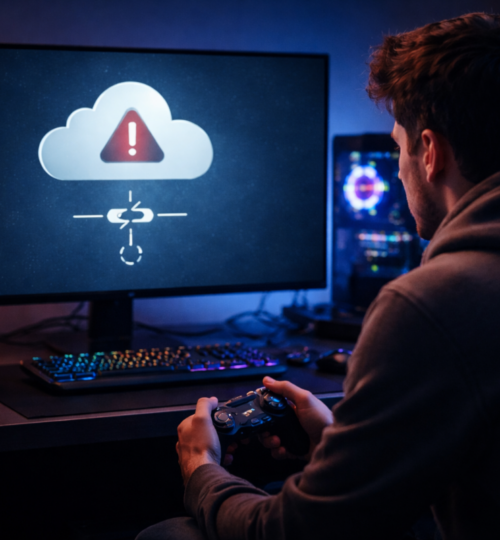
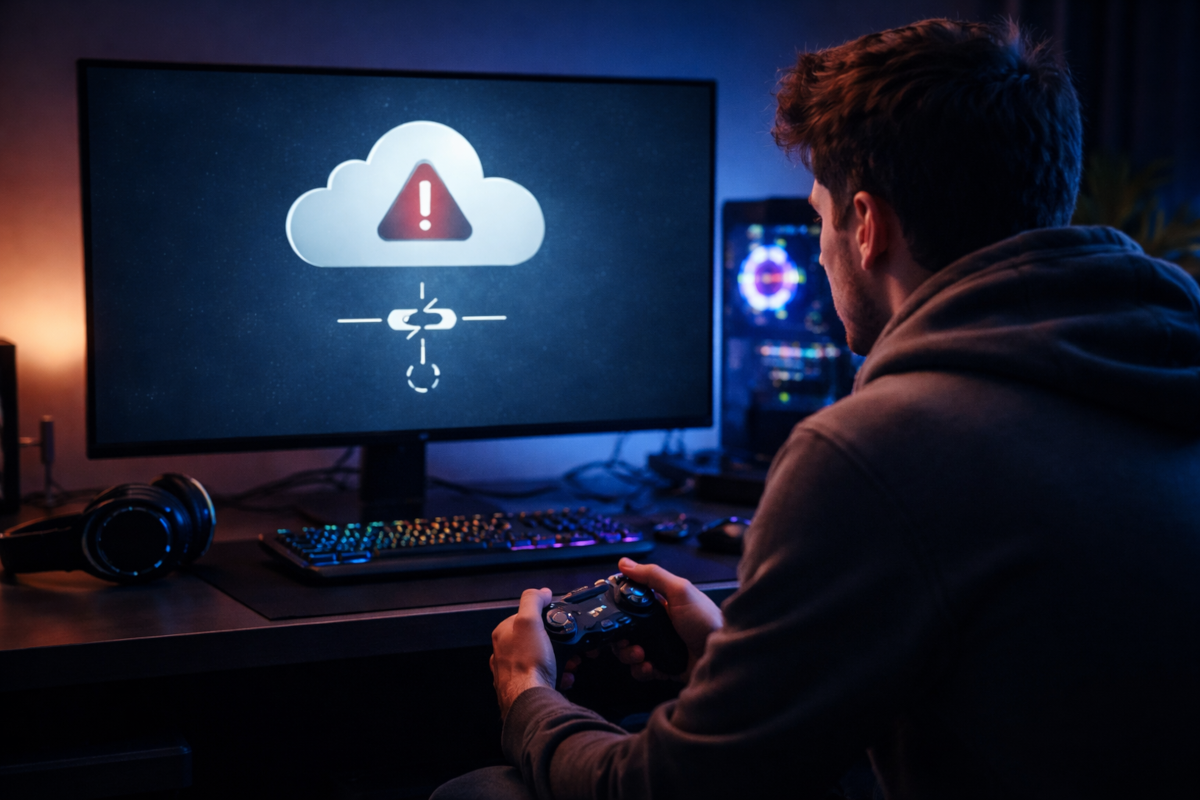
Your ability to play the game depends entirely on the service remaining operational and continuing to support that title. If the service changes direction, loses licensing rights, or shuts down entirely, your access disappears. That is exactly what Luna users are now facing.
A Familiar Pattern: Lessons from Stadia
This is not the first time the industry has seen this play out. When Google shut down its cloud gaming platform, Stadia, it also rendered purchased games unplayable. However, there was one key difference. Google issued refunds for game purchases and hardware. That decision helped mitigate backlash and set a precedent for how platforms might responsibly exit the market.
Amazon’s approach diverges sharply from that example. By removing access without refunds, it shifts the financial burden entirely onto the player. The implication is clear: purchases made within a cloud ecosystem carry a level of risk that is not always communicated upfront. For a community that values long-term records, legacy competition, and historical preservation, that risk is not trivial.
Is This a Growing Trend or an Isolated Case
The question that follows is whether this situation reflects a broader industry trend or a single misstep by a struggling platform. The answer is nuanced.
Subscription Models Are Expanding
Across the industry, there is a clear movement toward subscription-based access rather than ownership. Services like Xbox Game Pass and PlayStation Plus offer large libraries of games for a monthly fee. These models prioritize access over permanence. Titles rotate in and out, and players lose access when subscriptions end or games leave the catalog.
However, these services differ from Luna in one critical way. They do not typically sell individual games that later become inaccessible. The expectation is clear from the start: you are paying for temporary access, not ownership.
Cloud Infrastructure Still Faces Challenges
Cloud gaming itself remains a difficult space to sustain. High infrastructure costs, licensing complexities, and inconsistent user demand have made it hard for platforms to achieve profitability. Stadia struggled. Luna struggled. Other services have scaled back ambitions or focused on niche markets.
This instability increases the risk for players. If a platform cannot maintain a stable business model, the longevity of its game library becomes uncertain.
Hybrid Models Are Emerging
Some companies are exploring hybrid approaches that combine cloud access with traditional ownership. For example, certain services allow players to stream games they already own on established platforms. This reduces risk because the underlying license exists outside the cloud service.
This model may represent a more sustainable path forward, as it separates access from ownership rather than merging them into a single fragile system.
Why This Matters to Competitive Gaming Communities
For a legacy esports platform, this issue goes beyond consumer rights. It touches on the preservation of competitive history. Communities built in the early 2000s thrived on persistence. Matches were recorded. Ladders evolved over years. Player reputations were built over time through consistent participation in the same titles.
If games themselves become transient, that foundation erodes. Imagine a competitive ladder tied to a cloud-only title that disappears within a few years. The records vanish. The meta is lost. The community fragments. This is not hypothetical. It is a logical extension of the current trajectory.
For a platform that has spent years restoring legacy leaderboards and reconnecting players with their competitive past, the idea of disposable game access runs counter to everything that made those communities meaningful.
The Hardware Divide Returns
One of cloud gaming’s original promises was accessibility. Players without high-end hardware could participate in modern gaming experiences. In theory, this lowered the barrier to entry and expanded the player base. Luna’s recent changes highlight a hidden dependency in that promise.
When access is tied to streaming alone, players without capable hardware become vulnerable. If the service changes or shuts down, they cannot simply migrate to another platform. They must invest in hardware they may have avoided in the first place.
This reintroduces the very barrier cloud gaming aimed to eliminate. It also creates a two-tier ecosystem:
- Players with hardware retain flexibility and control
- Players without hardware are dependent on service stability
That divide has significant implications for inclusivity in gaming.
Trust and the Future of Digital Purchases
Perhaps the most lasting impact of this situation is its effect on trust. Digital ecosystems rely on an implicit agreement between players and platforms. When you spend money, you expect continued access within reasonable bounds. That expectation has held true across most major storefronts.
Breaking that expectation carries consequences. Players may become more cautious about purchasing games tied to specific services. They may favor platforms with stronger track records or avoid cloud-only ecosystems entirely.
For developers and publishers, this shift in trust could influence where and how games are distributed. If players hesitate to engage with certain platforms, those platforms lose relevance. Trust, once lost, is difficult to rebuild.
Where Cloud Gaming Goes From Here
Cloud gaming is not disappearing. The underlying technology is too valuable, and the convenience it offers is real. However, its future likely depends on how platforms address the issues highlighted by situations like Luna. Several paths are possible:
- Greater Transparency – Platforms may need to clearly communicate the risks associated with cloud-based purchases. This includes outlining what happens if services change or shut down.
- Stronger Consumer Protections – Refund policies, transfer options, or guarantees of continued access could become standard expectations. Without these protections, adoption may stall.
- Integration with Existing Ecosystems – Cloud services that enhance existing ownership models rather than replacing them may gain traction. Streaming as an extension of ownership, not a substitute, offers a more stable value proposition.
- Focus on Temporary Access Models – Subscription-based access, where expectations are clearly defined, may continue to grow. These models avoid the ambiguity of selling games that may later disappear.
A Reminder for Players
For players, especially those invested in long-term competitive ecosystems, the lesson is straightforward. Understand what you are buying.
A game purchased through a traditional platform offers a different level of security than one tied exclusively to a cloud service. The convenience of streaming comes with trade-offs that are not always immediately visible.
That does not mean cloud gaming has no place. It can be a powerful tool for discovery, accessibility, and convenience. But relying on it as a primary means of ownership carries risks that are becoming increasingly clear.
Closing Thoughts
The situation with Amazon Luna is not just a story about one platform’s struggles. It is a reflection of a broader tension in the gaming industry. Convenience versus control. Access versus ownership. Innovation versus preservation. For a community that has spent decades building competitive history, those trade-offs matter.
As the industry continues to evolve, the question is not whether cloud gaming will play a role. It already does. The question is whether it can coexist with the values that made online gaming communities thrive in the first place. Because if the games themselves become temporary, what happens to the legacy built around them?