
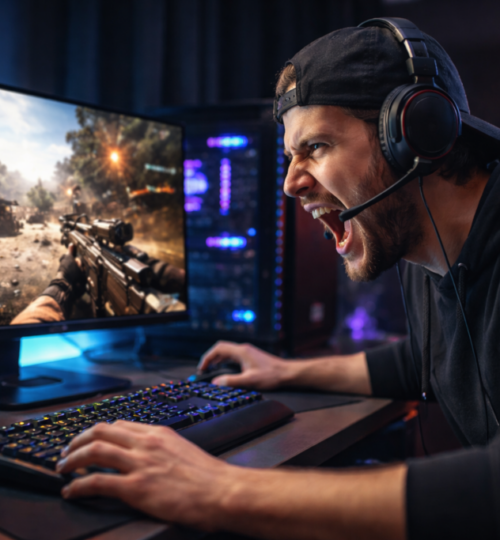
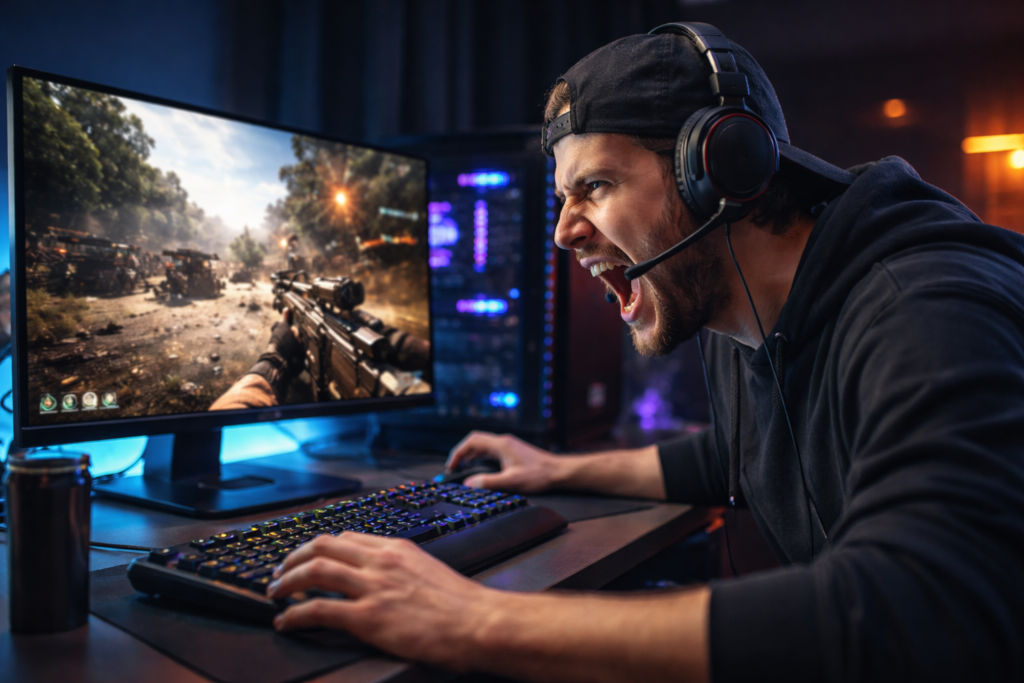
Multiplayer gaming has always been about more than just mechanics, stats, and win-loss records. From early online ladders to modern ranked matchmaking systems, competitive gaming has created something deeper than gameplay. It has created emotional investment. Players are not just controlling characters on a screen. They are competing, identifying with their performance, and often tying their sense of progress and identity to the outcome of matches.
For many communities, this emotional intensity is part of the culture. Excitement, frustration, hype, and even anger are often seen as normal parts of being a gamer. The phrase “that’s just gaming” gets thrown around frequently to explain everything from celebratory yelling to heated arguments.
But there is a line. And in modern multiplayer environments, especially those with ranking systems, streaming visibility, and persistent progression, that line is crossed more often than many communities are willing to admit.
Understanding the emotional landscape of multiplayer gaming is essential for building a healthier and more sustainable community. Not by removing passion, but by recognizing when it becomes harmful and learning how to manage it.
Why Multiplayer Games Trigger Strong Emotions
At the core of multiplayer gaming is competition. Whether it is a casual match or a ranked climb, players are constantly measuring themselves against others. This creates a powerful feedback loop.
Wins feel validating. Losses feel personal.
Several factors amplify this emotional intensity:
- Time investment: Players often spend hours grinding ranks or improving skills. Losing can feel like wasted time.
- Public performance: Teammates and opponents witness every mistake and success.
- Skill identity: Players often tie their self-worth to their perceived skill level.
- Unpredictability: Outcomes are influenced by teammates, opponents, and game balance, not just personal performance.
These elements combine to create a high-stakes emotional environment, even when nothing tangible is on the line.
The Positive Side of Emotional Investment
Not all emotional reactions are negative. In fact, many of the best parts of multiplayer gaming come from this intensity.
Clutch moments, comeback wins, and perfectly executed strategies create memories that stick with players for years. These moments build bonds within teams and communities.
Motivation to improve
Frustration can push players to analyze their mistakes, refine strategies, and develop new skills. Many high-level players credit their growth to moments where they felt challenged or even defeated.
Community identity
Communities often form around shared experiences. Inside jokes, rivalries, and memorable matches all contribute to a sense of belonging.
Adrenaline and engagement
Multiplayer games provide a level of engagement that is difficult to replicate elsewhere. The emotional highs make the experience feel alive and meaningful.
This is the side of gaming that keeps players coming back.
When Negative Emotions Become the Norm
The problem begins when negative reactions are no longer occasional but expected.
In many multiplayer environments, behaviors like rage, trash talk, and blame shifting are normalized. Players are often told to “toughen up” or accept toxicity as part of the experience.
Over time, this creates a culture where:
- Anger is seen as competitive drive
- Toxic communication is mistaken for passion
- Burnout is ignored or dismissed
- Players feel pressured to tolerate negativity to fit in
This normalization can quietly reshape a community’s identity. What was once a competitive but supportive environment can become hostile and draining.
Recognizing When It Becomes a Problem
Not every negative reaction is harmful. Frustration is natural. The key is recognizing when it crosses into something that affects your experience and the people around you.
Here are some signs that emotional reactions may be becoming overwhelming:
Frequent anger during gameplay
If most sessions involve yelling, blaming teammates, or feeling consistently irritated, it is a sign that something is off.
Carrying frustration beyond the game
When emotions linger after logging off and affect mood, relationships, or daily life, the impact is no longer contained within the game.
Loss of enjoyment
If playing starts to feel like an obligation rather than entertainment, it may be time to reassess.
Negative communication patterns
Constantly arguing, insulting teammates, or engaging in toxic chat behavior contributes to a cycle that affects everyone in the match.
Physical signs of stress
Increased heart rate, tension, fatigue, or headaches during or after sessions can indicate that the experience is becoming unhealthy.
Recognizing these signs is not about labeling yourself as a bad player or person. It is about maintaining control over your experience.
The Impact on the Community
Individual behavior does not exist in isolation. In multiplayer environments, one player’s emotional reaction can influence an entire lobby.
Team performance suffers
Negative communication reduces coordination and trust. Players are less likely to collaborate effectively when the environment feels hostile.
New players feel unwelcome
Communities grow when new players feel encouraged to participate. Toxic environments drive them away before they can become long-term members.
Reputation spreads
Communities known for negativity struggle to attract and retain players. Reputation matters, especially for platforms trying to rebuild or grow.
Positive voices get drowned out
When negativity becomes dominant, players who want a healthier experience often disengage or leave entirely.
For a community trying to grow, maintaining a balance between competitive intensity and mutual respect is critical.
Strategies to Manage Emotional Overload
The goal is not to remove emotion from gaming. It is to manage it in a way that keeps the experience enjoyable and sustainable.
Here are practical strategies that players can use:
- Step away when needed. Taking a short break can reset your mindset. Even a ten-minute walk can reduce frustration and improve focus.
- Switch game modes or genres. If competitive matches feel overwhelming, switching to a different type of game can help. Single-player games or casual modes allow you to engage without pressure.
- Focus on skill development instead of outcomes. Shifting your mindset from winning to improving can reduce frustration. Treat each match as practice rather than a final judgment.
- Limit session length. Long sessions can lead to fatigue and reduced patience. Setting a time limit helps maintain a healthier balance.
- Mute or filter negative communication. Most games provide tools to control chat and voice interactions. Use them when necessary to protect your experience.
- Play with a consistent group. Teaming up with players who share a similar mindset can create a more stable and enjoyable environment.
- Reflect instead of react. After a frustrating match, take a moment to identify what went wrong and what could be improved. This turns negative energy into constructive growth.
Building a Healthier Competitive Mindset
A strong competitive mindset is not about suppressing emotion. It is about channeling it effectively.
Accept variance. Not every match is winnable. Factors outside your control will influence outcomes. Accepting this reduces unnecessary frustration.
Separate identity from performance. A bad match does not define your skill or worth as a player. Keeping this perspective helps maintain confidence.
Celebrate small improvements. Progress is not always reflected in wins. Recognizing incremental growth keeps motivation high.
Respect the experience of others. Every player in a match is investing their time. Treating others with respect contributes to a better overall environment.
The Role of Community Leaders and Platforms
Communities are shaped not just by individual players, but by the systems and leaders that guide them.
Platforms and community organizers can encourage positive behavior through clear guidelines and highlight constructive players and content. They can provide tools for moderation and reporting or create spaces for discussion and support.
For a community rebuilding itself, this is an opportunity to define a new standard. One that values competition without sacrificing respect.
Conclusion
Multiplayer gaming thrives on emotion. The excitement of competition, the drive to improve, and the shared experiences all contribute to what makes these games compelling.
But when negative reactions become normalized, they can undermine both individual enjoyment and community growth.
Recognizing when emotions are becoming overwhelming is not a weakness. It is a skill. Managing those emotions allows players to stay engaged, improve over time, and contribute positively to the community around them.
As communities continue to evolve, especially those being rebuilt or revitalized, there is an opportunity to shape a culture that embraces both passion and balance.
Because at its best, multiplayer gaming is not just about winning matches. It is about building experiences worth coming back to.