Casual vs Hardcore: A Fake War That Never Ends
Few debates in gaming have lasted as long or burned as brightly as the supposed divide between “casual” and “hardcore” players.

Few debates in gaming have lasted as long or burned as brightly as the supposed divide between “casual” and “hardcore” players.
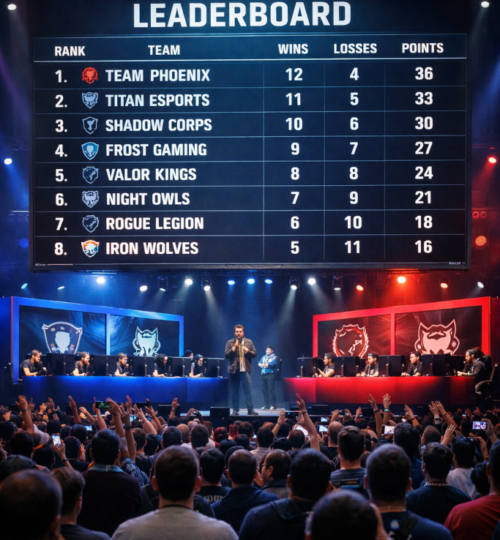
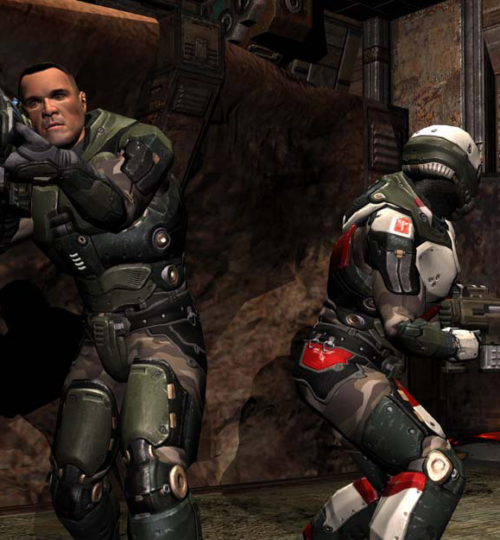
Few things in gaming stir emotion as reliably as a ranked match.
You queue up believing the next game will reflect your true skill.
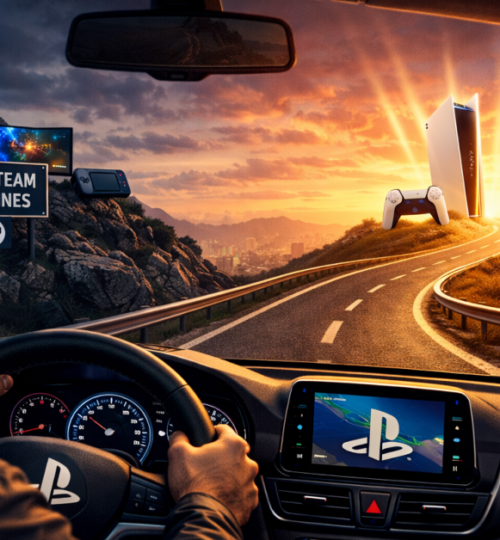
In recent years, the relationship between console manufacturers and the PC gaming ecosystem has been changing.
Nostalgia has always had a place in entertainment. Film buffs revisit classic movies. Music fans replay albums from high school. Readers return to beloved novels.
For decades, the gaming PC has lived in one place. A desk. A chair. A keyboard and mouse positioned with surgical precision. The glow of a monitor at arm’s length.
There are certain games that define a moment, and then there are games that continue to define entire generations long after their release.
For more than a decade, the gaming industry seemed locked in an arms race. Budgets ballooned. Marketing campaigns rivaled Hollywood.
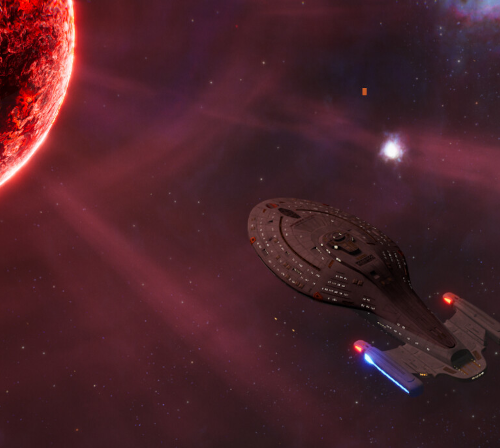
There is something timeless about being stranded far from home. For decades, Star Trek: Voyager told a story about survival on the edge of explored space.
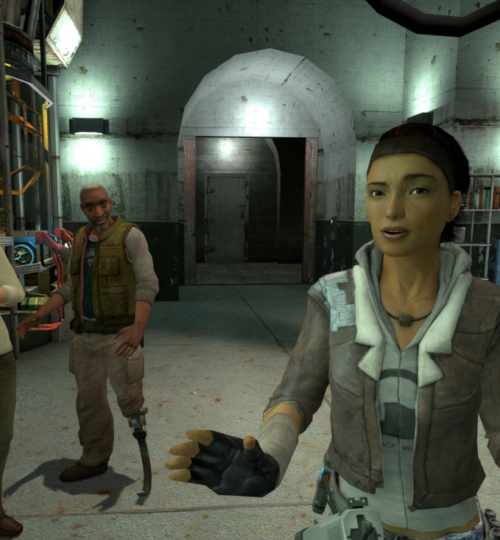
There is something uniquely satisfying about revisiting a game that sits right on the edge of two eras.
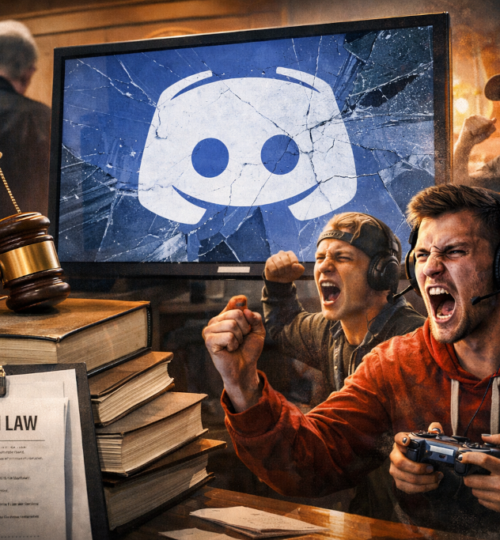
For most gamers, operating systems sit quietly in the background. California is advancing digital safety laws that push companies toward implementing age verification or age assurance systems.
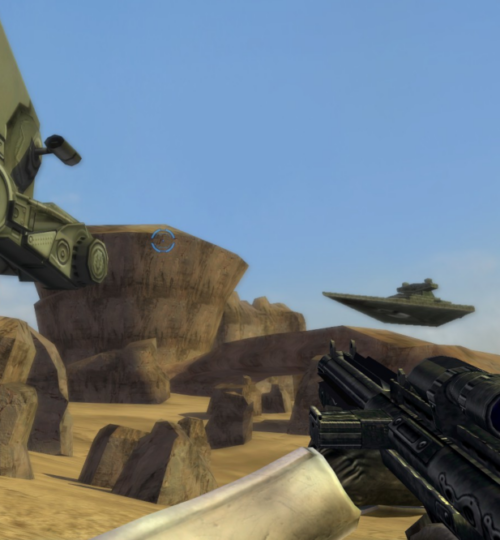
When Star Wars Battlefront released in 2004, it offered something that fans of the Star Wars universe had imagined for decades but rarely experienced in games.
Today, we can say that the restoration has entered its next phase. The legacy records are now searchable.
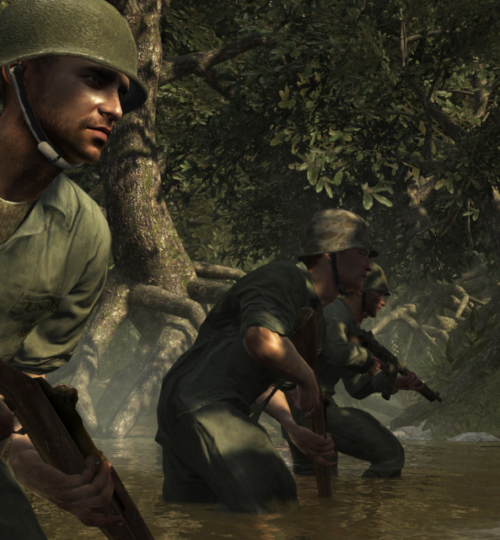
When Call of Duty: World at War launched in 2008, the series was riding a wave of momentum. The previous entry, Call of Duty 4: Modern Warfare, had redefined multiplayer shooters and introduced millions of players to a new style of cinematic military storytelling.
For the past two decades, competitive gaming has followed fairly predictable arcs. Arena shooters evolved into tactical shooters. Real time strategy gave way to MOBAs.
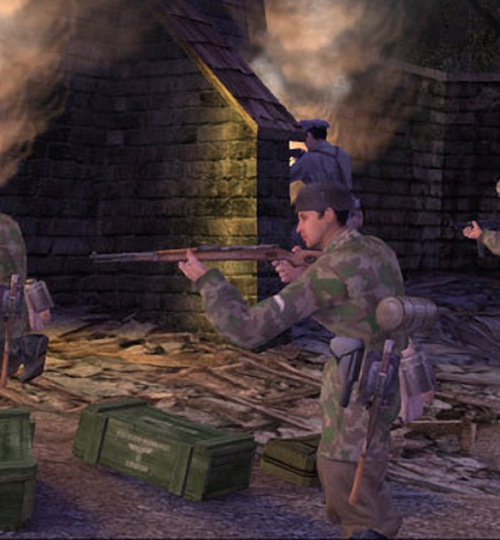
When the original Call of Duty released in 2003, the World War II shooter genre was already crowded. Titles like Medal of Honor and Allied Assault had set expectations…