OLED vs. High-Refresh IPS in 2026: Which Panel Tech Actually Gives You the Competitive Edge in Fast-Paced Shooters?
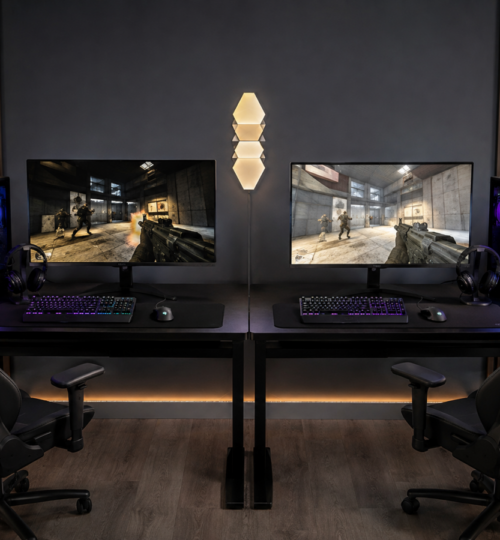
Competitive monitor buying used to be relatively straightforward.

Competitive monitor buying used to be relatively straightforward.
For years, PC ownership in gaming could be divided by a familiar argument: build it yourself or buy it ready-made. That debate always flattened several very different buyers into the same two camps.
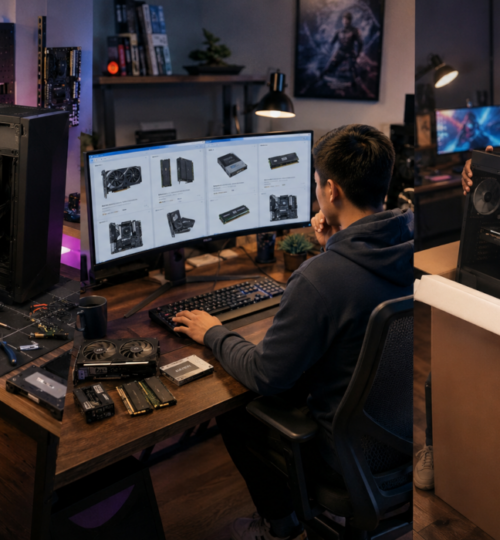
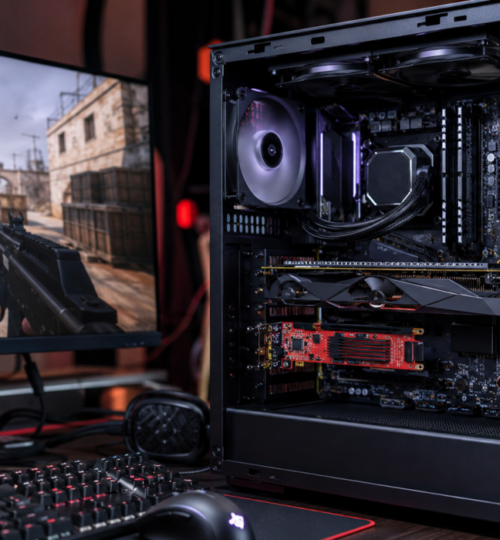
High-end graphics cards are easy to rank if the only question is which one produces the most frames. The RTX 5090 wins that contest, the RTX 5080 follows, and the RTX 5070 finishes third.
Cloud gaming has spent years fighting the same accusation; it feels fine until the game asks for precision.
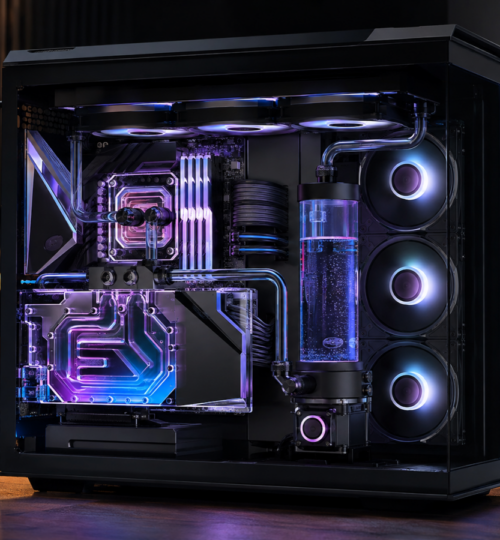
The thermal problem at the top end of PC gaming has changed from “keep the GPU reasonably cool” to “move several hundred watts of heat out of one small area without turning the entire system into a hot box.”
There was a time when a multiplayer game’s release date represented a fairly clear dividing line.
For most of online gaming history, anti-cheat has been built around a familiar hunt: identify the cheat software, detect the hook, catch the injected code, find the altered memory, or match a known signature and then remove the account.
Competitive multiplayer has always had a communication problem hiding inside one of its greatest strengths.
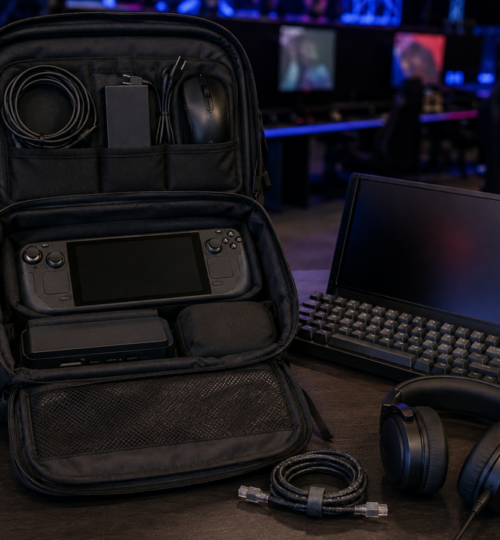
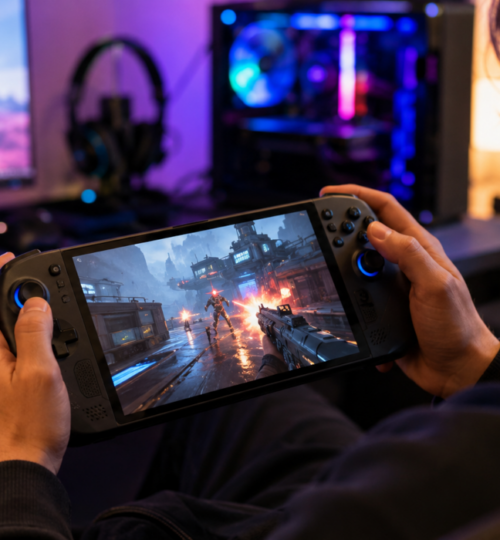
Gaming handhelds have reached the point where showing up to a LAN with one no longer feels like a stunt.
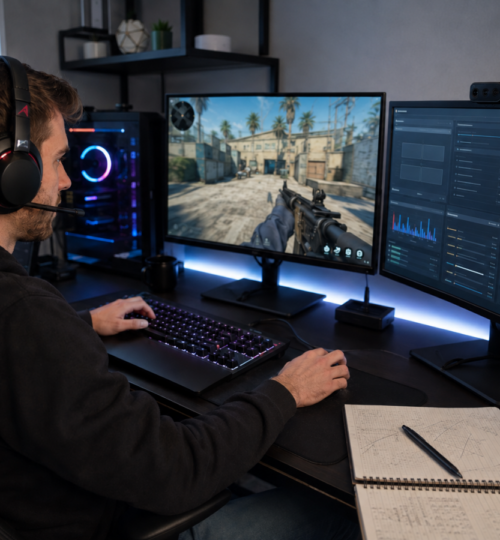
For years, the standard mental model of PC cheating was software fighting software.
Limited-run betas are strange little windows. Everyone knows the build may be unfinished, progression may vanish, balance may change, and servers may buckle under the load, yet competitive players still recognize the value immediately.
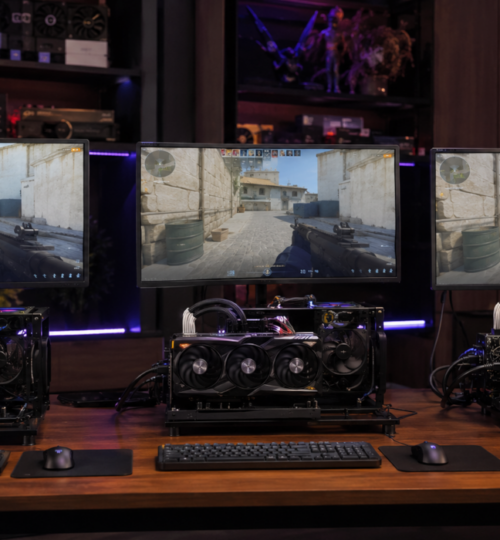
A tactical shooter can feel wrong long before a player can explain why.
For years, competitive map knowledge meant learning a fixed object.
For most of PC gaming history, serious competitive play came with an unwritten hardware requirement.
For years, the basic punishment loop in online gaming was painfully predictable. A player cheated, the publisher banned the account, and the same player returned under a fresh username before the evening was over.