
The Raid Was Thrilling, Until It Became a Second Job
For a while, extraction shooters felt like the natural next evolution of competitive multiplayer. They took the survival tension of battle royale, the gear hunger of RPGs, the map knowledge of tactical shooters, and the squad pressure of old-school objective modes, then wrapped it all in one brutal question: can you get out alive?
That question is powerful. It is why Escape from Tarkov became more than a game and turned into a genre blueprint. It is why Hunt: Showdown built such a loyal following. It is why newer projects like ARC Raiders, Marathon, Arena Breakout: Infinite, Gray Zone Warfare, and Delta Force: Hazard Operations have all chased some version of the same dream. The extraction format gives players something most shooters struggle to create: real fear. Not scripted fear. Not cinematic fear. Actual “my hands are sweating because I might lose everything” fear.
But every trend eventually meets the wall. For extraction shooters, that wall is not just balance, cheating, monetization, or matchmaking. It is fatigue.
Players are not necessarily tired of high-stakes shooters. They are tired of the baggage wrapped around them. They are tired of inventory management, stash anxiety, wipe schedules, economic imbalance, brutal onboarding, gear fear, suspicious deaths, and the feeling that one bad raid can erase an entire night of progress.
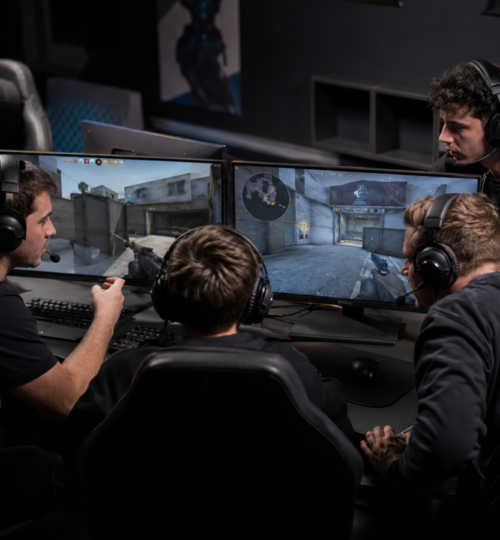
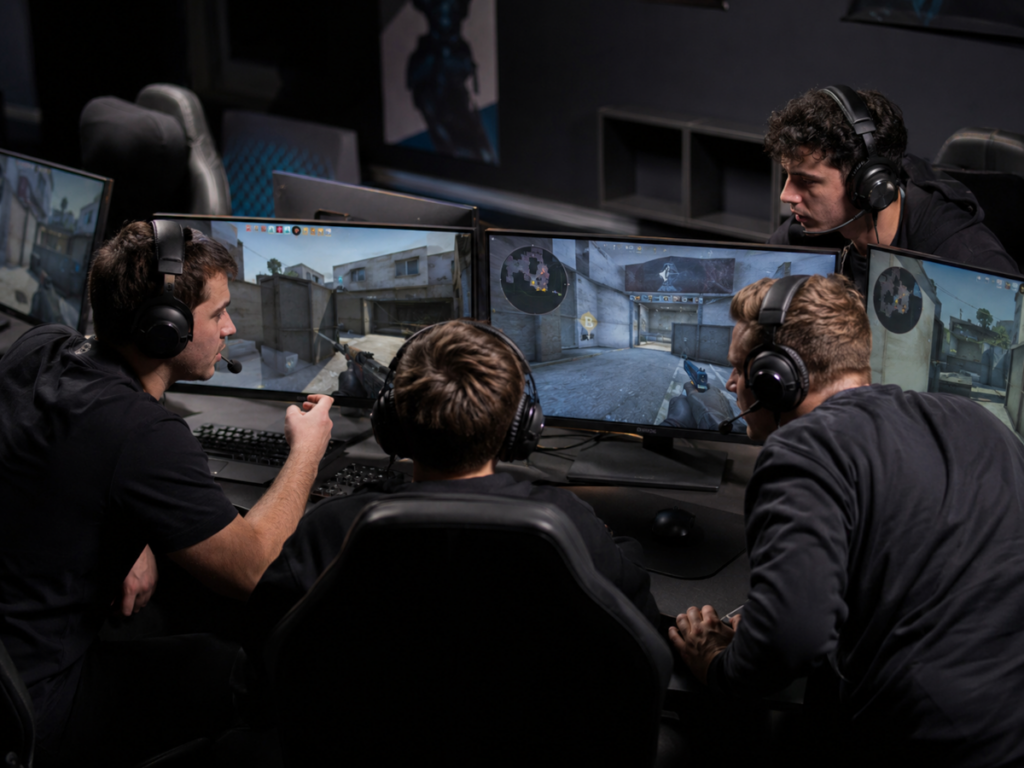
That is why more players are rediscovering the appeal of classic bomb-based modes like Search and Destroy, Counter-Strike bomb defusal, and VALORANT’s spike plant and defuse format. The community is not rejecting tension. It is pivoting back toward cleaner tension.
Extraction Shooters Became the Industry’s Favorite Shortcut to Intensity
The extraction shooter is an elegant idea on paper. Drop players into a hostile map. Scatter valuable loot, AI threats, environmental danger, and other squads around them. Let them choose their own risk level. Then make escape the true objective.
That structure turns every decision into a gamble. Do you push the gunfire? Do you loot one more room? Do you third-party another squad? Do you extract early with modest rewards, or stay longer and risk it all? The best extraction shooters make the map feel alive because danger is unscripted. A quiet raid can become a disaster in five seconds.
That formula has proven it can attract serious attention. Escape from Tarkov remains one of the genre’s defining titles, while ARC Raiders has become one of the biggest recent examples of a more accessible extraction shooter. Bungie’s Marathon reboot also moved the classic sci-fi franchise into online extraction shooter territory, with teams of three fighting over resources, survival, and escape on Tau Ceti IV.
The problem is that once a design becomes fashionable, everyone starts borrowing the surface-level idea without always understanding the cost. Extraction systems are not just “battle royale plus loot.” They require durable economies, meaningful map flow, anti-cheat investment, progression pacing, inventory design, server reliability, and a player base willing to accept repeated failure. That is a lot to ask from both developers and communities.
Even coverage of recent genre trends has started acknowledging the rise and fatigue cycle around extraction shooters, placing it alongside other industry waves like battle royale, deckbuilders, and survival games. The genre still has fans. It still has room to evolve. But the honeymoon phase is over.
The Problem With Losing Everything
The heart of extraction fatigue is emotional math. In a Search and Destroy round, death hurts. You get picked crossing mid. You whiff a clutch. You lose a 1v2. Maybe your team flames you for missing the defuse timing. But the round ends, the next round begins, and everyone resets. Your failure matters, but it does not follow you home.
In an extraction shooter, failure can follow you into the next match. You lose your kit. You lose your loot. You lose your quest item. You lose your confidence. You might even lose access to the gear needed to compete comfortably in the next raid. That persistence is the magic, but it is also the poison.
Hardcore players often love that pain because it creates meaning. When you survive with rare loot, the win feels earned. When you wipe a geared squad, the adrenaline is real. But for broader communities, especially players with limited time, the punishment loop can become exhausting.
A classic competitive mode asks, “Can you make the right decision this round?” An extraction shooter often asks, “Can you survive this round, preserve your economy, manage your stash, complete a task, identify the threat, avoid cheaters, understand the map, and not ruin your next three matches?” That complexity can be incredible for dedicated players. It can also become homework.
Gear Fear Is Real, and It Changes How People Play
One of the strangest side effects of extraction design is that it can discourage players from using the very rewards they earned. Anyone who has played these games knows the pattern. You get a strong weapon, good armor, rare attachments, or valuable consumables. Instead of using them, you save them. Then you save them again. Then they sit in the stash like a trophy you are afraid to touch. You are not playing the game anymore. You are protecting a spreadsheet.
That gear fear creates passive play. Players avoid fights they might otherwise take. They camp extracts. They run budget kits. They avoid experimenting. They choose survival over expression. That can be valid strategy, but after enough raids, it can also make the game feel less like a shooter and more like a stress-management simulator.
Search and Destroy avoids that problem through structure. Yes, there may be a round economy in games like Counter-Strike. Yes, weapon choices matter. Yes, a bad buy can cost you. But the economy is contained inside the match. You are not carrying yesterday’s mistakes into tonight’s queue. That reset is powerful. It lets players take risks. It lets teams adapt. It lets a bad round become a lesson instead of a financial disaster.
Cheating Hurts Every Shooter, But It Hurts Extraction More
Cheating is a problem across competitive gaming, but extraction shooters are uniquely vulnerable because the losses are persistent. Getting cheated in a respawn mode is annoying. Getting cheated in Search and Destroy can cost a round or a match. Getting cheated in an extraction shooter can cost your entire loadout, your rare loot, your quest progress, and your willingness to queue again.
That is why anti-cheat conversations around extraction shooters become so heated. ARC Raiders, for example, has been preparing a kernel-level anti-cheat system to address increasingly sophisticated cheating tools, especially in high-activity areas of the game. The reporting also notes the challenge of avoiding false bans, including concerns involving accessibility devices.
This is the brutal reality for modern shooter developers: players want strong anti-cheat, but they also want trust, transparency, privacy, and fairness. Extraction games raise the stakes because each suspicious death feels more expensive. The player does not just ask, “Was that guy cheating?” They ask, “Did I just waste my entire night?” That is a dangerous feeling for retention.
Why Search and Destroy Still Works
Search and Destroy is one of the cleanest competitive formats ever built for online shooters. Call of Duty’s official mode guide describes it as a round-based objective mode where each player has one life per round, with one team attacking and the other defending. That simplicity is the secret.
Two bomb sites. One attacking side. One defending side. No respawns. Limited time. Clear win conditions. Every player understands the mission almost immediately, but mastering it can take years.
The format creates tension without clutter. It rewards aim, but not only aim. It rewards patience, sound discipline, utility usage, timing, baiting, trading, reading habits, and adapting to the enemy team. It gives room for lurkers, entry players, snipers, support players, shot-callers, clutch specialists, and aggressive maniacs who somehow make terrible ideas work.
More importantly, Search and Destroy produces stories. The 1v3 clutch. The ninja defuse. The fake rotate. The failed ego chall. The last-second plant. The teammate who says “trust me” and then either becomes a genius or a public safety hazard. That is multiplayer gold.
The Counter-Strike and VALORANT Effect
The pivot back to classic objective play is not just nostalgia. It is also reinforced by the continued strength of games built around bomb or spike formats. Counter-Strike’s primary competitive identity still revolves around bomb defusal. Standard bomb defusal matches pit Terrorists against Counter-Terrorists, with attackers trying to plant and defend the bomb while defenders try to stop the plant, eliminate attackers, or defuse after the plant. Eliminated players do not respawn until the next round.
VALORANT modernized that same core with agents, abilities, and the spike. Its plant and defuse format still revolves around attackers planting at a site and defenders preventing the plant or defusing after it goes down.
These games show why the format survives. You can modernize the movement, weapons, utility, maps, ranking systems, cosmetics, broadcast tools, and esports structure, but the core loop remains timeless. Attack. Defend. Trade. Rotate. Plant. Retake. Clutch.
It is easy to understand and nearly impossible to solve. That matters in an era where many multiplayer games feel like they are trying to be everything at once. Classic objective modes are not thin. They are focused.
Players Want Stakes Without Administrative Burden
The big lesson from extraction fatigue is not that players hate consequence. Competitive players love consequence. They love ranked points. They love clutch pressure. They love rivalries. They love seeing a scoreboard prove who showed up and who folded. What they do not always love is administrative burden.
Many extraction shooters ask players to spend significant time outside the actual firefight. You organize stash space. Compare ammo types. Sell junk. Heal injuries. Check quests. Build kits. Insure gear. Manage currencies. Watch market prices. Learn obscure item value. Research extraction points. Study maps like you are preparing for a final exam.
For some players, that is the game. For others, that is the tax they pay before the fun starts. Search and Destroy strips the experience down. The strategy is still deep, but the preparation is immediate. Your squad can queue, play rounds, make calls, and improve without needing a logistics officer in Discord.
That is one reason the format remains so valuable to legacy competitive communities. It respects the player’s time while still respecting the player’s skill.
Spectators Understand Bomb Modes Faster
There is also a broadcast and community angle here. Extraction shooters can be exciting to watch, but they are often messy for spectators. Multiple squads may be spread across a large map. Objectives can be personal rather than shared. The most important moment might be a loot decision, a quiet reposition, or an extraction route that only experienced players understand. The tension is real, but it is not always readable.
Search and Destroy is instantly readable. The attacking team needs to plant. The defending team needs to stop or defuse. The clock matters. The player count matters. The bomb location matters. The audience can understand the drama even if they do not know every weapon stat or map callout.
That clarity is why bomb modes have remained so strong in esports. A 1v1 post-plant situation does not need a 20-minute explanation. The crowd gets it. The caster gets it. The players get it. Everyone leans forward. For a revived legacy gaming hub, that matters. Community competition thrives when matches are easy to follow, easy to organize, and easy to care about.
Nostalgia Is Part of It, But Not All of It
Veteran players remember the old rhythm. The dead silence before a push. The teammate calling “bomb down.” The entire lobby watching one player try to clutch. The satisfaction of reading a rotate perfectly. The pain of losing because someone sprinted when they should have walked.
There is nostalgia in that, absolutely. But the return to Search and Destroy-style modes is not just old heads wanting the past back. Younger players raised on VALORANT, CS2, and modern Call of Duty understand the appeal too. The format works because it creates human drama in small, repeatable rounds.
Extraction shooters often create long-form survival stories. Search and Destroy creates short-form competitive drama. Both are valuable. But when players are tired, busy, or burned by punishing progression systems, short-form drama starts to look very attractive.
The Future Is Not Extraction Versus Search and Destroy
This is not a funeral for extraction shooters. The genre is not dead, and the best versions still offer something special. A great raid can produce tension that no standard 6v6 mode can replicate. The feeling of escaping with valuable loot after a chaotic fight is still unmatched.
But extraction shooters may need to stop pretending every player wants the harshest possible version of that fantasy. Even within the genre, there is tension between hardcore identity and broader accessibility. Recent discussion around Escape from Tarkov and ARC Raiders highlights that split, with Tarkov leadership emphasizing a more painful, challenging, and rewarding experience while describing ARC Raiders as more casual-facing.
That divide is important. Some players want pain. Some want pressure. Those are not the same thing. Search and Destroy succeeds because it delivers pressure without requiring pain to be the entire brand. It gives players consequences, but it also gives them reset points. It gives teams structure, but it leaves room for creativity. It creates heroes and villains every round.
Why This Matters for Competitive Communities
For legacy multiplayer communities, the lesson is clear: the most durable modes are not always the trendiest. They are the ones that let players build identity around skill, teamwork, rivalry, and repeatable competition. Extraction shooters are excellent at creating personal stakes. Search and Destroy is excellent at creating community stakes.
One player can become known as the clutch guy. Another becomes the entry demon. Another becomes the patient defender nobody can bait. Teams develop site takes, retake protocols, fake pushes, utility habits, and rivalries that survive beyond one match. The mode gives communities language, memory, and structure.
That is the kind of foundation a revived esports hub can build around. The industry may keep chasing the next big survival loop, the next persistent economy, or the next high-risk loot system. But sometimes the strongest competitive design is still the simplest one: two teams, one bomb, one life, and a few seconds left on the clock.
Extraction shooters gave players fear. Search and Destroy gives them focus. And right now, focus is exactly what a lot of the shooter community seems hungry for.