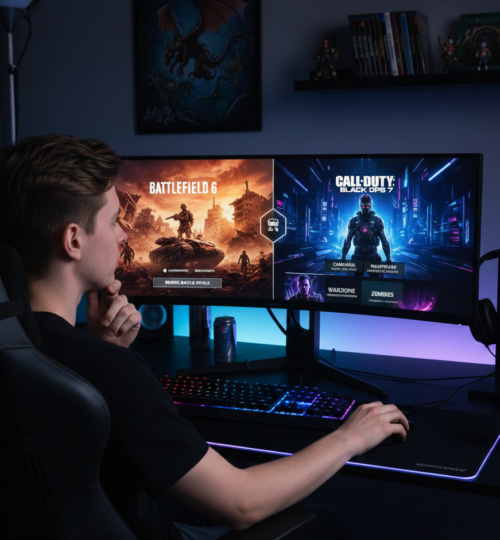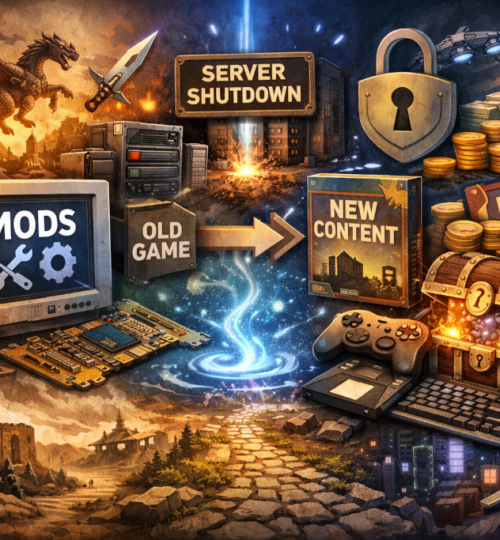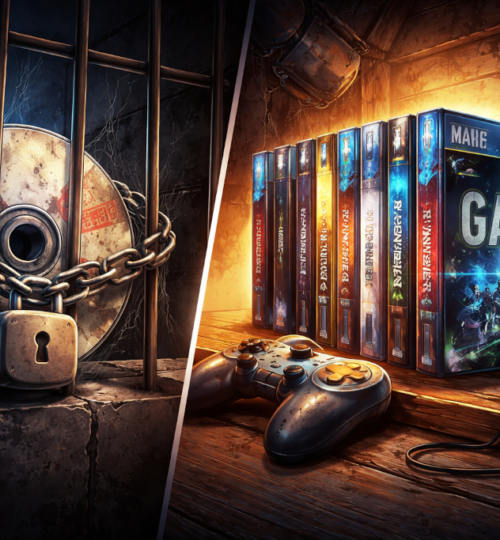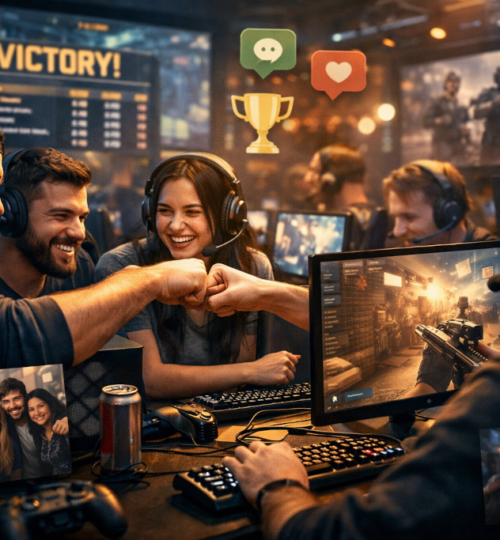
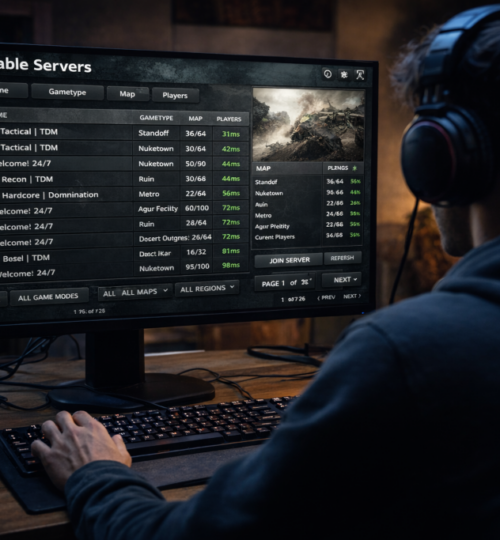
The Server Browser Debate: Why Players Keep Asking and Why Developers Keep Saying No
For players who grew up on competitive multiplayer shooters, the server browser is not just a feature. It is a philosophy.
Gaming Community
For players who grew up on competitive multiplayer shooters, the server browser is not just a feature. It is a philosophy.
Virtual reality has been labeled “the future of gaming” more times than most players can count.
The year 2026 marks a definitive turning point for the competitive gaming industry. For over a decade, the esports sector was defined by a gold rush mentality.
For decades, the video game industry revolved around a simple transaction. You bought a game, you owned it, and you played it until something new caught your attention.
For most of gaming history, platforms were walls. You picked a console or a PC and that choice quietly shaped who you played with, how competitive your matches felt, and even how long a game stayed alive.
The dust has finally settled on the most chaotic holiday shopping season the first person shooter genre has seen in years.
Some games launch loud, burn bright, and disappear within a year. Others refuse to die.
There was a time when buying a game felt final in the best possible way. You paid for it, brought it home, and that copy became yours.
For decades, competitive gaming lived inside carefully guarded walls. PC players competed with PC players. Console players stayed in their own ecosystems.
There was a time when being a gamer was a niche identity. You had to seek it out.
Online communities exist everywhere. They form around hobbies, professions, fandoms, and shared beliefs.
For more than two decades, open world games have represented a promise. Vast landscapes. Total freedom.
There is a moment in almost every gamer’s life when a familiar game suddenly feels new again. The mechanics have not changed. The maps are the same.
Gaming has always been more than pixels on a screen. It is a shared language, a set of rituals, and a culture built by players talking to one another long before developers or marketers tried to define what gaming should look like.
There is a quiet truth in gaming that rarely shows up in trailers or sales reports. Some games do not survive because of publishers, marketing budgets, or post launch roadmaps.