Mechanical Skill vs Game Sense: What Matters More?
In competitive gaming, few debates last longer than the argument between mechanical skill and game sense. It shows up in every era, across every genre.

In competitive gaming, few debates last longer than the argument between mechanical skill and game sense. It shows up in every era, across every genre.
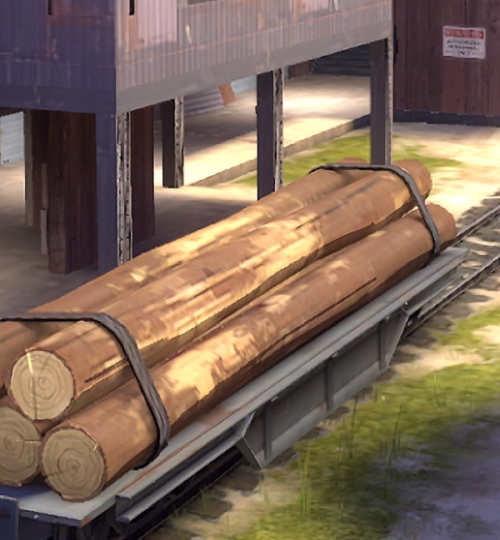
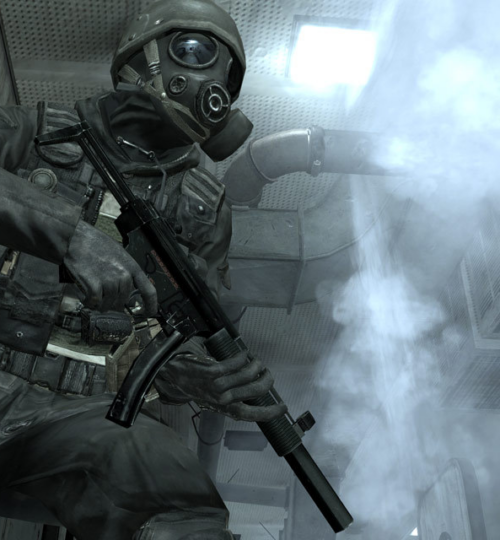
When Team Fortress 2 launched in 2007, it entered a crowded shooter landscape that was rapidly shifting toward realism. Military aesthetics were dominating the genre.
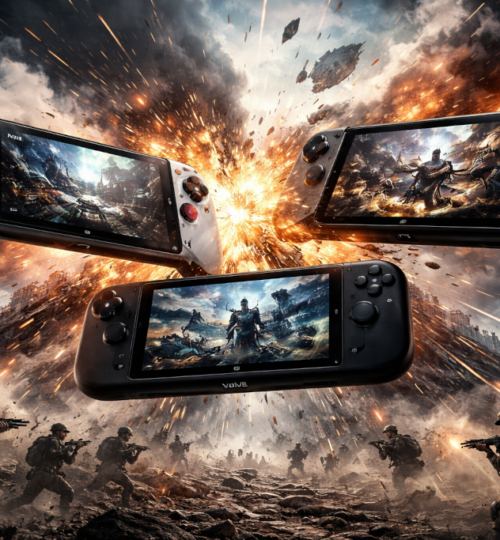
The handheld gaming PC space has evolved from curiosity to battleground in just a few short years.
Some games get remembered because they were the first to do something. Others get remembered because they did the fundamentals so well that everything afterward borrowed from them.
In 2024 and 2025, generative artificial intelligence burst onto the gaming scene like a tidal wave. Today in 2026, that story is shifting.
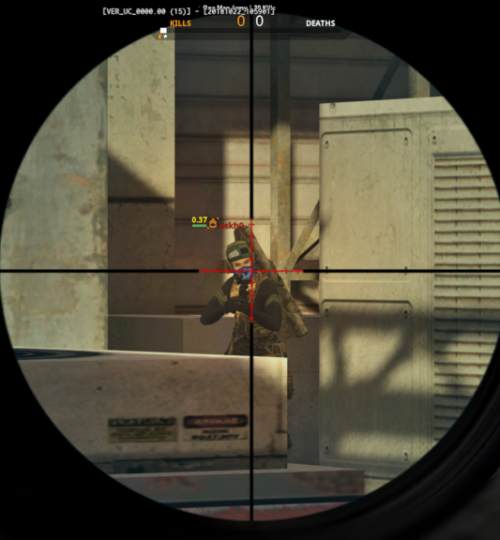
Combat Arms arrived at a very specific moment in PC shooter history. In 2008, most competitive FPS games still expected you to buy in. Combat Arms did the opposite.
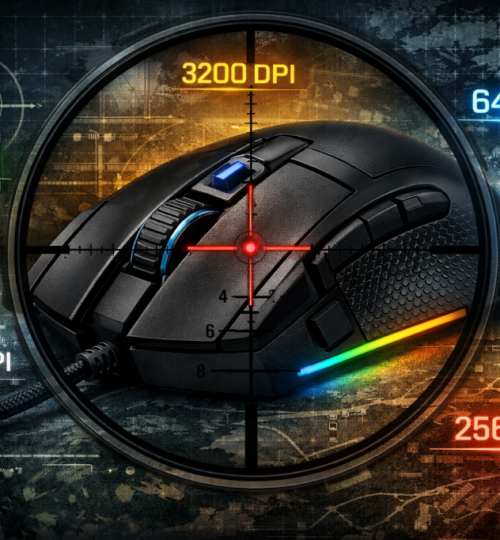
Few specs in PC gaming have been pushed harder in marketing than mouse DPI. Walk into any retailer or browse a hardware page and you will see numbers that climb into the stratosphere.
Some games do not just “age well.” They change what people expect from a whole genre, then spend the next decade getting copied, remixed, and argued about.
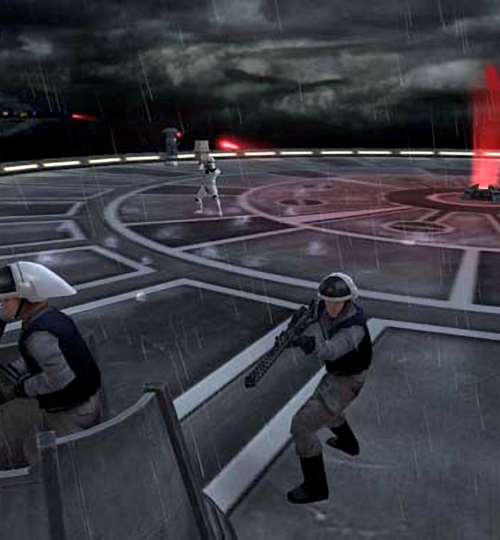
A big, loud Star Wars sandbox that still understands what “fun multiplayer chaos” means.
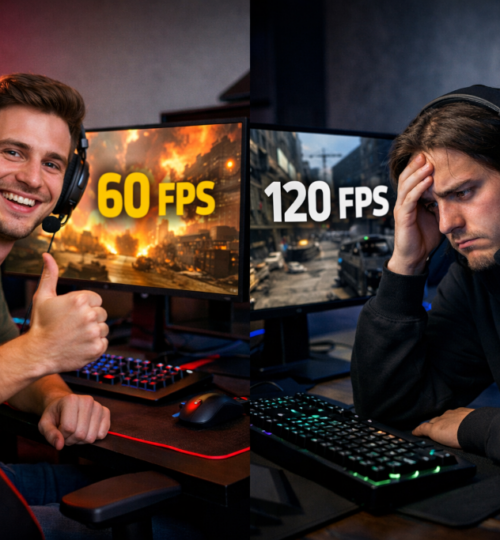
For years, higher frame rates have been treated as the gold standard of competitive gaming. The jump from 30 frames per second to 60 was transformative.
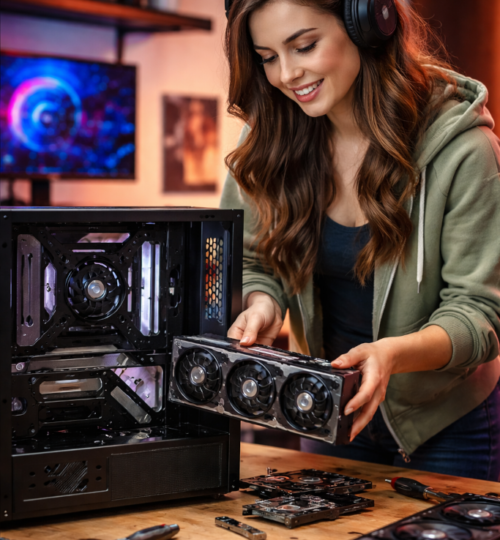
Every few years, the same conversation circles back through the gaming community. A new graphics card launches. Benchmarks flood YouTube.
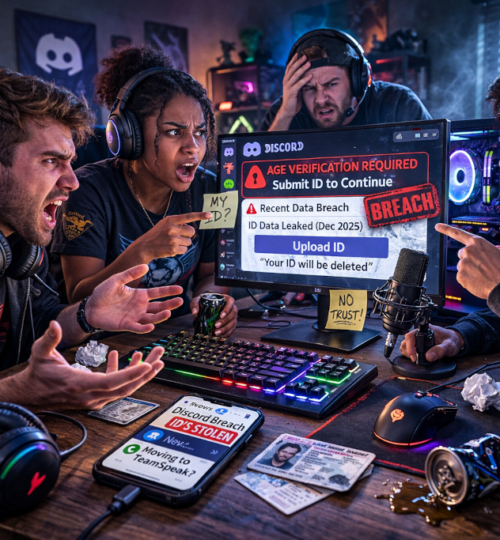
Discord is preparing to roll out a global age verification system beginning in March 2026 that will require some users to verify their age in order to unlock certain features.
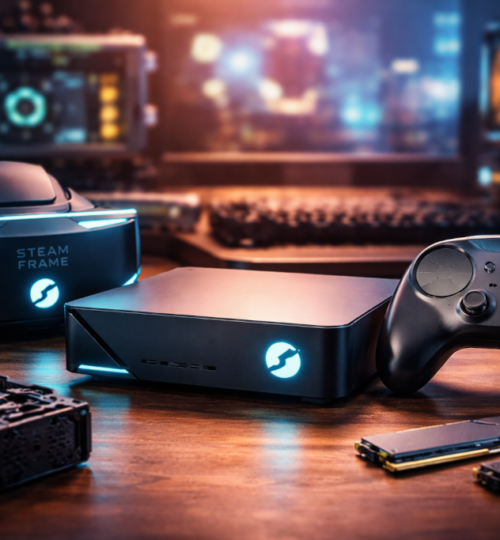
Valve has officially broken its silence on the next wave of Steam hardware.
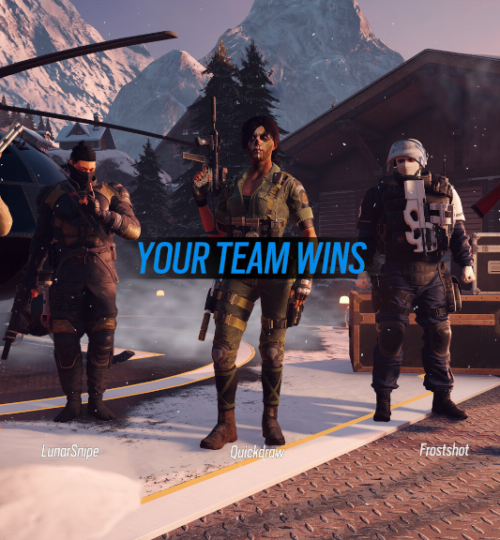
After more than a decade on the market, Tom Clancy’s Rainbow Six Siege continues to prove that tactical shooters can evolve without losing their identity.