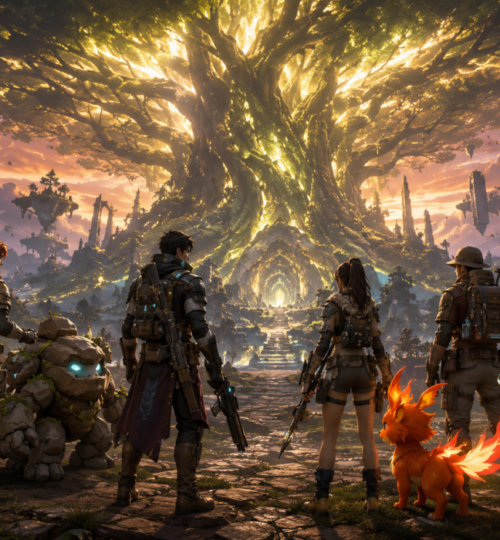
Can Early Access Produce True Esports?
Early Access has changed how multiplayer games are built, funded, tested, and marketed. Players no longer wait for a finished box to appear on a store shelf.

Early Access has changed how multiplayer games are built, funded, tested, and marketed. Players no longer wait for a finished box to appear on a store shelf.
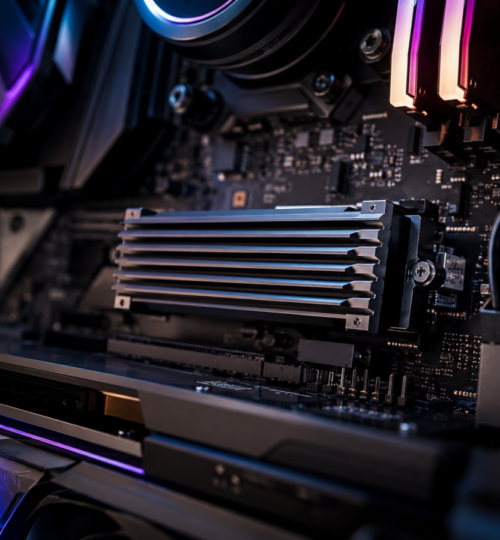
PCIe 5.0 SSDs look absurdly fast on a product page. Sequential read figures now reach roughly 14,800 MB/s on high-end consumer drives, nearly double the headline speed of many premium PCIe 4.0 models.
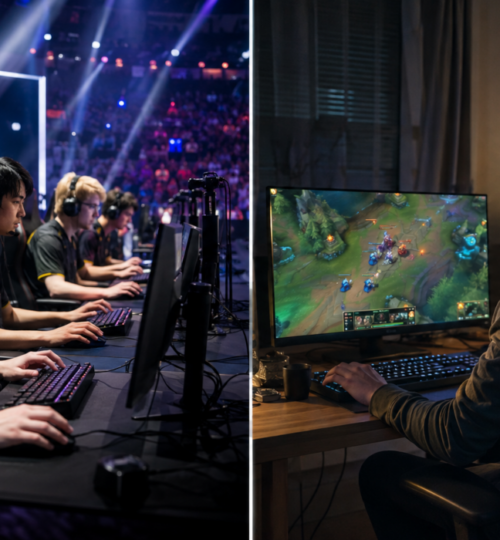
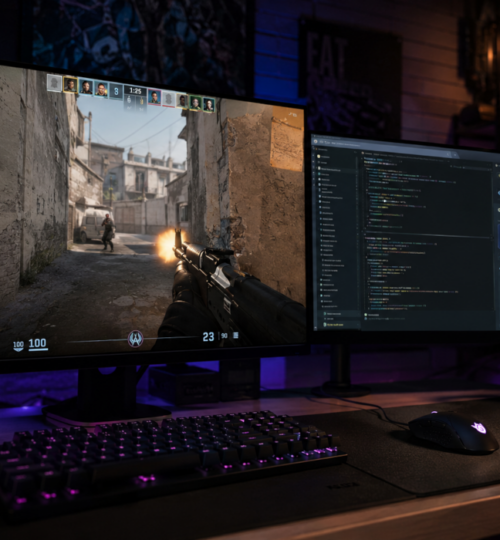
Competitive players rarely complain about average frame rate. A system can report 400 FPS in Counter-Strike 2 and still feel wrong during a smoke push, a fast rotation, or a crowded firefight.
Artificial intelligence has already entered gaming, but not in the form most players were promised.
Competitive games are built on a contradiction.
For years, optimizing Windows for competitive gaming meant disabling startup programs, selecting a performance power plan, updating the graphics driver, and hoping the operating system stayed out of the way.
Cross-play solved one of multiplayer gaming’s oldest problems. Friends no longer need matching hardware to stay together, and publishers can combine several platform populations into healthier matchmaking pools.
OLED gaming monitors have moved from luxury showpieces to serious competitive hardware.
Palworld’s early-access explosion was easy to understand. It took creature collecting, survival crafting, automated production, open-world exploration, and third-person gunplay, then smashed them together with almost no concern for genre purity.
The game business has spent several years describing layoffs, canceled projects, studio closures, and reorganizations as corrections after pandemic-era expansion.
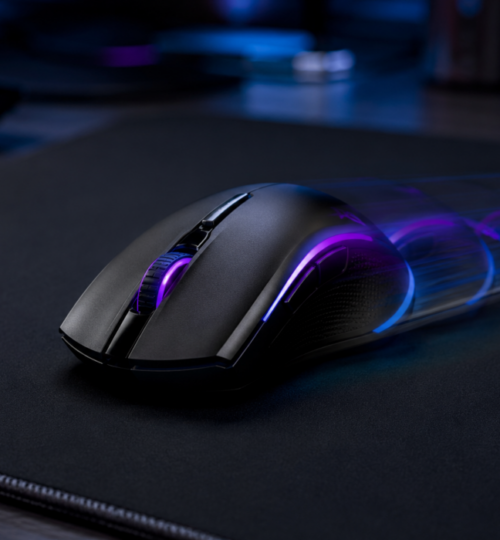
Gaming mouse manufacturers spent years fighting over sensor resolution.
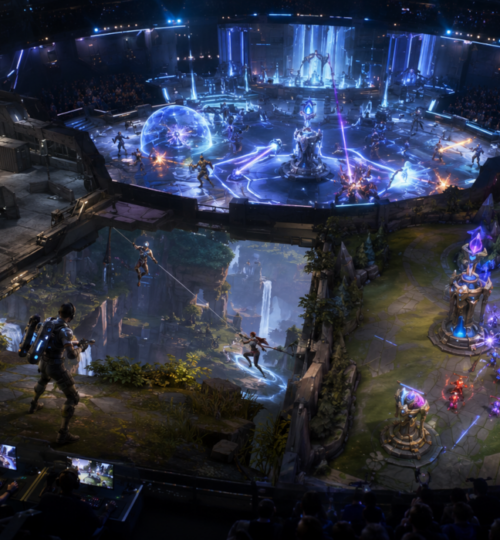
The hero shooter stopped being a two-game conversation in 2026. For years, most debates around ability-driven competitive shooters circled the same pair.
Game cheating has never required honorable craftsmanship. It has always attracted people willing to copy code, resell private builds, steal from rivals, and disappear when customers get banned.
Skill-based matchmaking was supposed to solve one of online gaming’s oldest problems.
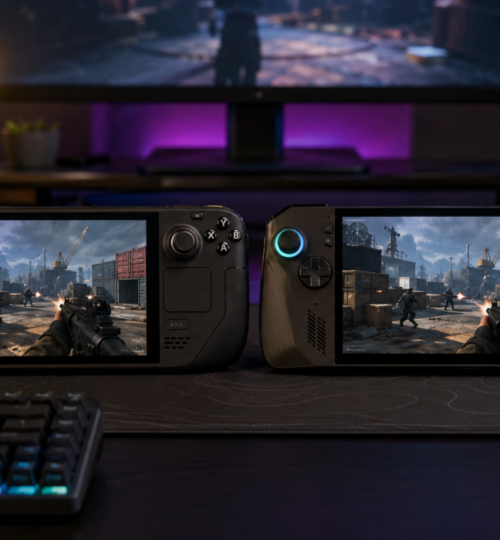
Portable PC gaming has moved beyond the novelty stage.