The Return of Proximity Voice Chat: Psychological Warfare Meets Modern Moderation
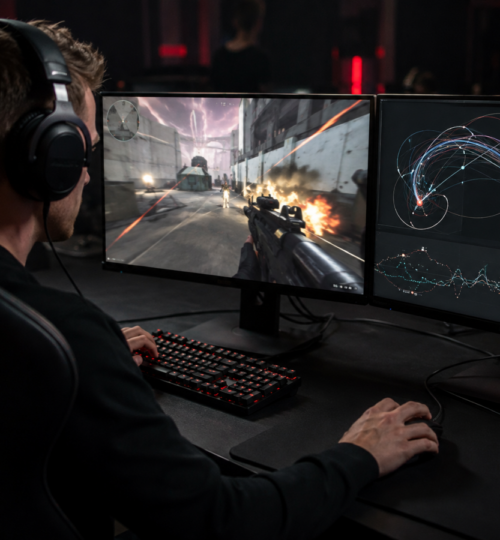
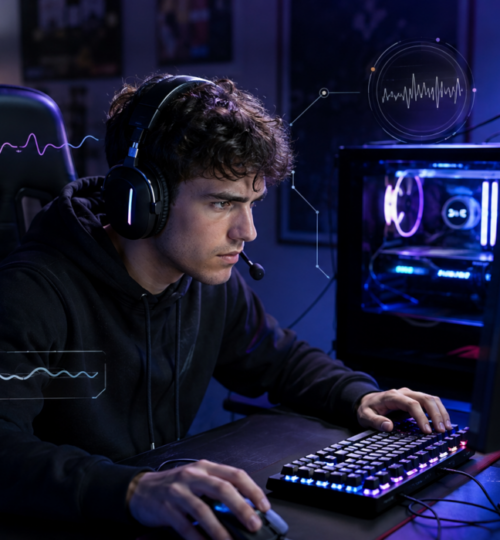
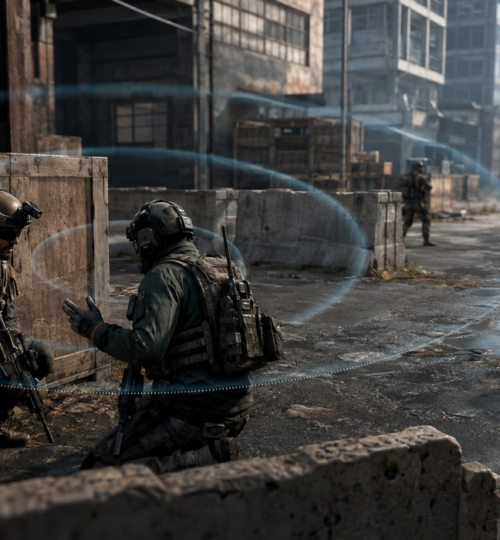
Proximity voice chat has turned the human voice back into a piece of multiplayer equipment.

Proximity voice chat has turned the human voice back into a piece of multiplayer equipment.
Competitive anti-cheat has spent years getting better at spotting the impossible.
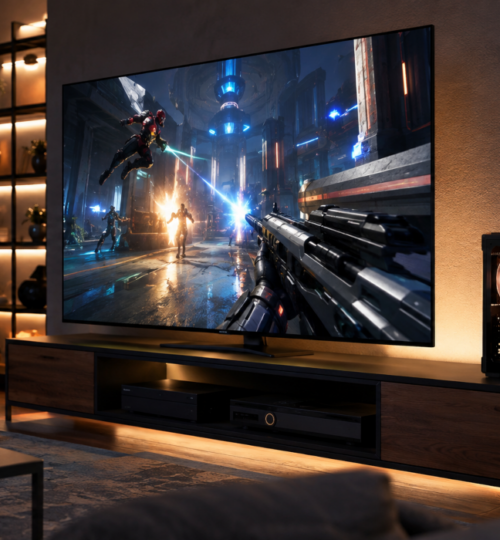
A living room gaming PC has a harder job than a desktop tower.
Esports has never had a shortage of new games trying to become the next permanent fixture.
A live-service game can survive a rough launch, a bad season, or a controversial balance patch. It has a much harder time surviving the slow removal of the people who keep it running.
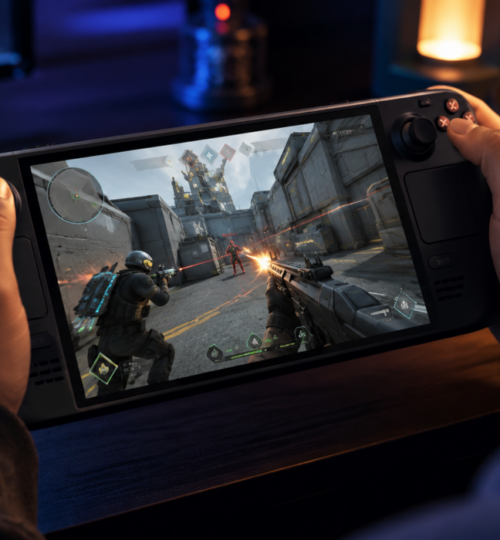
Portable gaming PCs have reached the point where raw performance is no longer their biggest problem.
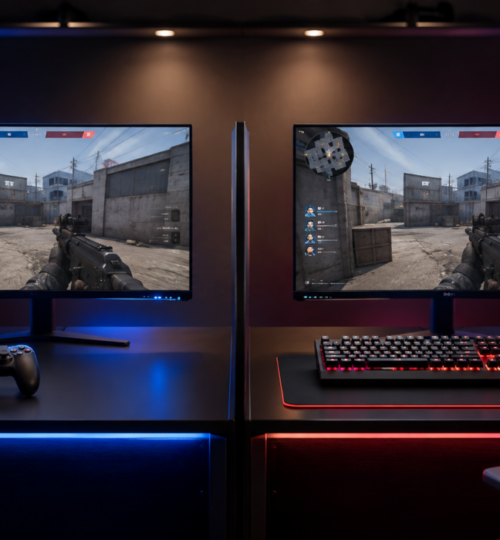
Crossplay solved one of multiplayer gaming’s oldest problems: friends on different hardware no longer have to live in separate matchmaking pools.
August 2026 has turned into one of those release months where very different gaming communities are watching the same calendar for completely different reasons.
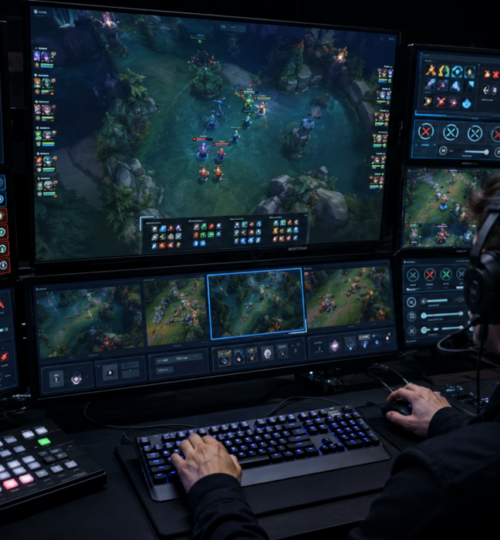
For years, competitive games often treated spectating as a secondary layer. That model still exists, but the direction of travel is changing.
For years, PC anti-cheat was built around a familiar assumption: if a cheat wanted to manipulate a game, it had to interact with the same operating system that was running the game.
A major multiplayer game no longer has to begin life on a console or gaming PC sitting under the player’s desk.
The PlayStation blackout begins on August 23, 2026, with a simple demand: for one week, participating players are being asked to stop logging into PlayStation Network, stop playing on PlayStation platforms, and stop spending money in Sony’s gaming ecosystem.
Competitive gaming has spent years teaching players to accept machine judgment in one narrow area: cheating.
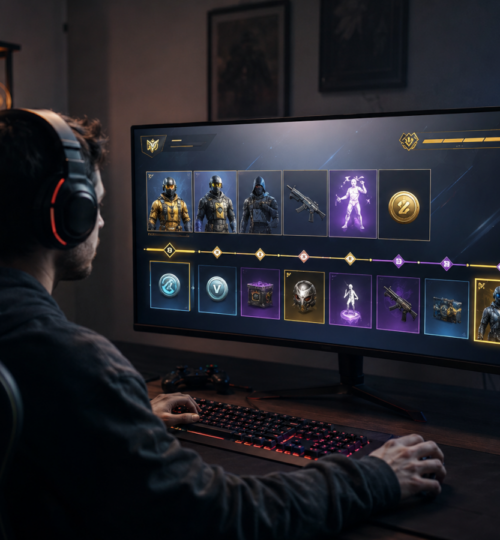
Battle passes were supposed to be the cleaner alternative to loot boxes.
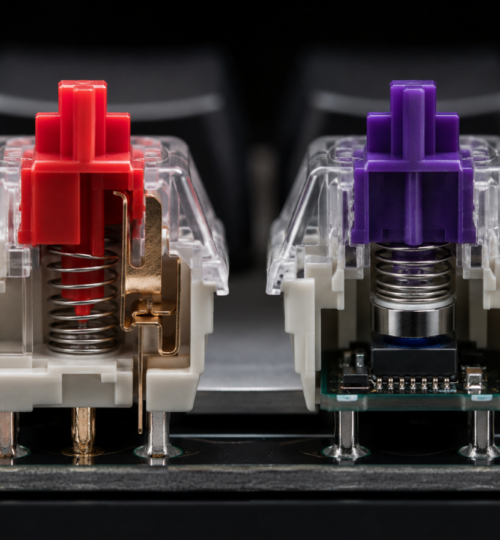
For years, the competitive gaming keyboard formula barely changed.