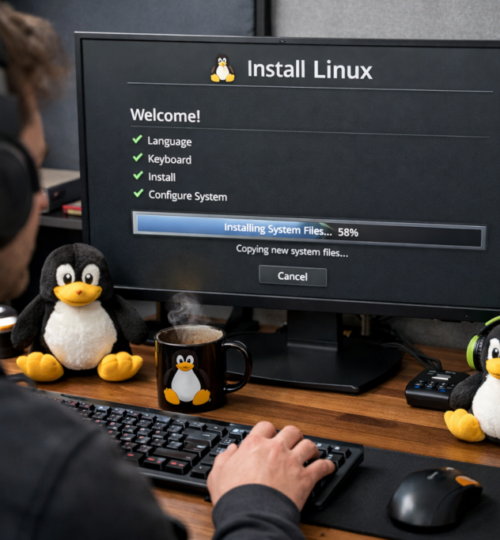
Linux Gaming in 2026: Is Proton Finally Perfect for Everyday Players?
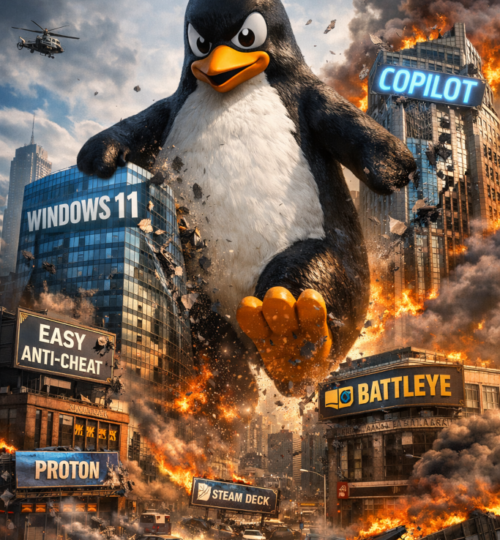
For years, Linux gaming lived in a strange space between passion and practicality.

For years, Linux gaming lived in a strange space between passion and practicality.
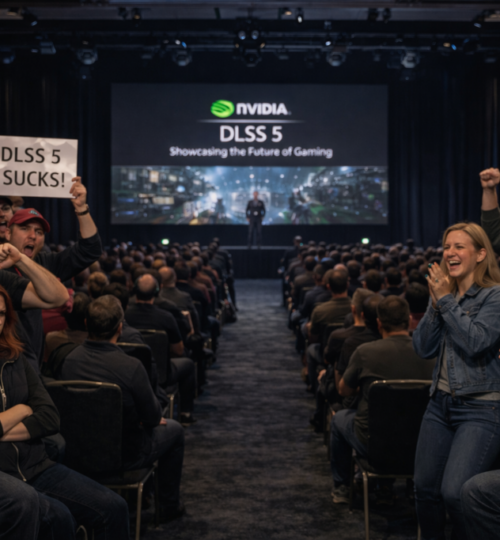
Nvidia’s reveal of DLSS 5 was supposed to be one of the biggest gaming-tech stories of the week. In a purely technical sense, it still is.
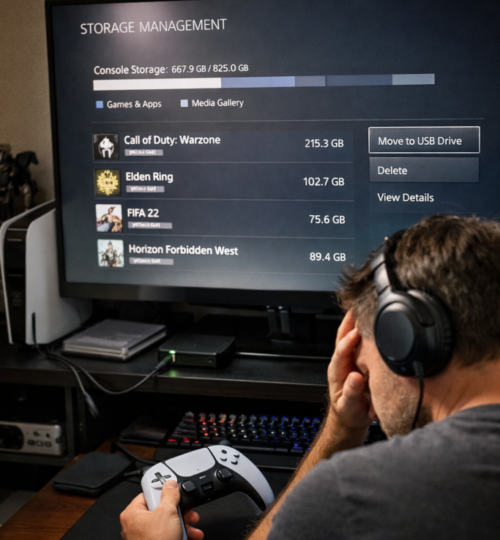
There’s a new reality of console storage going on. There was a time when buying a new console felt simple.
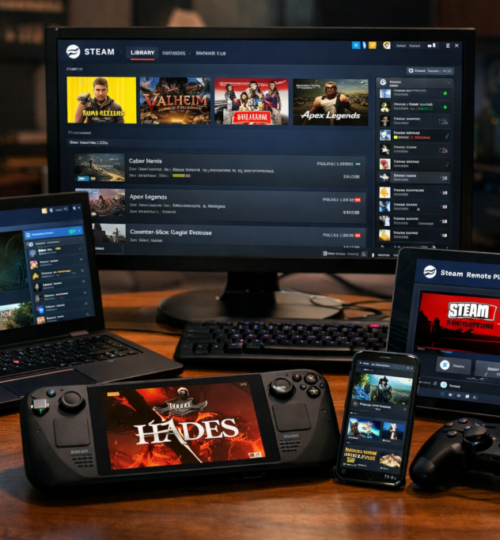
There was a time when a PC game library lived on a single hard drive. If your storage filled up, you uninstalled something.
Real-time strategy games helped build the foundation of competitive gaming long before the modern esports industry took shape.
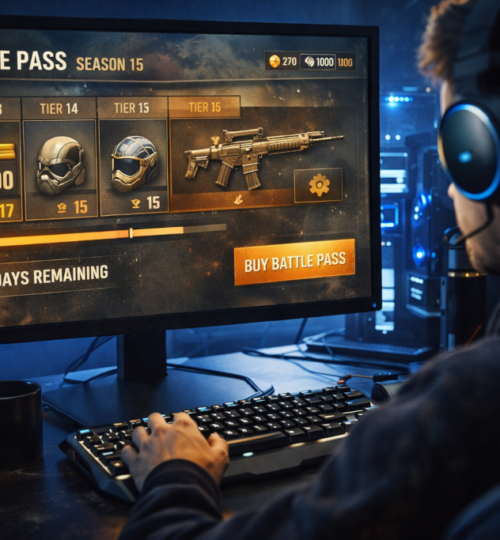
For nearly a decade, the battle pass has been one of the most dominant monetization systems in the video game industry.
Communities evolve. That’s just the reality of running something that lasts longer than a few gaming cycles.
For players of Diablo IV, each new season brings a mix of excitement, skepticism, and curiosity.
When a blockbuster video game launches and immediately dominates sales charts, most players assume the development team behind it is secure.
The Game Developers Conference has always been a place where the future of gaming quietly takes shape. Developers share technology, platform holders discuss direction, and industry insiders begin piecing together the next wave of hardware and software. At the 2026 GDC event, one topic repeatedly surfaced in conversations around the …
For most of gaming history, non-player characters have lived inside carefully written boundaries. Their lines were typed into scripts.
For decades, many consumers have shared a quiet suspicion about modern electronics: devices do not seem to last as long as they used to.
For most of the internet’s history, operating systems stayed largely invisible in the debate about online safety.
For decades, the image of a serious PC gamer was almost always the same: a desk, a large monitor, a mechanical keyboard, and a powerful desktop tower humming away beneath the table.
For most of the history of PC gaming, Linux existed on the margins. Enthusiasts loved it for its openness, privacy, and control, but gamers rarely treated it as a serious platform for playing modern titles.