
Kernel-Level Anti-Cheat in 2026: Privacy Trade-Offs Versus Keeping Competitive Ladders Clean
A competitive ladder only works if players believe the result on the screen came from the match they just played.
A competitive ladder only works if players believe the result on the screen came from the match they just played.
For much of the last esports investment boom, the business plan sounded simple enough.
For years, survival games treated other players as part of the environment.
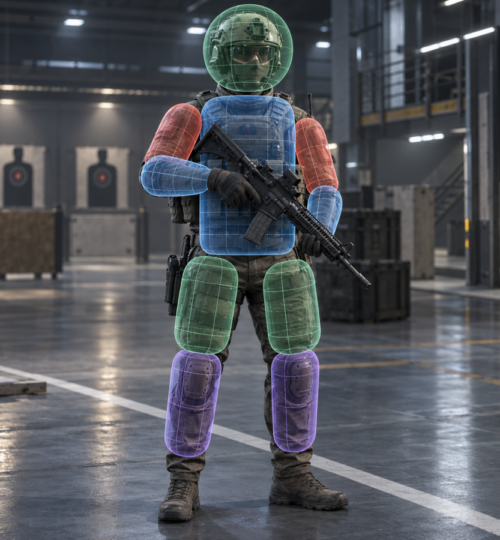
A shot can look perfect on screen and still miss by centimeters in the simulation.
A live-service game can survive a rough launch, a bad season, or a controversial balance patch. It has a much harder time surviving the slow removal of the people who keep it running.
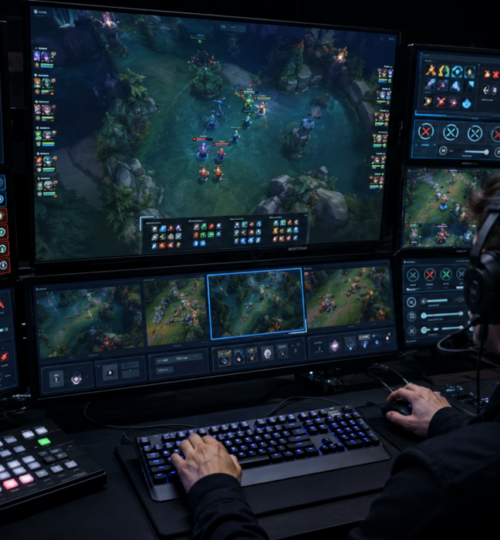
For years, competitive games often treated spectating as a secondary layer. That model still exists, but the direction of travel is changing.
A major multiplayer game no longer has to begin life on a console or gaming PC sitting under the player’s desk.
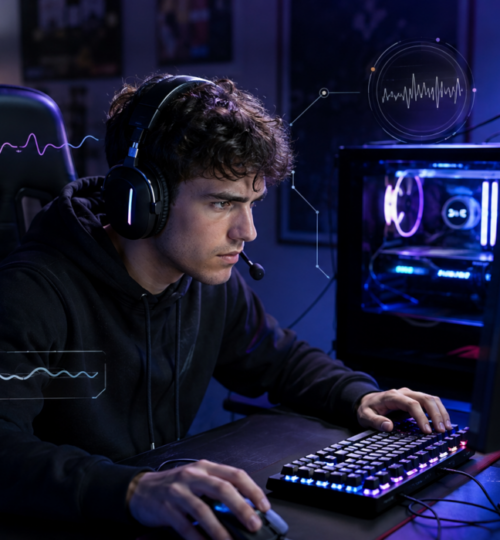
Competitive gaming has spent years teaching players to accept machine judgment in one narrow area: cheating.
For most of online gaming history, anti-cheat has been built around a familiar hunt: identify the cheat software, detect the hook, catch the injected code, find the altered memory, or match a known signature and then remove the account.
Limited-run betas are strange little windows. Everyone knows the build may be unfinished, progression may vanish, balance may change, and servers may buckle under the load, yet competitive players still recognize the value immediately.
Artificial intelligence has already entered gaming, but not in the form most players were promised.
The game business has spent several years describing layoffs, canceled projects, studio closures, and reorganizations as corrections after pandemic-era expansion.
For more than a decade, 1920×1080 held an almost untouchable position in PC gaming.
Gaming has always stolen from serious computing before the rest of the culture noticed. Early multiplayer borrowed from university networks.
Cloud streaming is no longer a party trick. The old joke was that cloud gaming worked fine until you tried to aim, block, parry, tech a throw, or do anything that required muscle memory.