Disclaimer: The views and opinions expressed in this article are solely those of the author. The mention of any products, services, or methods does not constitute an endorsement.
A multiplayer game can have responsive controls, fair matchmaking, and years of updates yet still struggle to keep an audience. Players exhaust progression systems, grow familiar with the maps, and move on to other releases. Their decision to return often depends on something the patch notes barely mention: the people they expect to find online.
Friends lists, parties, clans, guilds, and community competitions give multiplayer games a social history that extends beyond individual matches. They help players find reliable teammates, build reputations, and arrange activities without starting from scratch every time they log in. Those connections can sustain a community between updates, although they also place demands on the developers and volunteers responsible for keeping social spaces functional.
Multiplayer Communities Had Staying Power Before Live-Service Gaming
In the early 2000s, dedicated servers often worked as gathering places with recognizable regulars. Players returned to familiar Counter-Strike, Unreal Tournament, or Call of Duty servers because they knew the competition and the people running them. Clan websites, IRC channels, and forums handled the conversations and arrangements that the game clients could not.
Server administrators set local rules and organized events, while clans recruited players and kept records of rivalries. A tournament result might appear on a community website, and a dispute could continue in a forum thread after everyone had disconnected. These independently maintained structures helped competitive groups operate even when official game features were limited.
Halo 2 brought much of that organization into a console game when it launched in 2004. Its Xbox Live experience supported friends lists, persistent clans, player messaging, and parties that could move between matches. The system lowered the effort required to assemble a group, while established PC communities continued using their own servers and websites.
Many of today’s social features formalize habits players developed years earlier. The technology is more integrated, but the underlying attraction remains recognizable: familiar teammates, recurring opponents, and a shared record of what happened the last time everyone played.
The Connection Between Social Relationships and Player Retention
Retention figures usually track how often players return, how long they play, and whether they remain active after a new season or update. Those measurements reveal engagement patterns, but they do not always explain why a player launched the game. An evening squad can keep someone participating after the novelty of a progression system has faded, particularly when group members expect one another to show up.
Research offers some insight into how these relationships endure. A 2014 longitudinal study of EverQuest II found that social ties became more durable over time, with shared guild membership, similar character levels, and geographic proximity associated with their persistence. The study examined relationships rather than proving that guild membership caused higher game retention, an important distinction when interpreting its findings.
Commercial engagement data provides a more direct measure of playtime, though it comes with its own limitations. In a March 2026 announcement, Discord reported that during December 2025, PC players spent a median of six times longer playing when at least one friend was present on Discord. The company also reported greater playing frequency among users of voice channels, although its analysis does not establish that Discord itself caused those differences.
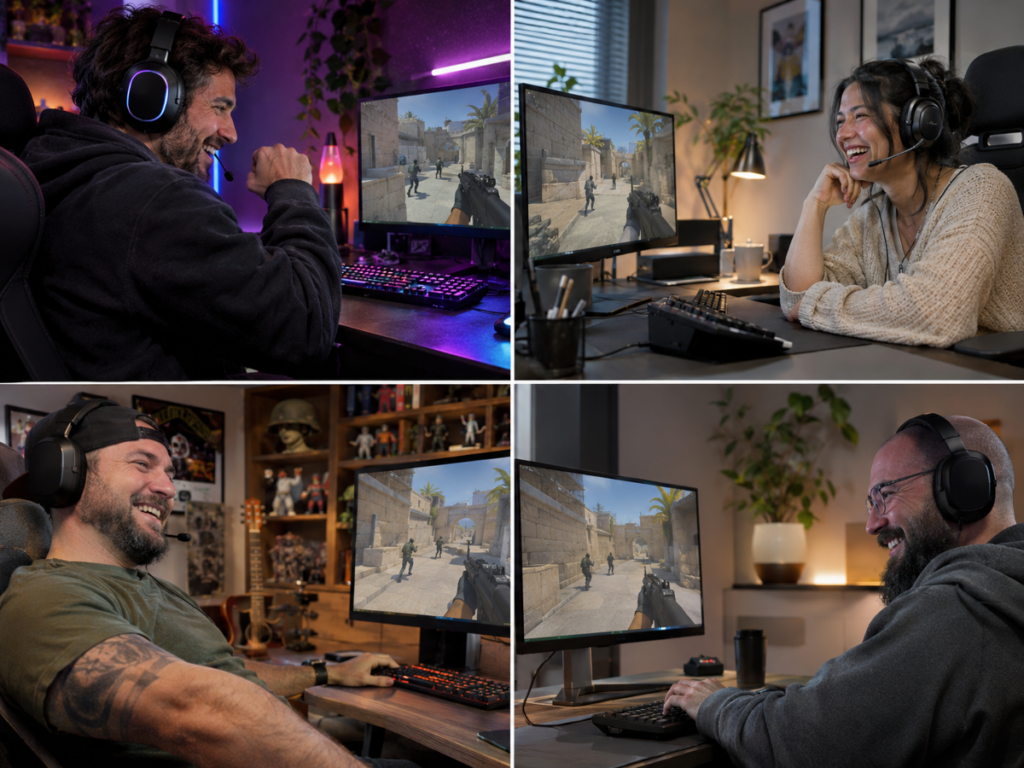
The practical explanation is familiar to anyone who has helped organize a team. An individual might skip a routine match, while a scheduled session with friends creates a specific reason to appear. Social relationships can therefore make a game’s existing activities feel worthwhile for longer, without replacing the need for satisfying gameplay.
Friends Lists and Party Systems Make Group Play Easier
Social connections lose some of their value when inviting a friend requires several applications, conflicting accounts, or repeated attempts to join a lobby. Friction becomes especially noticeable in groups spread across PCs and consoles. Players may be willing to organize a tournament well in advance, but a casual session often depends on whether everyone can assemble quickly.
Epic Games expanded that approach with Epic Parties in September 2026. Its party voice chat works across supported Fortnite platforms, the Epic Games launcher, and Epic’s mobile applications. The system also supports moving conversations between devices and joining the same Fortnite lobby when party members launch the game.
These conveniences matter because players’ hardware and schedules rarely align perfectly. A friend who is temporarily away from a gaming PC can remain part of the conversation, while someone already playing can send an invitation without switching communication services. The fewer steps required to gather a group, the more practical it becomes to arrange an unplanned session.
Group-finding tools help people who do not already have regular teammates. Bungie’s Destiny 2 Fireteam Finder allows players to search for or create activity-specific listings, set expectations such as microphone preferences, and schedule future groups through the web or companion app. A raid team can establish its requirements before assembling instead of discovering incompatible expectations after everyone has joined.
Competitive developers also have to account for the advantage established parties may enjoy over strangers. Regular teammates know one another’s tendencies and communicate more efficiently, which can affect the experience of solo players placed against them. Party-size matching, skill ratings, and queue design all influence whether social play feels accessible without undermining competitive fairness.
A friends list records individual connections, while a clan or guild turns those connections into an ongoing organization. Members can recruit, schedule matches, share resources, and develop expectations about participation. In competitive games, that may mean weekly scrimmages or tournament preparation; in an MMO, it may involve coordinating raids or helping less experienced members progress.
Final Fantasy XIV provides an example of how different groups can coexist. Its official Community Finder helps players locate free companies and linkshells, allowing them to search for communities that match their preferred activities. That choice matters because a player interested in difficult group content may want a different schedule and atmosphere from someone who primarily enjoys casual events.
Group achievements accumulate meaning through repeated participation. A difficult raid completion, an upset tournament win, or a long-running rivalry gives members a story that persists after the reward screen disappears. Those experiences become part of a group’s identity, particularly when records, screenshots, and match histories remain accessible.
Running these groups takes work that game interfaces sometimes overlook. Officers may need to approve applications, settle roster questions, arrange substitutes, or deal with members who disappear without notice. Useful administrative permissions, event calendars, and clear role assignments can reduce the workload on volunteers, although no interface can eliminate the human complications of managing a community.
Ranked Competition Becomes More Personal When Players Remember Each Other
Ranking systems provide a numerical account of performance, but repeated encounters give those numbers context. Facing a familiar opponent in a ladder match creates different expectations from entering an anonymous queue. A close result may lead to a rematch, a strategic adjustment, or a rivalry that carries into the next competition.
Community-operated tournaments can preserve those relationships even when a game has limited official esports support. Custom lobbies, agreed rulesets, player profiles, and independently managed standings allow smaller groups to organize meaningful competition. Historical records matter here because they connect present participants with the teams, results, and disputes that shaped earlier events.
Persistent records also require credible administration. An inaccurate match result can damage trust, while inconsistent decisions about cheating allegations or roster eligibility can split an established league. Clear evidence standards, appeal procedures, and transparent competition rules help ensure that the history being preserved remains believable to those who participated.
Communities Continue Between Games and Across Platforms
For many teams, the conversation continues long after the game closes. Discord servers, forums, Steam groups, and independent websites provide spaces for recruitment, match planning, strategy discussion, and sharing recordings. Players can remain involved while they are away from their preferred game or trying another release.
That independence gives a community options when interests change. A clan formed around one shooter may keep its membership and competition history while experimenting with another title. The group can survive a disappointing sequel or a population decline because its communication channels and relationships do not depend entirely on one publisher’s service.
External platforms introduce their own dependencies. Service outages, policy changes, account restrictions, and privacy concerns can disrupt a community’s arrangements. Information also becomes difficult to follow when announcements appear in one application, tournament signups in another, and results on a third website. Groups benefit from clear expectations about which services handle discussion, scheduling, and permanent records.
Moderation and Social Pressure Can Undermine the Benefits
Positive relationships encourage participation, but harassment and disruptive behavior can make multiplayer spaces exhausting. A player who expects insults in voice chat or intentional griefing in matches has little reason to seek new teammates. Communities that rely only on established friendship circles may remain welcoming to insiders while becoming difficult for newcomers to enter.
Reporting and communication controls provide some protection. Riot Games’ League of Legends reporting guide describes options for submitting reports during a match, in the post-game lobby, and through match history, along with automated disciplinary review. Its guidance also distinguishes intentional disruption from poor play, a necessary distinction in competitive games where frustration can lead to unfair accusations.
Blocking, muting, privacy settings, and effective ping systems give players more control over unwanted interactions. Voice chat may improve coordination, but players can have sound reasons for avoiding it, including accessibility needs or previous harassment. A game that accommodates different communication preferences can make group play possible without requiring everyone to participate in the same way.
Social expectations create subtler problems. A guild that requires daily attendance or a team that treats every missed scrimmage as disloyalty can turn recreation into an obligation. Schedules, substitute players, and flexible membership policies help groups accommodate changing work and family commitments without losing their ability to organize difficult activities.
Why Strong Communities Still Need a Good Game
Established friendships may keep people playing through a disappointing update, but unreliable servers, widespread cheating, and poor competitive balance eventually strain that loyalty. A group that repeatedly spends its evening dealing with technical failures may decide to move together to another game. Social ties can increase retention within a title, yet those same ties can help players coordinate their departure.
Engagement metrics need to be read with that possibility in mind. Frequent logins do not necessarily indicate satisfaction when players feel committed to a team or obligated to complete scheduled activities. Developers can learn more by combining behavioral data with feedback from organized groups about matchmaking, moderation, and changes to competitive rules.
Publishers also have to consider what happens when support ends. When friends lists, match histories, and clan records exist only on company servers, those materials may become inaccessible after a shutdown. Community websites and independently preserved records cannot restore discontinued online services, but they can retain evidence of past tournaments and give former members a way to reconnect.
Where practical, exportable statistics, custom-match options, dedicated-server software, and well-documented community tools give organizers more control over continuity. Those choices involve development costs and maintenance risks, so they will not suit every game. Their value becomes clearer when an established group wants to continue competing after official development has slowed or its preferred platform has changed.
A community-run league can schedule a new season around games its members still enjoy, preserve results from earlier competitions, and introduce newer players to opponents whose names already appear in its archives. The format may change as hardware, platforms, and player availability change. What remains is an organization capable of creating its own competitive activity rather than depending entirely on the next official event.