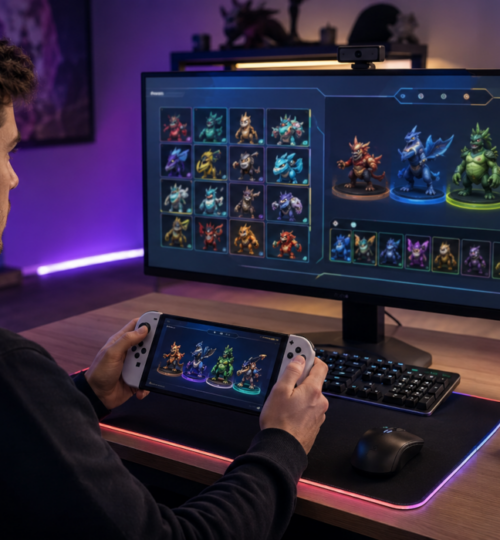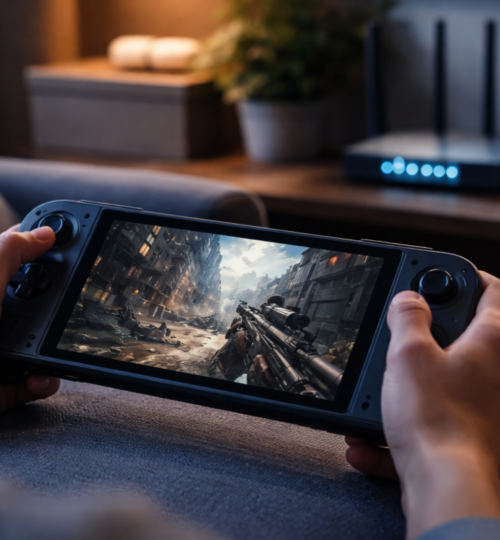
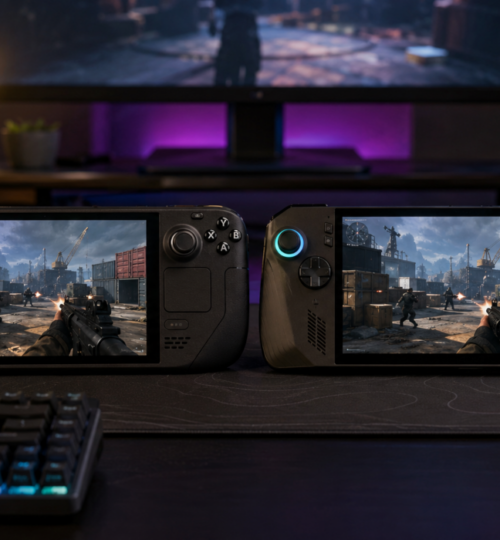
Steam Deck Ecosystem vs. Windows Handhelds: Which Offers the Most Stable Anti-Cheat Support on the Go?
Portable PC gaming has moved beyond the novelty stage.
Portable PC gaming has moved beyond the novelty stage.
Sony has confirmed another ugly reminder that the word “purchased” does not mean what many customers think it means.
The original Nintendo Switch proved that players would accept serious games on portable hardware, even when the tradeoffs were obvious.
Old games are not dead games. Backward compatibility used to feel like a bonus feature. Now it feels like a line in the sand.
For years, Xbox has sold players on a future bigger than a console box under the television.
Sony’s June 2026 State of Play arrived at exactly the right moment. The PlayStation 5 is deep into its generation now, and the conversation around the console has shifted.
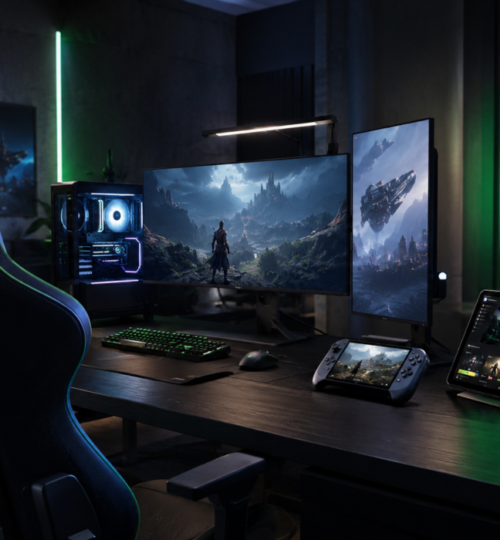
For years, PC gaming had a simple tradeoff: your main rig was where the real power lived, and everything else was a compromise.
June 2026 is shaping up like one of those months where Nintendo Switch 2 owners get a little bit of everything
Cross-progression has become one of those features players now notice most when it is missing.
Competitive gaming has always been a battle against more than the opponent.
For decades, competitive Pokémon has lived inside the mainline RPGs. Players bred, trained, traded, transferred, and battled through games that were never only about competition.
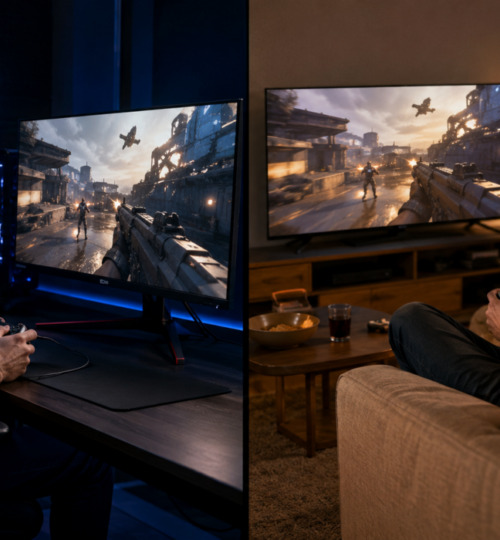
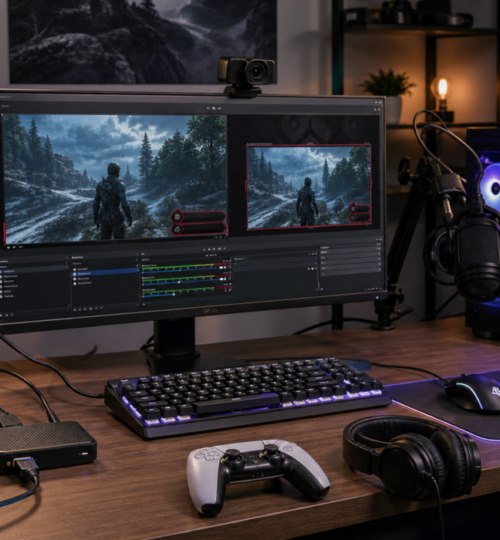
Console streaming used to feel like a strange technical side quest.
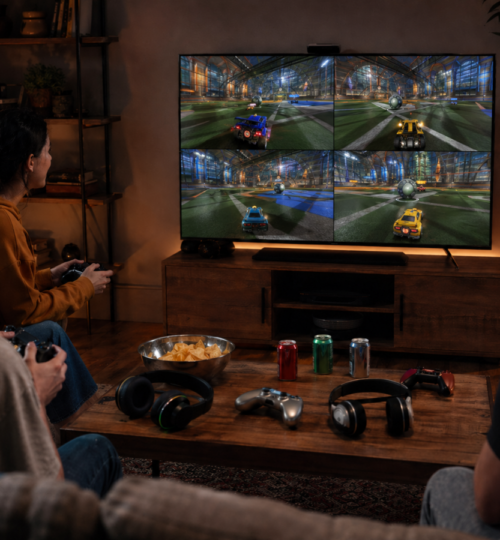
For a long time, split-screen felt like a relic from another gaming age.
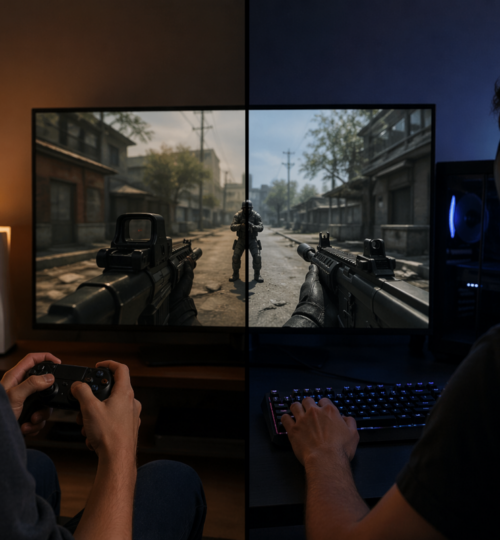
For most of competitive multiplayer history, your platform defined your battlefield. PC players faced PC players. Console players stayed within their own ecosystems.
For players who remember dragging rigs to LAN events or fine tuning server settings just to shave off a few milliseconds, latency has always been part of the competitive landscape.