DLSS, FSR, and XeSS Explained for Real Gamers
Modern PC gaming is in a strange place. Graphics look better than ever, but hardware demands have climbed faster than many players can reasonably upgrade.

Modern PC gaming is in a strange place. Graphics look better than ever, but hardware demands have climbed faster than many players can reasonably upgrade.
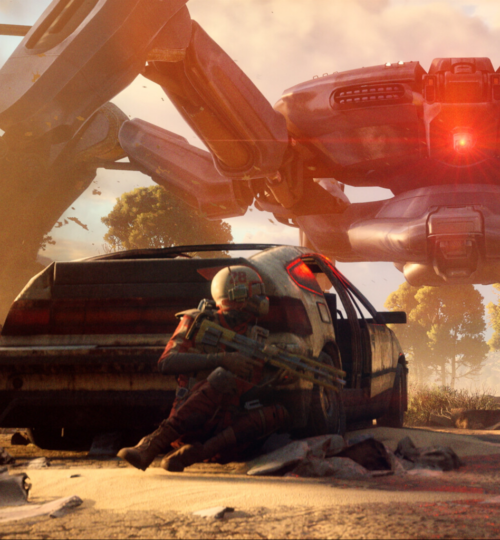
When I first dropped into Arc Raiders, it was immediately clear that this was not trying to be just another disposable multiplayer shooter chasing a trend.
Online communities exist everywhere. They form around hobbies, professions, fandoms, and shared beliefs.
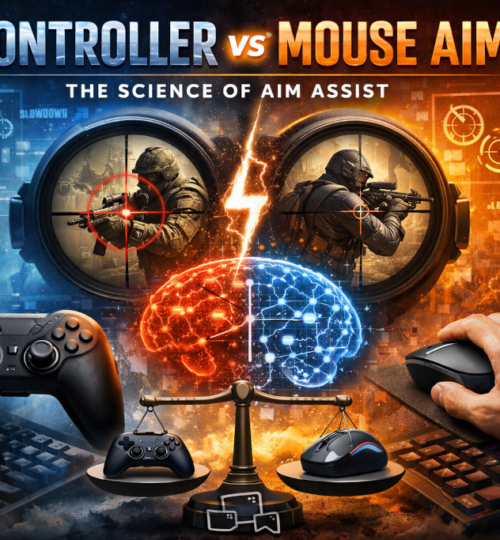
Few topics in modern gaming spark debate as consistently as the question of controller aim versus mouse aim.
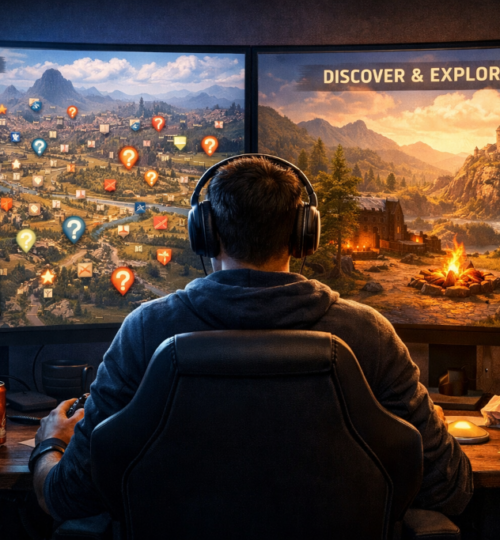
For more than two decades, open world games have represented a promise. Vast landscapes. Total freedom.
Competitive gaming has reached a point where preparation matters just as much as raw talent. Professional players do not simply launch a game and queue into a ranked match or scrim cold.
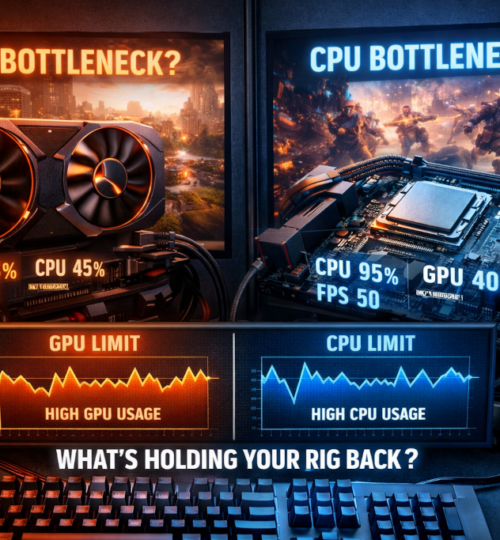
Few topics spark more debate in PC gaming than performance bottlenecks. One player swears their graphics card is being wasted.
For decades, the global technology supply chain followed a rhythm that gamers, PC builders, console manufacturers, and even retailers could rely on.
PC gaming has always lived at the intersection of performance, customization, and choice. Unlike consoles, a gaming PC is never truly finished. It evolves.
For as long as console gaming has existed, debates about performance have followed closely behind.
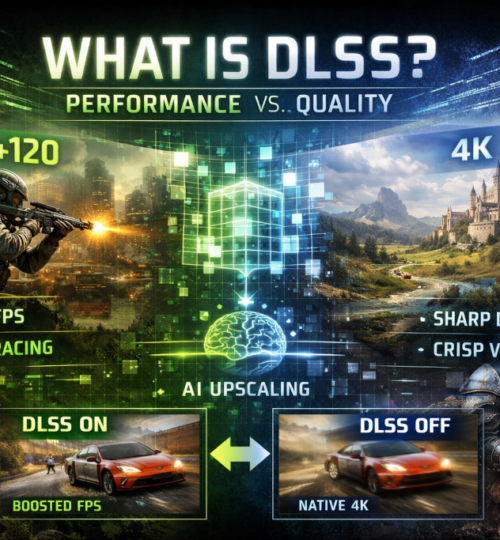
Few graphics features in modern PC gaming generate as much discussion as DLSS.
There is a moment in almost every gamer’s life when a familiar game suddenly feels new again. The mechanics have not changed. The maps are the same.
When Black Ops 7 launched, it did exactly what the Call of Duty franchise has done for nearly two decades.
Matchmaking is one of those systems most players interact with constantly but rarely think about in detail. You queue up, wait a bit, load into a match, and hope the game feels fair.
For most of its history, PC gaming has thrived on a simple promise. If you were willing to learn, tinker, and upgrade over time, you could get better performance, more flexibility, and longer system lifespans than any closed console platform could offer.