Communication Breakdowns: How to Maintain Squad Cohesion Under Pressure
Online multiplayer games rarely fall apart because one player misses one shot. They fall apart because the team stops functioning as a team.

Online multiplayer games rarely fall apart because one player misses one shot. They fall apart because the team stops functioning as a team.
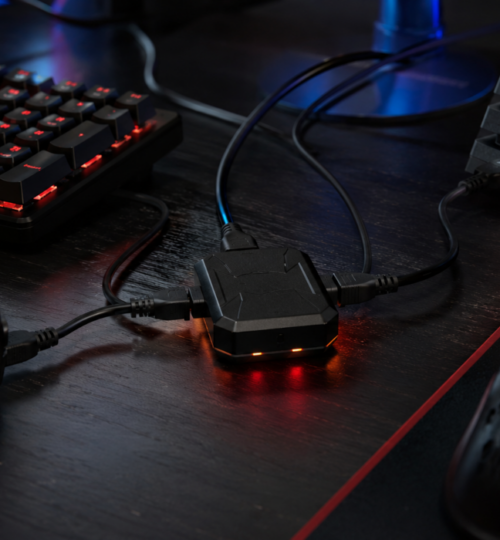
Hardware-level input spoofing has become one of the dirtiest problems in competitive multiplayer because it hides in a space most players never see.
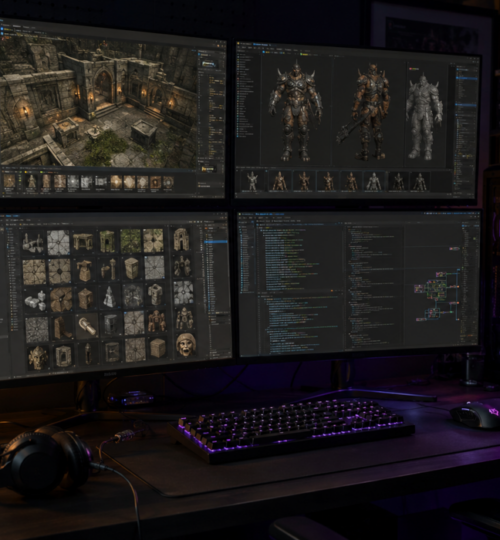
Downloadable content can bring players back. Mods can keep them there for years. That is the difference most publishers still underestimate.
For years, PC gaming security has mostly been discussed through the lens of anti-cheat, account protection, DRM, and the occasional nightmare story about compromised launchers or stolen credentials.
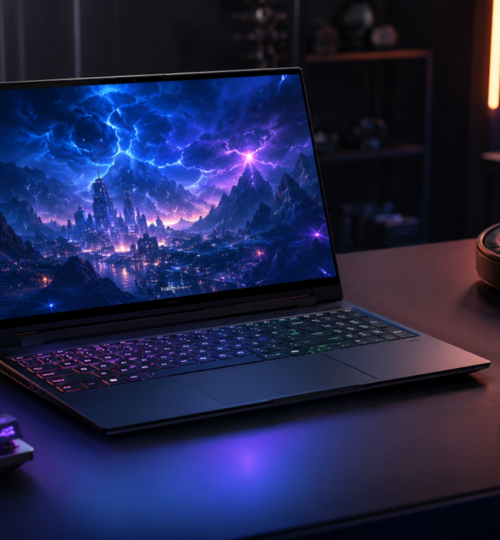
For gamers, creators, streamers, AI developers, and competitive players who have watched laptops evolve from bulky LAN-party bricks into daily-driver machines, this matters.
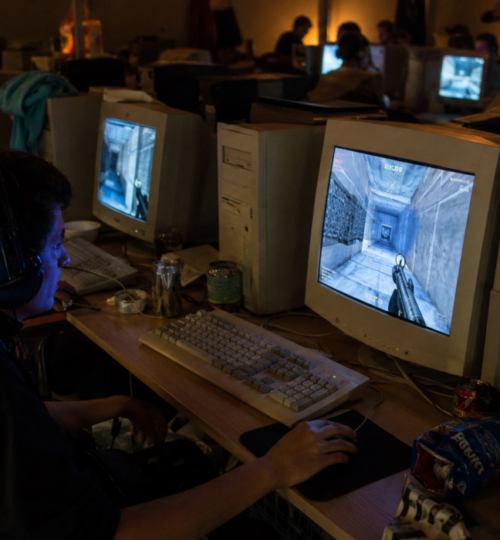
If you look closely at the multiplayer landscape in 2026, something interesting is happening. A surprising number of classic games from the early 2000s, and the surrounding legacy era, are not only still playable, but still populated.
The Esports World Cup has never been shy about scale, but the 2026 edition has pushed the conversation into a different category. A $75 million total prize pool
For years, Xbox has sold players on a future bigger than a console box under the television.
There was a time when online multiplayer felt like walking into a crowded arcade. You did not always know who you were going to face
Sony’s June 2026 State of Play arrived at exactly the right moment. The PlayStation 5 is deep into its generation now, and the conversation around the console has shifted.
Competitive gaming has always lived or died on trust. Players can handle losing. They can handle getting out-aimed, out-rotated, out-drafted, or outplayed.
PC gaming has always moved in waves. One year, a mid-range build feels bulletproof.
For most of the modern internet, the deal was simple: websites created useful content, search engines indexed it, and users clicked through when they wanted answers.
Modern shooters look nothing like the games that built online competitive play.
The $70 era was only the opening move. For years, the video game industry treated the $59.99 boxed release like sacred ground.