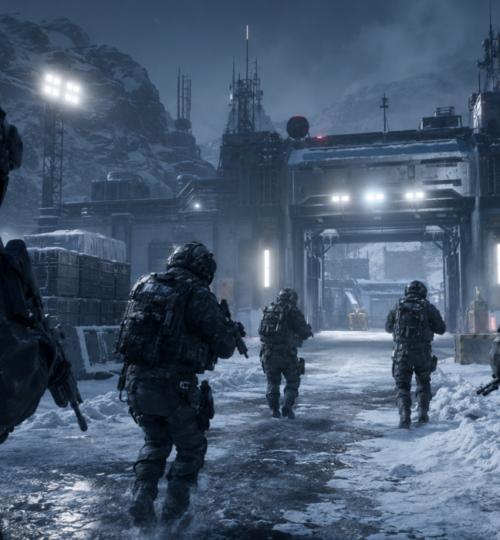
Star Wars Battlefront II (2005): The Classic That Still Feels Like a War
A big, loud Star Wars sandbox that still understands what “fun multiplayer chaos” means.
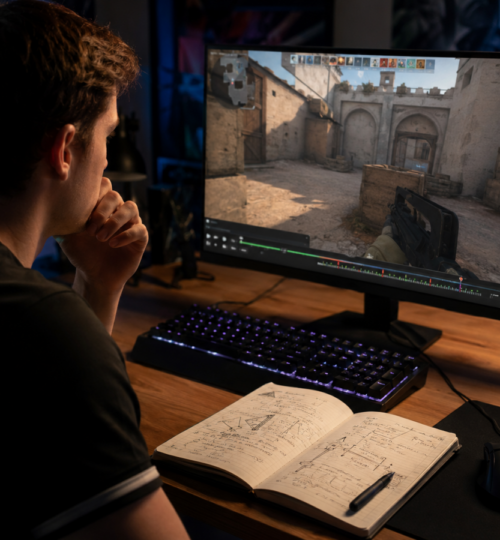
For years, higher frame rates have been treated as the gold standard of competitive gaming. The jump from 30 frames per second to 60 was transformative.
Every few years, the same conversation circles back through the gaming community. A new graphics card launches. Benchmarks flood YouTube.
Discord is preparing to roll out a global age verification system beginning in March 2026 that will require some users to verify their age in order to unlock certain features.
Valve has officially broken its silence on the next wave of Steam hardware.
After more than a decade on the market, Tom Clancy’s Rainbow Six Siege continues to prove that tactical shooters can evolve without losing their identity.
For the first time in a long time, it feels like gamers are not at the center of the gaming hardware universe.
There are very few games in history that can claim to still command millions of active players more than two decades after release.
For players who grew up on competitive multiplayer shooters, the server browser is not just a feature. It is a philosophy.
For many players, the return to Gaia has been more than a remake. It has been a reintroduction to one of the most influential role playing worlds ever created.
For years, gaming laptops have walked a tightrope. Players wanted desktop class performance in a portable form factor, but physics pushed back.
The hero shooter genre has gone through several distinct phases over the past decade.
Virtual reality has been labeled “the future of gaming” more times than most players can count.
The year 2026 marks a definitive turning point for the competitive gaming industry. For over a decade, the esports sector was defined by a gold rush mentality.
For decades, PC and console gaming followed largely separate paths. Consoles offered fixed hardware, standardized performance, and simplicity.