When Data Centers Beat Gamers to the GPU: A Player’s View of the Hardware Crunch
For the first time in a long time, it feels like gamers are not at the center of the gaming hardware universe.

For the first time in a long time, it feels like gamers are not at the center of the gaming hardware universe.
There are very few games in history that can claim to still command millions of active players more than two decades after release.
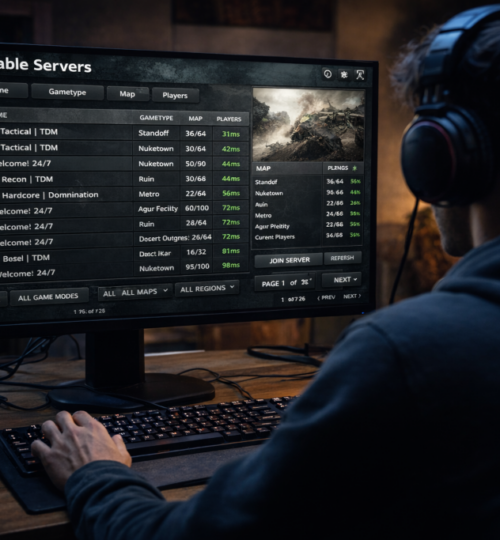
For players who grew up on competitive multiplayer shooters, the server browser is not just a feature. It is a philosophy.
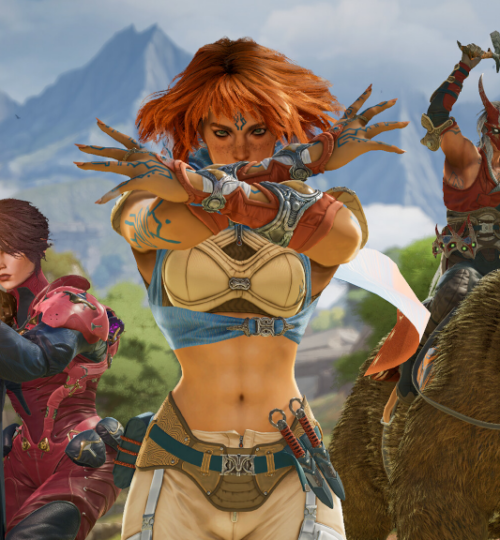
For many players, the return to Gaia has been more than a remake. It has been a reintroduction to one of the most influential role playing worlds ever created.
For years, gaming laptops have walked a tightrope. Players wanted desktop class performance in a portable form factor, but physics pushed back.
The hero shooter genre has gone through several distinct phases over the past decade.
Virtual reality has been labeled “the future of gaming” more times than most players can count.
The year 2026 marks a definitive turning point for the competitive gaming industry. For over a decade, the esports sector was defined by a gold rush mentality.
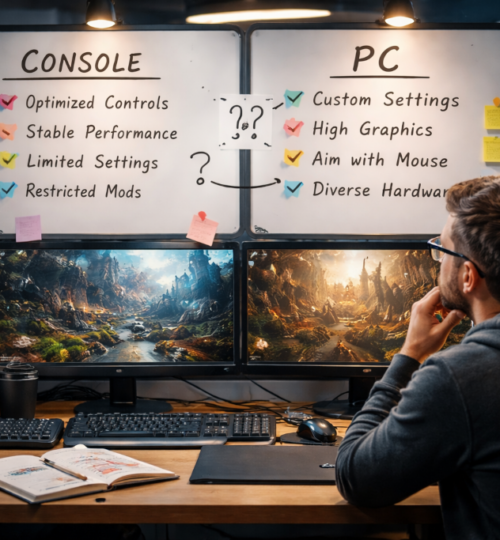
For decades, PC and console gaming followed largely separate paths. Consoles offered fixed hardware, standardized performance, and simplicity.
For decades, the video game industry revolved around a simple transaction. You bought a game, you owned it, and you played it until something new caught your attention.
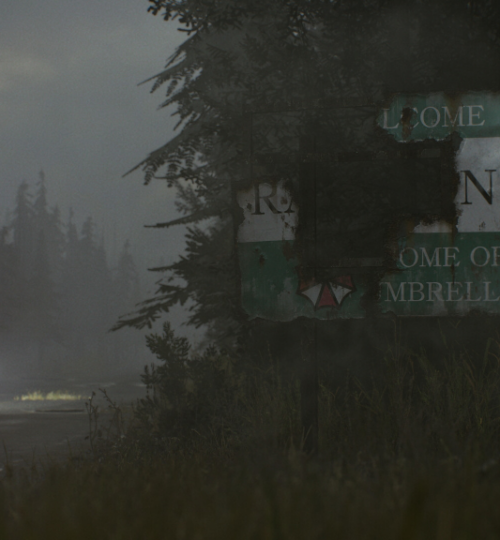
For more than two decades, the Resident Evil franchise has existed in a rare space where horror, action, and atmosphere collide in a way few series have managed to replicate.
What does the Epic vs. Google ruling and the cracking of the US app store mean for PC to mobile gaming?
The PC hardware world runs on cycles of anticipation. Just as gamers and creators finally settle into a new generation of processors, the next wave starts looming on the horizon.
There are moments in the life of a long-running gaming community when looking forward only makes sense if you also look back. Not to dwell. Not to repeat what once was.
For most of gaming history, platforms were walls. You picked a console or a PC and that choice quietly shaped who you played with, how competitive your matches felt, and even how long a game stayed alive.