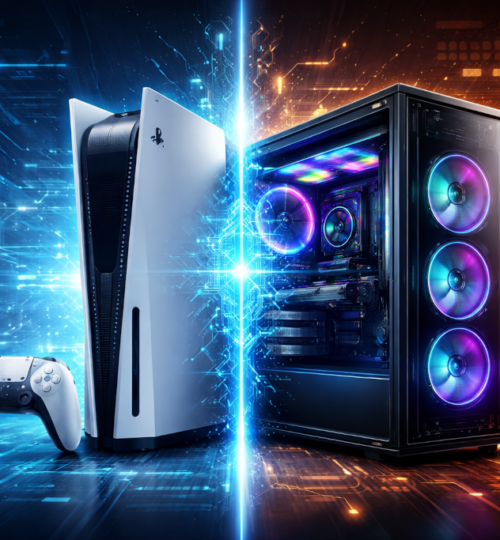
Are Consoles Finally Becoming “Closed PCs”?
For decades, the line between console gaming and PC gaming felt clear and rigid. Consoles were defined by simplicity, fixed hardware, curated storefronts, and tightly controlled ecosystems.

For decades, the line between console gaming and PC gaming felt clear and rigid. Consoles were defined by simplicity, fixed hardware, curated storefronts, and tightly controlled ecosystems.
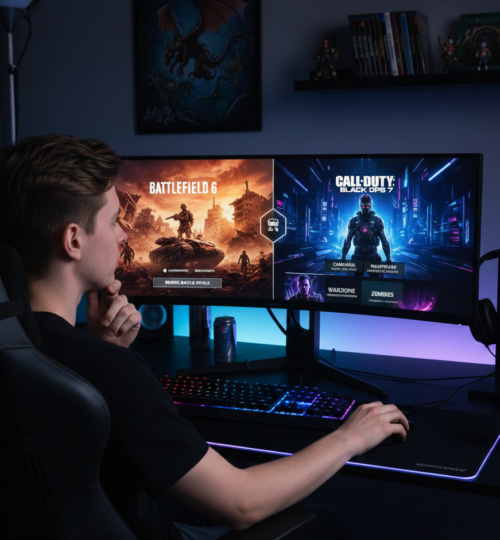
The dust has finally settled on the most chaotic holiday shopping season the first person shooter genre has seen in years.
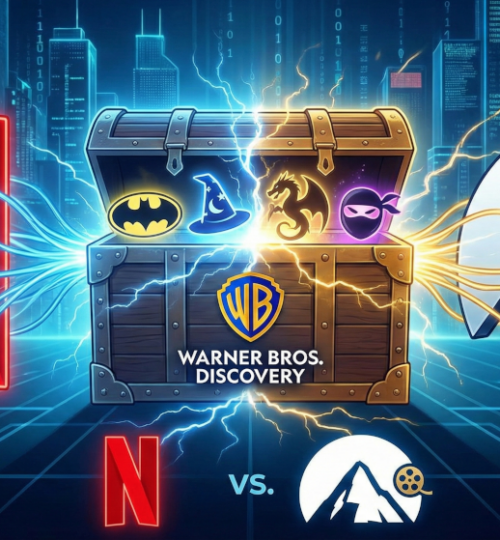
The entertainment industry is currently witnessing a tectonic shift as the boundaries between cinema, television, and interactive media dissolve into a singular ecosystem.
Some games launch loud, burn bright, and disappear within a year. Others refuse to die.
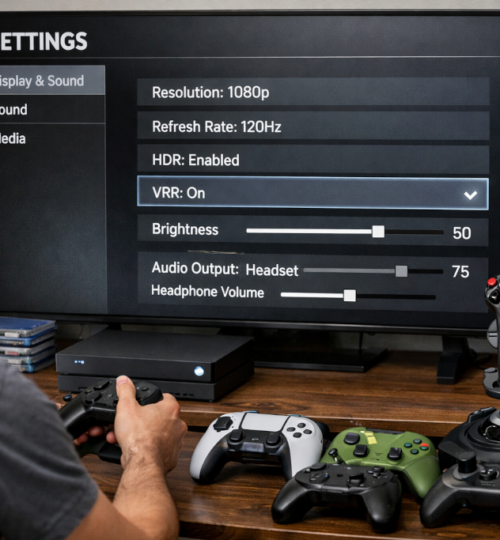
Console gaming has always sold itself on simplicity. You plug it in, you sit down, and it works.
For PC gamers, frames per second is not just a number. It is the difference between a game that feels smooth and responsive and one that feels sluggish or inconsistent.
For as long as PC gaming has existed, cooling has been part of the conversation.
Skill trees have become one of the most recognizable progression systems in modern games.
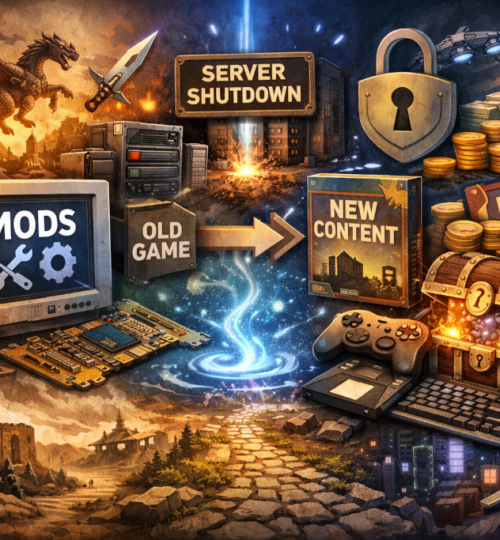
There was a time when buying a game felt final in the best possible way. You paid for it, brought it home, and that copy became yours.
For many PC gamers, performance discussions tend to orbit around graphics cards, CPUs, and memory.
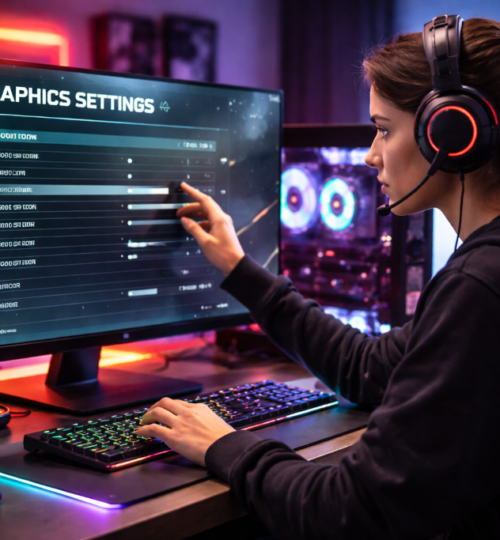
PC gaming has always lived at the intersection of performance, preference, and possibility.
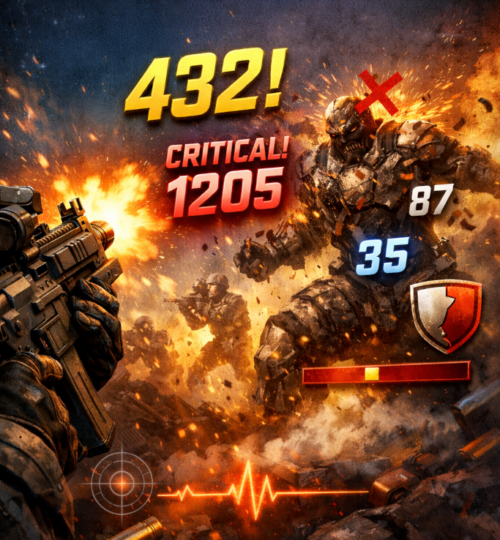
In modern games, very few things feel as immediately satisfying as landing a hit.
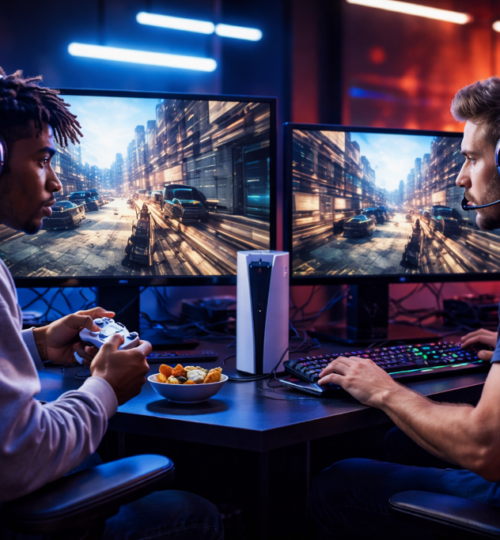
For decades, competitive gaming lived inside carefully guarded walls. PC players competed with PC players. Console players stayed in their own ecosystems.
There was a time when being a gamer was a niche identity. You had to seek it out.
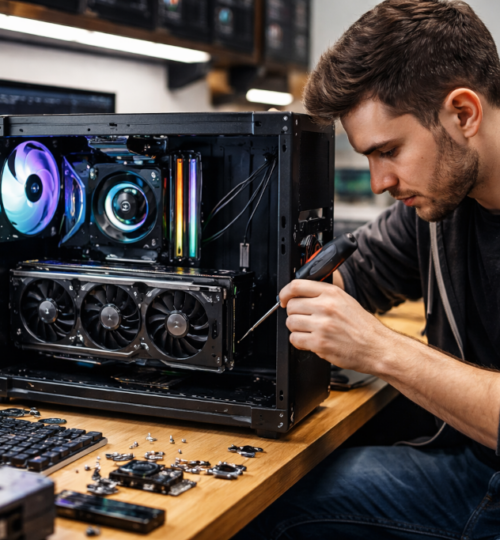
There was a time when building your own gaming PC was almost a rite of passage.