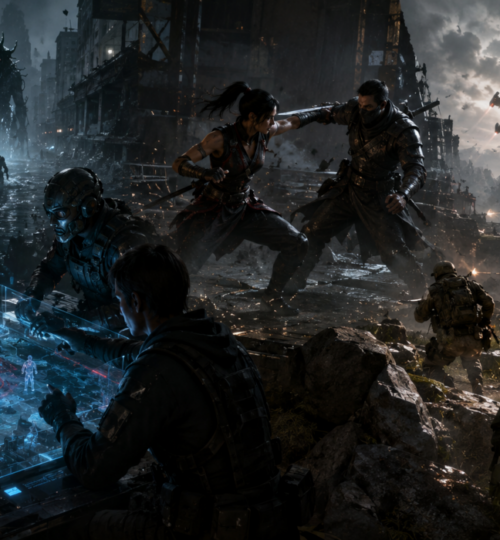
Diablo 4 Lord of Hatred Expansion: A New Chapter for Sanctuary’s Endless War
The world of Sanctuary has never been static. From the earliest days of Diablo II ladder resets to the live-service evolution of Diablo IV
For a game that spent years drifting in uncertainty, Pragmata has quietly pulled off something rare in modern development cycles.
When Final Fantasy VII Rebirth launched as the second chapter in Square Enix’s ambitious remake trilogy, it carried more than just the weight of nostalgia.
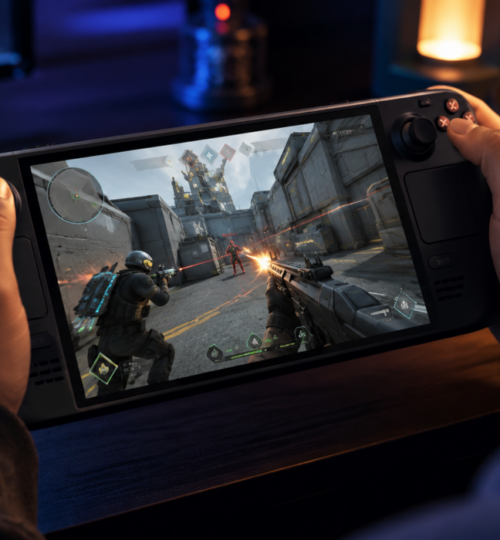
There is something undeniably appealing about a small form factor gaming rig.
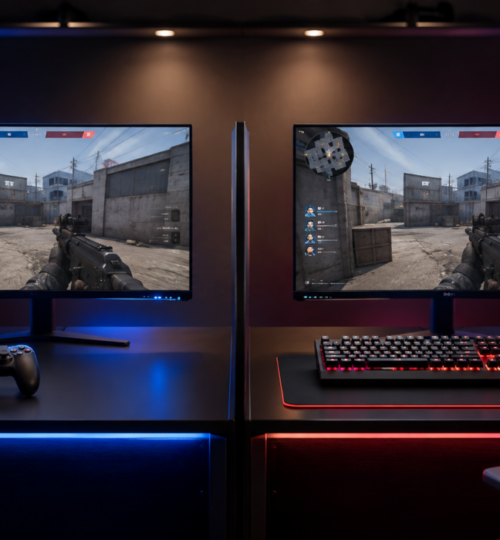
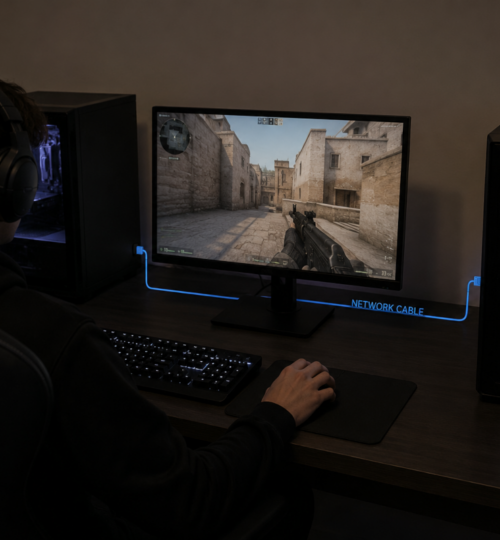
For players who remember dragging rigs to LAN events or fine tuning server settings just to shave off a few milliseconds, latency has always been part of the competitive landscape.
For a genre built on precision, timing, and muscle memory, fighting games have always lived at the intersection of human skill and hardware.
There is a moment every long-time multiplayer player recognizes. The servers grow quieter. Matchmaking takes longer.
Long before matchmaking queues became invisible algorithms and ranked ladders were baked directly into game clients, competitive communities had to build their own systems to measure skill.
For most competitive players, hardware decisions eventually come down to one question: what actually gives you an advantage in your main game?
There was a time when storage was the least interesting part of your setup. You installed a game, maybe cleared space once in a while, and moved on.
For a generation of players raised on discs, cartridges, and even early digital downloads, the concept of ownership in gaming once felt concrete.
For many veteran players, the phrase “arena shooter” is not just a genre label. It is a memory.
For years, the trajectory of PC gaming hardware felt predictable. More cores, faster GPUs, and steadily increasing RAM capacity.
In every competitive gaming community, from the early days of grassroots ladders to modern ranked ecosystems, one truth has remained constant.
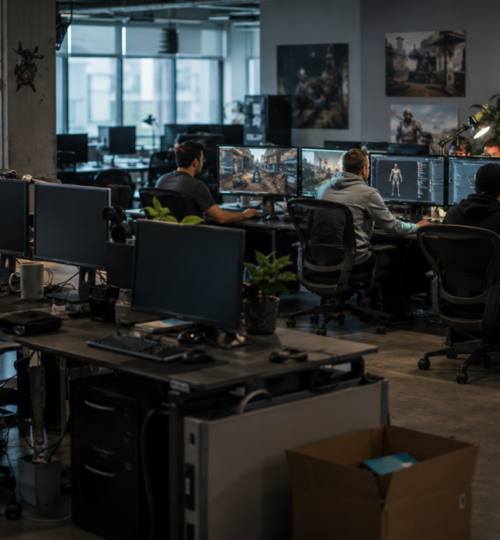
The gaming industry in 2026 sits at a fascinating crossroads. On one side are mega-corporations with billion-dollar budgets, global marketing machines, and access to cutting-edge technology.