Toxic vs. Constructive: Building Better Environments in Ranked Queues
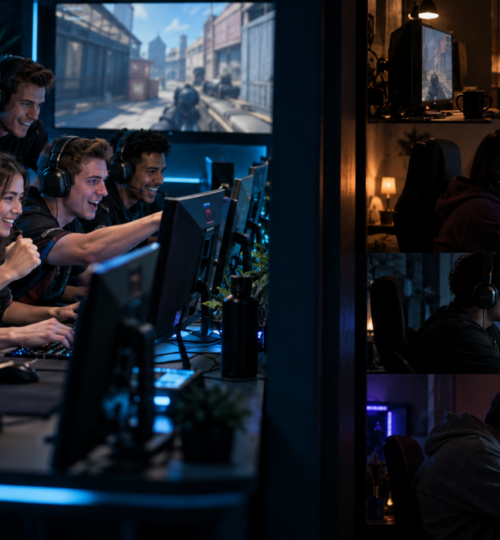
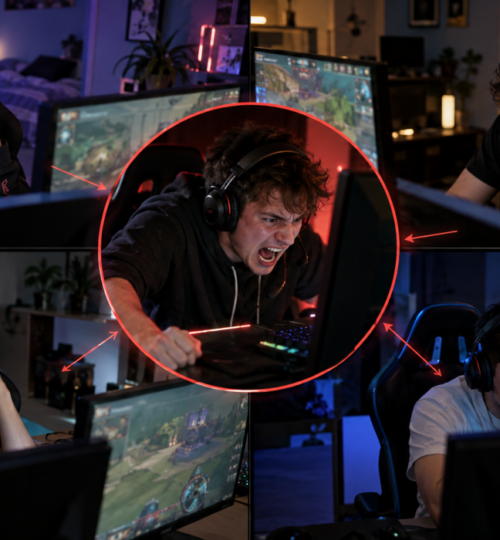
Ranked multiplayer has always put pressure on strangers to cooperate before they have any reason to trust one another.

Ranked multiplayer has always put pressure on strangers to cooperate before they have any reason to trust one another.
Competitive gaming has spent decades trying to remove variables that players cannot control.
For much of the last esports investment boom, the business plan sounded simple enough.
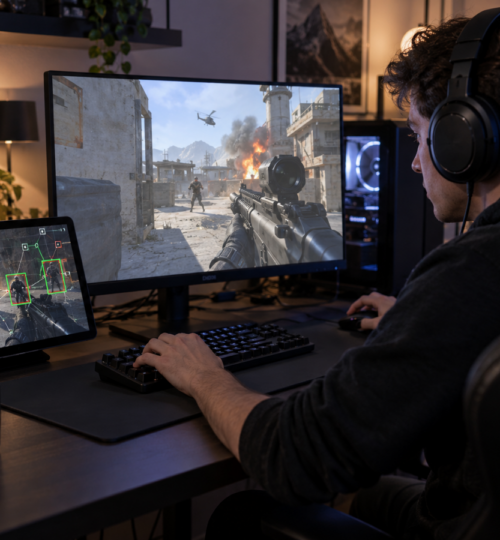
PC anti-cheat in 2026 is starting to look less like a single piece of security software and more like a chain of trust spread across firmware, Windows, game clients, and remote services.
For competitive console players, 120Hz stopped being a luxury feature a while ago.
Nintendo hardware has spent much of modern esports history sitting beside the main competitive PC and console ecosystem rather than inside it.
The next console generation is arriving with a different kind of performance problem.
Ranked modes are built around a simple promise: play well, improve, and the ladder will eventually reflect your level.
NVIDIA’s DLSS story has reached an unusual point for competitive PC gaming.
For years, survival games treated other players as part of the environment.
Cloud gaming changes where the game runs, but it also changes where anti-cheat can see.
A shot can look perfect on screen and still miss by centimeters in the simulation.
Competitive players have spent years learning that a high average frame rate can hide an ugly match.
A balance patch can turn months of ranked experience into partially outdated information overnight.
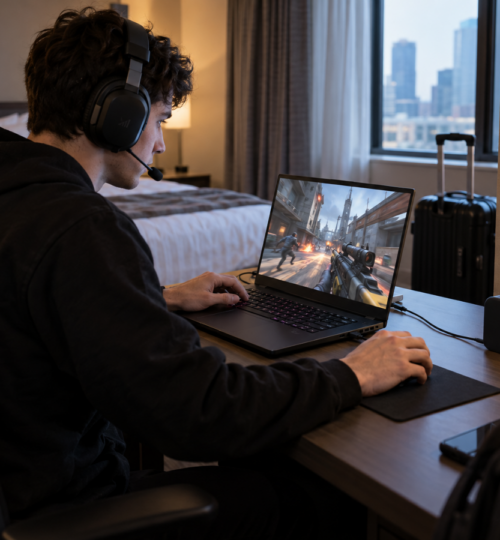
A traveling competitive player can carry a tournament-grade laptop, a low-latency display, a tuned mouse, and a headset that has survived three generations of Discord servers.