Expanding Universes: When Video Game Lore Meets Classic Literature Tropes
The best multiplayer communities have always known something that the wider entertainment world took years to admit: games are not just games anymore.
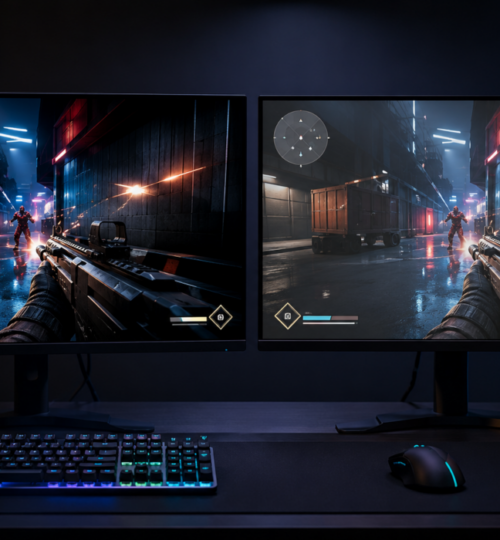
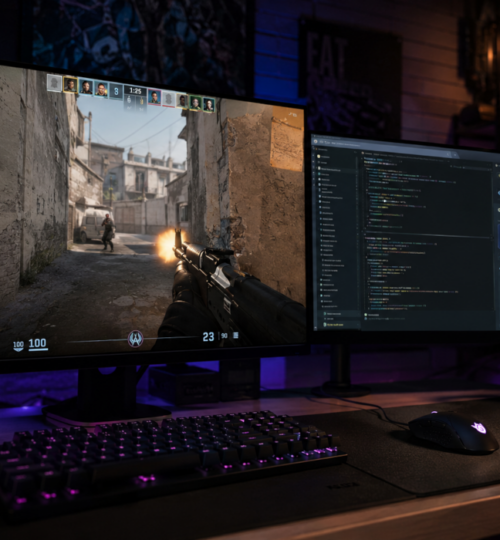
Every competitive gamer knows the feeling. You saw the enemy first. You clicked first. You swear your crosshair was on target. Then the killcam tells a different story.
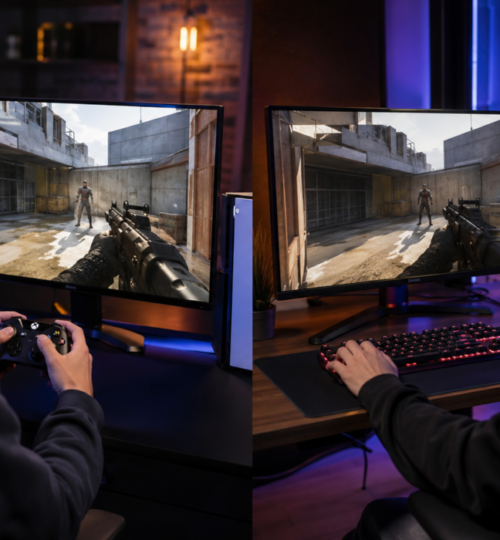
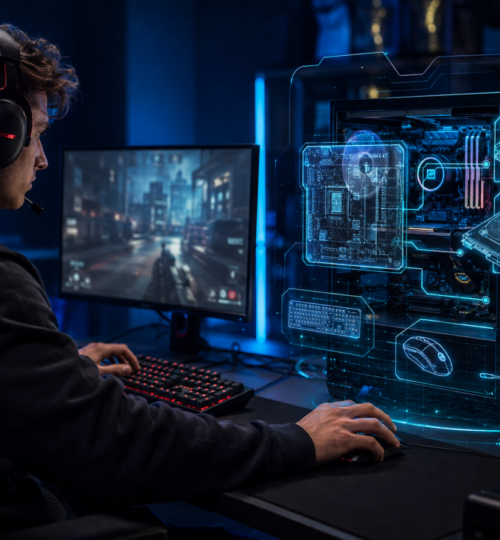
The modern gaming setup has become more than a tool. It is part workstation, part entertainment center, part identity piece.
For years, PC gamers treated the power supply as the boring box at the bottom of the case.
Console streaming used to feel like a strange technical side quest.
For a franchise that lives and dies by the rhythm of its seasons, Call of Duty: Black Ops 7 Season 3 is not a small maintenance update.
A lot has happened since the last blog post, so I want to start by revisiting a few subjects we brought up in recent blog posts…
For years, mobile gaming was treated by some traditional players as the casual corner of the industry.
For PC gamers, the graphics card has always been the heart of the machine.
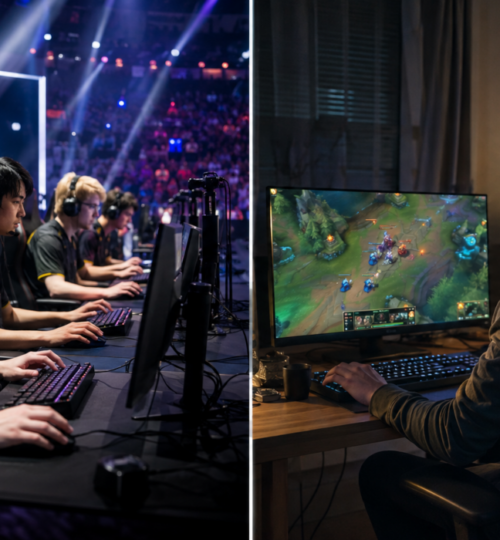
There are esports titles that thrive on strategy, team coordination, hero picks, utility usage, economy management, aim duels, and patch mastery.
A major turning point for Diablo 4. Season 13 is not just another seasonal reset.
For a long time, split-screen felt like a relic from another gaming age.
For older competitive gaming communities, matchmaking used to feel more visible. You joined a server. You recognized names. You knew who the pub stompers were, who the ladder teams were, and who was probably running strats in voice chat. If you wanted a structured match, you signed up for a …
Every major era of PC gaming has been shaped by a hardware shift. The jump from software rendering to dedicated 3D accelerators changed what games could look like.
For years, the gaming industry has pushed forward under a simple assumption: players will keep paying.