How Strategic Windowing Is Stretching the Lifespan of Modern Games
Game releases used to feel cleaner. A title launched, players judged it, patches followed, and the community either stayed or moved on.
Game development trends.
Game releases used to feel cleaner. A title launched, players judged it, patches followed, and the community either stayed or moved on.
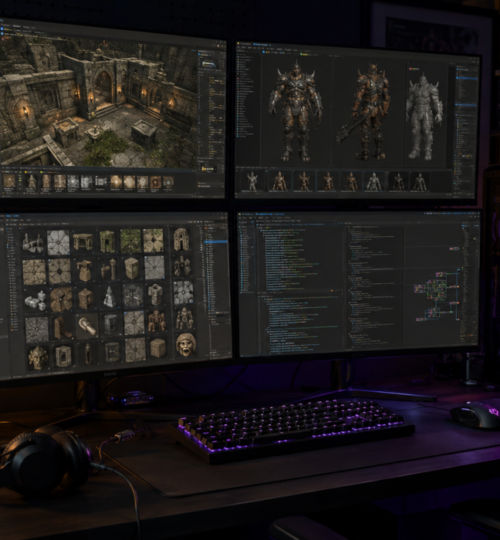
Downloadable content can bring players back. Mods can keep them there for years. That is the difference most publishers still underestimate.
Modern gaming has changed the way communities form, compete, and survive.
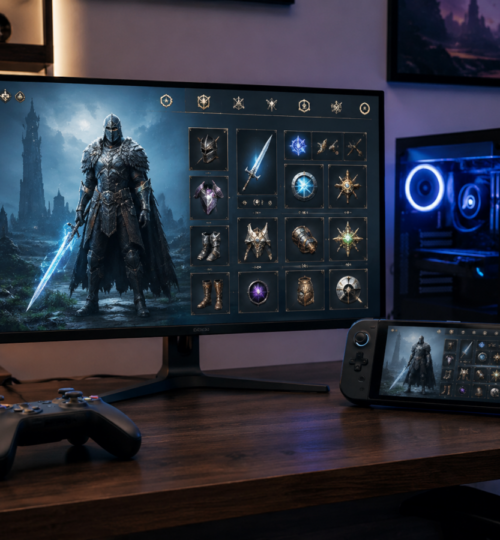
Cross-progression has become one of those features players now notice most when it is missing.
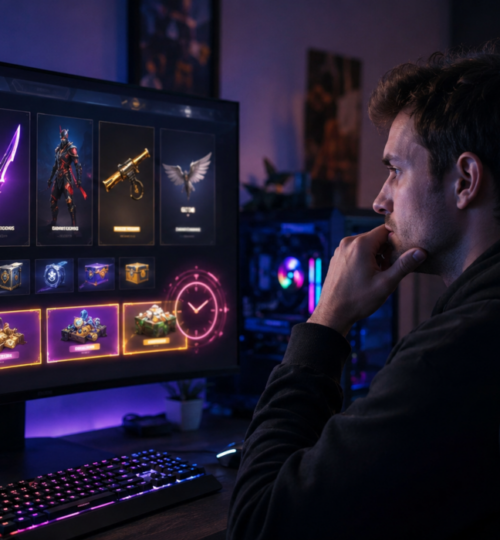
Every great multiplayer game understands one thing: players do not simply want rewards. They want rewards that feel earned.
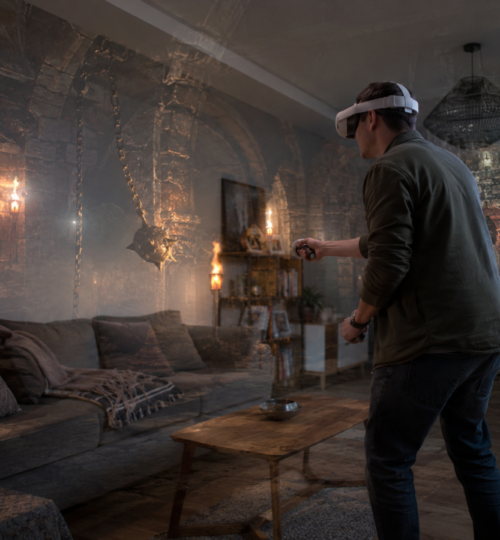
The Next Arena Might Be Your Own Floor Plan. For decades, gaming has been trying to make virtual spaces feel more physical.
For years, browser-based multiplayer had a reputation problem. To many competitive players, “browser game” meant simple graphics, slow input, limited matchmaking, and experiences built more for lunch breaks than serious competition.
The best multiplayer communities have always known something that the wider entertainment world took years to admit: games are not just games anymore.
For a certain generation of gamers, Saturday mornings were sacred. Before esports arenas, before ranked ladders, before patch notes dictated the rhythm of play, there was a simpler ritual.
Virtual animals are a quiet feature that became a core experience. Massively multiplayer online games have evolved far beyond simple character progression and combat systems.
For years, Linux gaming lived in a strange space between passion and practicality.
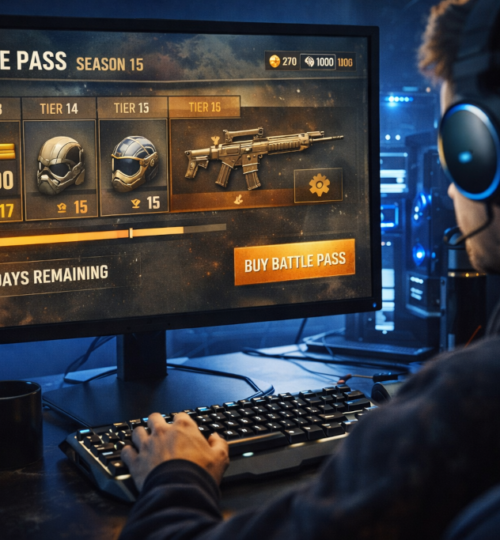
For nearly a decade, the battle pass has been one of the most dominant monetization systems in the video game industry.
When a blockbuster video game launches and immediately dominates sales charts, most players assume the development team behind it is secure.
For more than a decade, the gaming industry seemed locked in an arms race. Budgets ballooned. Marketing campaigns rivaled Hollywood.
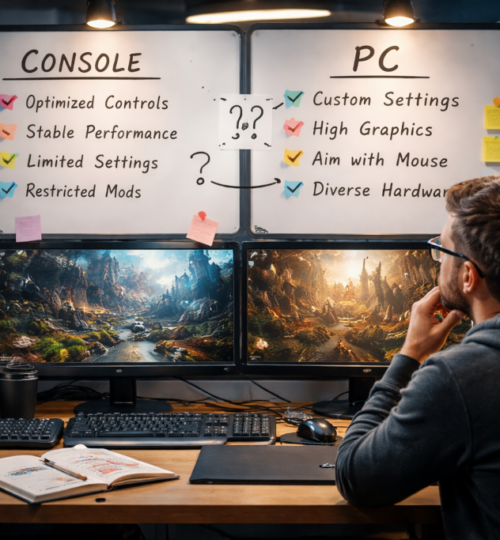
For decades, PC and console gaming followed largely separate paths. Consoles offered fixed hardware, standardized performance, and simplicity.